
Leadership Turmoil at U.Va. Health: Two Senior Leaders Leave Amid Turbulent Times
By Ford McCracken | July 2025
Unannounced Departures Shake U.Va. Health
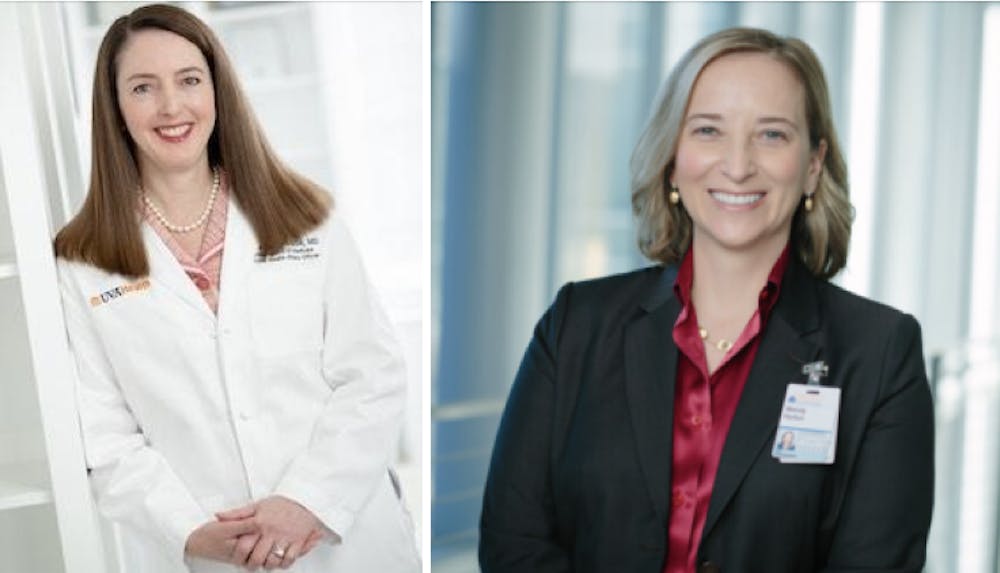
The University of Virginia Health system is facing a period of uncertainty after two of its top leaders announced their departures, both taking on prominent roles at leading academic health centers elsewhere. Melina Kibbe, the dean of the School of Medicine and chief health affairs officer, will be heading to Texas as the next president of the UT Health Science Center at Houston, while Wendy Horton, CEO of University Medical Center since 2020, is slated to join the executive team at UCSF Health in California. Notably, these career moves came with minimal public acknowledgment from either U.Va. Health or the University itself, fueling speculation and concern among faculty, staff, and the local community.
Background: A System Under Scrutiny
The exits follow a tumultuous year within U.Va. Health marked by allegations of a toxic “culture of fear and retaliation” at the highest administrative levels. In September 2024, a remarkable 128 faculty members from the U.Va. Physicians Group delivered a formal letter of no confidence in Kibbe and the former health system CEO, Craig Kent, to the University’s Board of Visitors, demanding leadership changes. The letter expressed widespread dissatisfaction with what faculty described as communication failures, disregard for staff input, and policies that they believed undermined academic freedom and morale.
In response, the Board of Visitors retained outside counsel from Williams and Connolly to independently investigate these claims. The review, completed in December 2024, was presented to the Board but its findings have not been made public, with the University citing attorney-client privilege and personnel confidentiality. Shortly after the investigation concluded, Craig Kent resigned as CEO in February 2025, capping a turbulent process that left remaining top leaders under heightened scrutiny.
Major Leadership Gaps at a Critical Moment
With both Kibbe and Horton departing in quick succession—and with University President Jim Ryan and other key administrators also set to leave or already serving in interim roles—U.Va. Health is poised to begin the 2025-2026 academic year led primarily by interim executives. Dr. Mitchell Rosner, appointed as Interim CEO of U.Va. Health, emphasized the institution’s commitment to a deliberate transition and the continuance of its ambitious 10-year strategic plan.
“During her tenure as dean of the University of Virginia School of Medicine and chief health affairs officer for U.Va. Health, Dr. Melina R. Kibbe has played a vital role in crafting and advancing U.Va. Health’s 10-year strategic plan, which seeks to expand U.Va. Health’s biomedical research enterprise and make U.Va. the nation’s top public academic health system,” Rosner noted in a statement.
The recent departures, however, raise difficult questions about continuity and morale for a health system that cares for millions of Virginians and is a key economic engine for the region. U.Va. Health employs over 13,000 people and boasts annual revenues exceeding $2.4 billion, according to recent university figures. Its ambitious plans to expand research, clinical care, and patient services now hang in the balance as the institution searches for permanent, stable leadership.
Wider Academic and Healthcare Trends
This leadership shake-up at U.Va. Health reflects larger trends among academic medical centers nationwide, many of which are facing pressure to adapt to changing financial realities, heightened scrutiny of leadership, and increasing calls for cultural transformation within the workplace. In recent years, similar no-confidence votes, leadership resignations, and calls for transparency have occurred at medical centers from Stanford to Johns Hopkins, often linked to complex questions around governance, inclusion, and the pressures of pandemic-era medicine.
Furthermore, the competition for top executive talent in academic medicine is intensifying. Major public health systems are looking for leaders with proven research, clinical, and administrative achievements—and candidates like Kibbe and Horton are in high demand. Melina Kibbe, for example, is a prominent vascular surgeon and highly cited researcher, and her new role at UTHealth Houston reflects both her reputation and the national stakes involved in these appointments.
Community Impact and Next Steps
The sudden wave of interim leadership has set the stage for a pivotal period at U.Va. Health. Faculty and staff anxieties continue, especially with the findings of the external review kept confidential. Several faculty groups have called for greater transparency and involvement in the selection of future leaders. Student groups are also mobilizing, passing resolutions to ensure they have a voice in future presidential and dean searches—a response echoed at other top universities seeking to rebuild confidence in institutional processes.
For patients and the broader Charlottesville community, the stakes are high. U.Va. Health serves as a critical provider for the region, and continued executive churn can affect policy direction, employee morale, and even patient care. Nationally, studies from the American College of Healthcare Executives show that leadership stability is directly linked to institutional performance, staff retention, and quality of care outcomes.
Looking Forward
U.Va. Health, like many of its peer institutions, now faces the dual challenge of managing ongoing operations while conducting high-profile executive searches for multiple critical posts. As of this summer, interim personnel are serving as university president, provost, U.Va. Health CEO, University Medical Center CEO, and dean of the medical school. The university’s next moves will be closely watched locally and nationally, as the selection of permanent new leaders is widely seen as pivotal for the system’s future trajectory.
While the loss of Kibbe and Horton represents a major transition, it also offers UVA Health a crucial opportunity for organizational renewal. Many in the UVA community hope the search process will bring forward a new generation of leaders able to heal divisions, fulfill the health system’s mission, and restore confidence at every level.
This story is developing and will be updated as new leadership solutions are announced and further information on the health system’s transition becomes available.


