
More Travel Agencies Turn to AI Tools to Enhance Advisors’ Productivity
By Travel Weekly Staff |
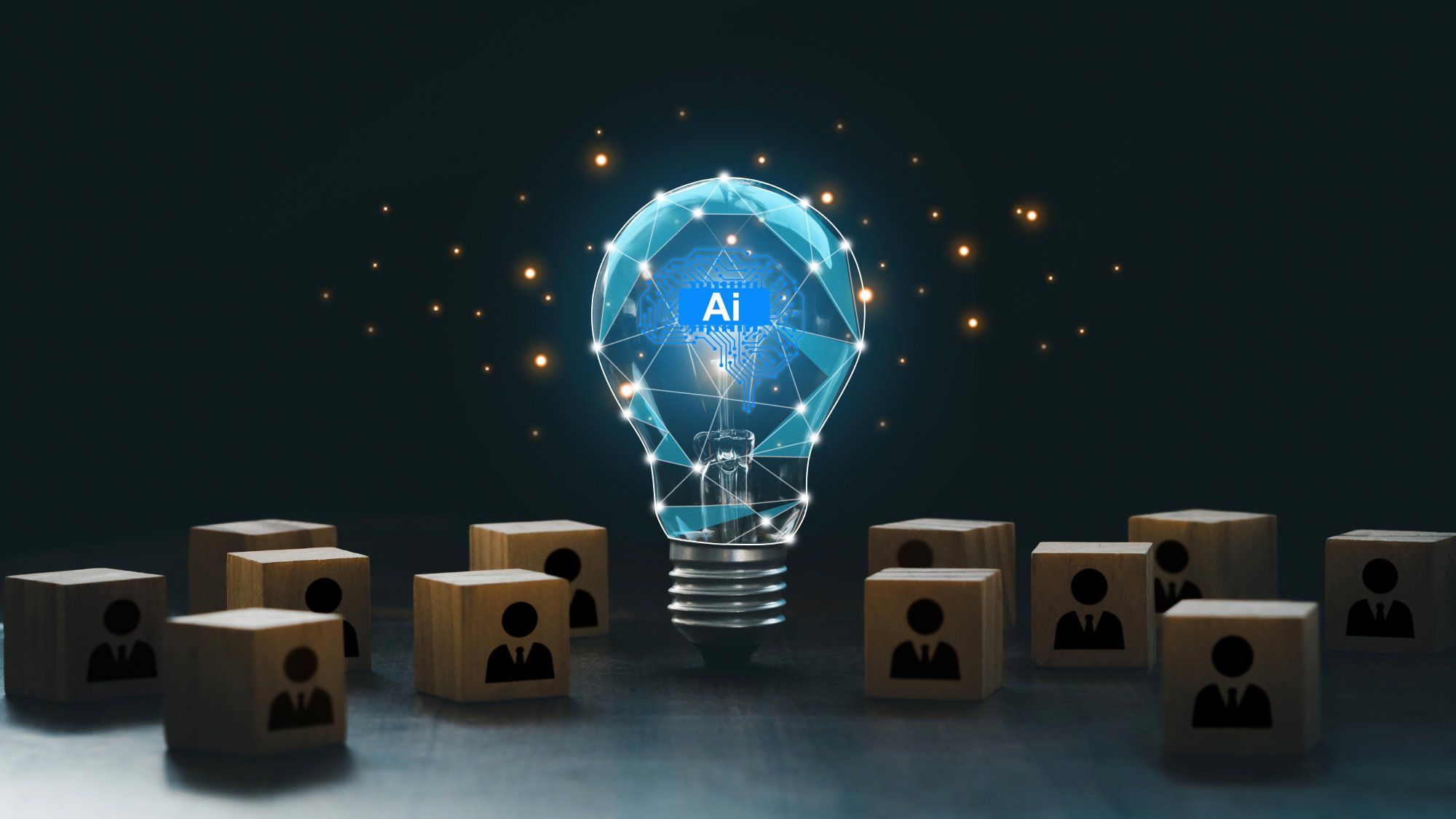
In a rapidly evolving travel landscape, more travel agencies are investing in artificial intelligence (AI) tools to boost their advisors’ productivity and enhance the overall client experience. This shift marks a significant transformation in how travel professionals operate, streamlining operations and ensuring that advisors can focus on high-value tasks like trip planning, destination expertise, and personalized service.
The Digital Disruption: AI Steps Into Travel Advisory
Historically, travel advisors have spent much of their time managing repetitive administrative tasks—from itinerary creation and flight tracking to responding to generic client inquiries. AI-driven technology, however, is automating many of these functions. Automation tools powered by AI can now handle everything from data entry and invoicing to travel alerts, appointment scheduling, and dynamic pricing research, freeing up valuable time for human advisors.
2024 data from Phocuswright and recent reports indicate that over 45% of mid- to large-size agencies have introduced some form of AI-powered tool into their workflows, a number expected to surpass 60% by 2026.
Empowering Travel Advisors: Where AI Fits In
- Automated Client Communications: Chatbots, powered by large language models, can swiftly answer basic customer service questions, send confirmations, and relay updates, available 24/7.
- Dynamic Itinerary Planning: Systems like Amadeus’ AI assistant and Sabre’s Red360 platform now provide advisors with AI-generated travel suggestions, destination guides, and optimized itineraries based on client preferences.
- Real-time Pricing & Fare Tracking: AI algorithms monitor thousands of airfares and hotel prices, alerting advisors (and clients) to optimal booking windows or flash deals.
- Fraud Detection & Risk Management: AI helps agencies proactively identify fraudulent activity or booking anomalies, enhancing security for both agencies and travelers.
- Personalization Engines: Leveraging AI analytics, agencies can analyze client preferences, past bookings, and feedback to suggest tailor-made travel experiences.
“AI has empowered us to become far more efficient,” says Linda Brousseau, technology lead at a U.S.-based Virtuoso member travel agency. “We spend less time on data entry and more time discussing unique local experiences and tackling complex itineraries for our clients.”
Industry-Wide Adoption: Leading Players and Solutions
Several travel technology platforms now dominate the space. Companies like Travelport, Amadeus, and Sabre have rapidly rolled out AI-based modules in their agency platforms, enabling everything from predictive analytics to automated invoicing. Start-ups such as Brava and TripStax are gaining traction for offering niche, AI-driven solutions tailored to independent and boutique agencies.
ALG Vacations (a leading U.S. travel wholesaler) recently partnered with an AI platform, enabling travel advisors to instantly generate destination proposals, manage bookings, and provide real-time responses to customer queries. The AI also produces marketing content, freeing up agents to focus on upselling, customer education, and high-level service.
Virtuoso, the global luxury travel network, rolled out its own AI-powered recommendation engine in 2024, allowing advisors to curate highly personalized journeys in a fraction of the time previously required. “It’s an AI-driven support tool, not a replacement for the human touch that our clients value,” says a Virtuoso spokesperson.
The Productivity Payoff
Preliminary industry surveys and recent Travel Weekly research show that agencies using AI tools report:
- 30-50% reduction in administrative work per advisor
- A 20% gain in client response times
- Greater client satisfaction, owing to improved service personalization and quicker booking changes
- Increased advisor capacity, allowing individuals to handle up to 25% more clients per year
For many small and mid-size agencies, adopting AI is also addressing the ongoing labor shortages seen in the travel sector since the pandemic. Rather than replacing staff, AI is viewed as an enablement tool, supporting teams in a market where experienced advisors are in high demand.
Challenges: Training, Integration, and Maintaining Human Value
Despite the benefits, agencies face challenges deploying AI. Integrating new tools into legacy systems can be costly or time-consuming. Training is another hurdle—many advisors, especially those who built their careers pre-digital boom, are having to learn new software and adapt to changing workflows. Some fear potential depersonalization, with clients missing out on the nuance and empathy only a human advisor can offer.
Nevertheless, leading agencies are positioning AI not as a replacement, but as a complement. The focus is on delegating rote processes to machines while elevating the importance of empathy, destination knowledge, and creative problem-solving among advisors.
Looking Forward: What Does the AI Journey Look Like?
Industry experts forecast accelerated adoption of AI in travel through 2026 and beyond. As generative AI models (like OpenAI’s GPT series and Google’s Gemini) become more capable, integrations with customer relationship management (CRM) systems, voice assistants, and even holographic tech are poised to further redefine the advisor’s role.
Meanwhile, travel agencies seeking a competitive edge are urged to invest in user-friendly platforms, upskill their workforces, and maintain the “human touch” that AI cannot (and should not) replicate.
“The future of travel advisory will be high-tech and high-touch. Agencies that balance both will shape the next generation of travel excellence,” says Mark O’Brien, senior market analyst at Phocuswright.
Conclusion
The adoption of AI tools by travel agencies represents a pivotal moment in the sector’s post-pandemic transformation. As the global travel market returns to growth, automation and intelligent systems will be key to enabling travel advisors to deliver faster, more personalized, and higher-value service. The message from industry leaders is clear: AI is the new co-pilot for travel’s human experts, not a substitute. Agencies embracing this dynamic are likely to be the big winners in the years ahead.


