
Morning Business Report: Travel, Tariffs, and Shifting Consumer Habits
Author: Keenan Gibson | Date: June 2024
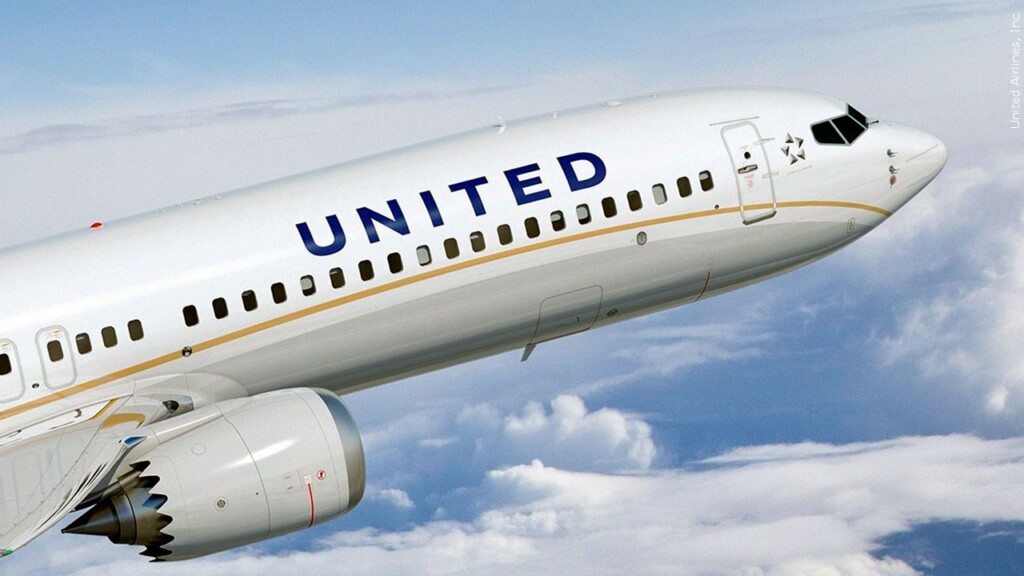
Airline Industry Adjusts to Shifting Consumer Behavior
United Airlines, one of the largest carriers in the United States, has lowered its profit expectations for the remainder of 2024. The adjustment comes as airlines contend with reduced consumer spending, largely due to persistent inflation that has driven up costs for everyday necessities. This trend is evident across the travel sector as U.S. consumers weigh discretionary spending, directly impacting demand for flights and vacation travel.
“Consumers are becoming more deliberate about travel expenditures,” said Scott Kirby, CEO of United Airlines, during a recent investor call. Industry analysts note that rising ticket prices, higher hotel rates, and inflated costs for travel-related goods have contributed to a more cautious approach among travelers. According to the International Air Transport Association (IATA), global air travel demand remains robust compared to pre-pandemic levels, but growth is moderating, particularly within North America as economic pressures mount.
Nonetheless, United remains optimistic about long-term demand, pointing to a more stable international outlook and strong business travel recovery in select markets. The airline continues to expand its international routes and invest in customer experience enhancements, aiming to capture resilient demand among premium and corporate travelers.
Tariffs Raise Costs for U.S. Manufacturers and Consumers
Tariffs on imported raw materials are once again at the forefront of business challenges. Alcoa, a major aluminum producer, recently reported that tariffs imposed during the Trump administration and continued under President Biden have led to an additional $115 million in expenses this year. This amount is six times higher than costs reported in the same period a year before, underscoring the steep burden tariffs place on U.S. manufacturers dependent on global supply chains.
The aluminum sector is not alone. Manufacturers across industries, from automotives to packaged goods, face similar pressures. Alcoa—and companies reliant on aluminum for packaging, such as beverage giants Coca-Cola and Anheuser-Busch—have warned that these costs will likely trickle down to consumers, particularly in products like canned food and drinks. According to the Beer Institute, aluminum tariffs have contributed at least $1.7 billion in additional costs to the U.S. beer industry since 2018, resulting in higher shelf prices for consumers.
As Washington debates future trade policy and faces pressure to revisit tariffs with key economic partners like China and the European Union, businesses are closely monitoring potential changes that could recalibrate costs and market dynamics across the board.
Wall Street Reacts to Policy Uncertainty
Despite volatility fueled by policy rumors, including reports that President Trump considered firing the Federal Reserve Chairman—a claim the administration has since denied—U.S. stock markets closed higher across the board. The resilience underscores the market’s current focus on corporate earnings and broader economic indicators, even as geopolitical and trade policy uncertainties loom large.
The S&P 500, NASDAQ, and Dow Jones Industrial Average all posted gains this week, buoyed by better-than-expected quarterly earnings from large-cap companies and continued growth in sectors like technology and healthcare. Analysts caution that markets remain sensitive to headlines about interest rates, inflation trajectories, and trade negotiations, all of which can sway investor sentiment in a matter of hours.
Music Industry Strums Up Profits Amid Tariff Turmoil
While tariffs rattle many sectors, the music industry has found itself on stable ground. The summer concert season is in full swing across U.S. cities, with live events emerging as a significant driver of industry revenues. David Schulhof, founder and CEO of the Music Industry ETF, notes that music remains a sound investment because it is largely unaffected by tariffs and operates in distinct global markets.
Major industry players such as Spotify, Warner Music Group, and Live Nation Entertainment have reported robust ticket sales and streaming revenue growth in 2024. According to the Recording Industry Association of America (RIAA), U.S. recorded music revenues grew by 7% to reach $17.5 billion in 2023, with live entertainment rebounding post-pandemic and digital platforms expanding their reach worldwide. Investment funds dedicated to music company equities continue to attract capital even amid broader market turbulence.
American Consumers Shift to DIY Repairs
In response to higher living costs and economic uncertainty, more Americans are choosing to repair rather than replace. A 2024 survey by Talker Research for Lemi Shine reveals that 80% of U.S. adults have increased do-it-yourself (DIY) and home repair activities in the past year to retain greater financial control. Among respondents who completed repairs in the last 12 months, 40% worked on clothing or textiles, 38% refreshed home décor or furniture, and 37% tackled plumbing issues.
This repair-and-reuse trend is reshaping the retail and home improvement sectors. National retailers such as Home Depot and Lowe’s are seeing continued demand for repair supplies, while local repair businesses report a steady influx of customers with broken electronics and household appliances. The shift also resonates with growing environmental awareness, as consumers seek to reduce waste and extend the lifecycle of products.
Looking Ahead: Navigating a Complex Economic Landscape
As 2024 progresses, the interplay between travel demand, manufacturing costs, and consumer spending will remain top of mind for businesses and policymakers. Airlines like United are recalibrating strategies to align with shifting consumer priorities, while manufacturers and retailers await further clarity on trade tariffs and domestic policy moves. Consumers, meanwhile, demonstrate remarkable adaptability—refining travel plans, seeking cost savings through repairs, and supporting sectors that deliver enduring value, such as music and live entertainment.
The evolving business landscape underscores the importance of flexibility, efficiency, and innovation as America steers through inflation, trade uncertainties, and ever-shifting consumer habits.


