
Musk Hails $16.5bn Samsung Deal to Supply Tesla with AI Chips
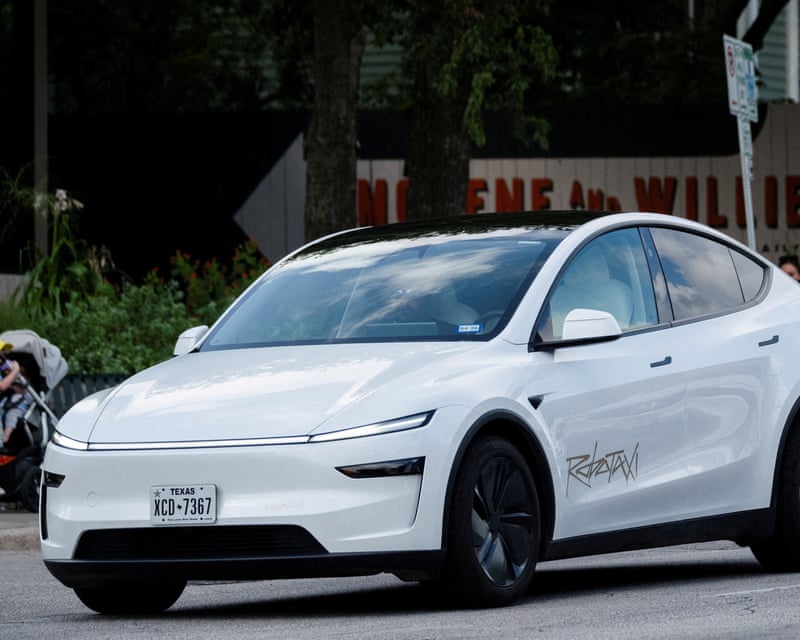
Tesla, Inc. has secured a groundbreaking $16.5 billion deal with Samsung Electronics to provide advanced artificial intelligence (AI) chips, marking a significant leap in the technological arms race driving the development of autonomous vehicles. The agreement, announced by CEO Elon Musk on July 28, 2025, positions Tesla to accelerate its roadmap for self-driving cars and robotaxis, and further cements Samsung’s role as a global leader in cutting-edge semiconductor technology.
A Pivotal Partnership for the Future of Mobility
The massive multi-year partnership will see Samsung design, manufacture, and supply custom AI chips powering Tesla’s Full Self-Driving (FSD) computer, starting with vehicles to be built at Tesla’s Austin and Nevada gigafactories. According to industry analysts, these chips are expected to deliver significant advances in processing power, energy efficiency, and real-time data handling—key to enabling full Level 4 and Level 5 autonomous driving features.
“This deal reflects Tesla’s deep commitment to vertical integration and to pushing the boundaries of what is possible in transport AI,” Musk wrote on X (formerly Twitter) following the announcement. “Samsung has demonstrated world-class prowess in both hardware innovation and reliability—this is just the beginning.”
Global Chip Race Intensifies
The timing of the Tesla-Samsung partnership comes amid an industry-wide scramble to secure high-performance AI chips, as automakers worldwide jostle for position in the race toward autonomous vehicles. The global automotive chip market is projected to reach over $80 billion by 2030, according to market intelligence firm McKinsey & Company, with AI-driven processing requirements becoming increasingly critical for next-generation vehicles.
Until now, Tesla has primarily relied on Nvidia and its own internally developed silicon for its FSD platform. However, the surging demand for AI chips, combined with ongoing supply chain volatility since the COVID pandemic, has compelled carmakers and tech giants alike to forge new partnerships and seek greater control over their hardware stacks.
What the Chips Do: Enabling Full Self-Driving
At the heart of this deal are Samsung’s 3-nanometer system-on-chips, designed specifically to meet Tesla’s rigorous performance and safety needs. These AI chips will enable Tesla vehicles to process massive amounts of sensor data, interpret complex driving situations, and make split-second decisions without driver input. Tesla currently boasts fleet data from more than 2.5 million vehicles, which is leveraged by its neural networks to continuously refine and improve self-driving performance.
Recent regulatory filings reveal that Tesla aims to launch a fully autonomous robotaxi service in select US cities by 2026, leveraging this new AI hardware to deliver improved reliability and safer passenger experiences. Moreover, the upgrade is expected to trickle down to Tesla’s consumer vehicles, bringing advanced driver-assist and self-parking functionality to millions of customers worldwide.
Samsung’s Strategic Win
For Samsung, the agreement is a major coup in the AI semiconductor space, a field currently dominated by suppliers such as TSMC (Taiwan Semiconductor Manufacturing Company) and Nvidia. Executives at Samsung outlined their ambition to become one of the top three global providers of AI chips by the end of this decade, investing over $70 billion in research, talent, and new facilities over the past five years.
Dr. Kye Hyun Kyung, President and Head of Samsung’s Device Solutions Division, commented in a statement: “Partnering with Tesla, a pioneer in automotive AI, is testament to our technical leadership. This collaboration will set new benchmarks for AI-powered transportation and open the door for broader applications of our chips across the mobility sector.”
Competitive and Regulatory Context
The Tesla-Samsung deal also carries significant geopolitical and trade implications. With worldwide demand for advanced chips soaring, regulatory pressure is mounting on both companies to localize elements of the supply chain. Recent US CHIPS Act incentives and ongoing efforts to secure domestic chip production underpin this deal, with Tesla emphasizing the importance of North American supply continuity in its public filings.
The collaboration is also seen as part of a shifting landscape for the AI hardware ecosystem. Traditional semiconductor heavyweights like Intel and Qualcomm are facing new challenges from fast-moving, data-centric tech companies and from geopolitical uncertainties—especially as US-China trade tensions and export controls impact the global chip market.
Outlook: What’s Next for Tesla and Samsung?
For Tesla, the partnership accelerates its mission to deliver fully autonomous vehicles at scale, as well as specialized autonomous platforms such as robotaxis and logistics fleets. July’s shareholder meeting highlighted that Tesla expects to spend over $3 billion per year on AI compute and hardware through 2028, underscoring the centrality of AI in its growth plans. The company is also working with regulatory agencies in North America, Europe, and Asia to certify the new hardware for use in public driverless services.
For Samsung, success with Tesla could pave the way for similar deals with other global automakers and technology conglomerates, consolidating its position as a primary supplier of high-performance AI chips not just for vehicles, but also for connected infrastructure, smart cities, and IoT ecosystems.
Industry Reactions
Industry reaction to the announcement has been overwhelmingly positive. Analysts at Morgan Stanley described the deal as “visionary,” saying it “vaults Tesla into an even stronger leadership role in automotive AI and validates Samsung’s world-class chipmaking expertise.” Automotive competitors including General Motors, Volkswagen, and BYD are now reportedly stepping up their own investments in custom chips and AI partnerships to keep pace.
Conclusion
The $16.5 billion Tesla-Samsung partnership is likely to set new standards for both the automotive and technology sectors. By combining Tesla’s vision for an autonomous future with Samsung’s state-of-the-art AI hardware, the collaboration is poised not only to revolutionize the way people move, but to shape the next era of intelligent, connected vehicles worldwide.
As the global chip race accelerates, this deal highlights the critical nature of strategic supply-chain alliances, and sets the tone for what could be a transformative decade ahead in artificial intelligence and transportation technology.


