
Musk, Trump, and Congress Collide: The EV Industry Faces a Defining Moment in U.S. Business History
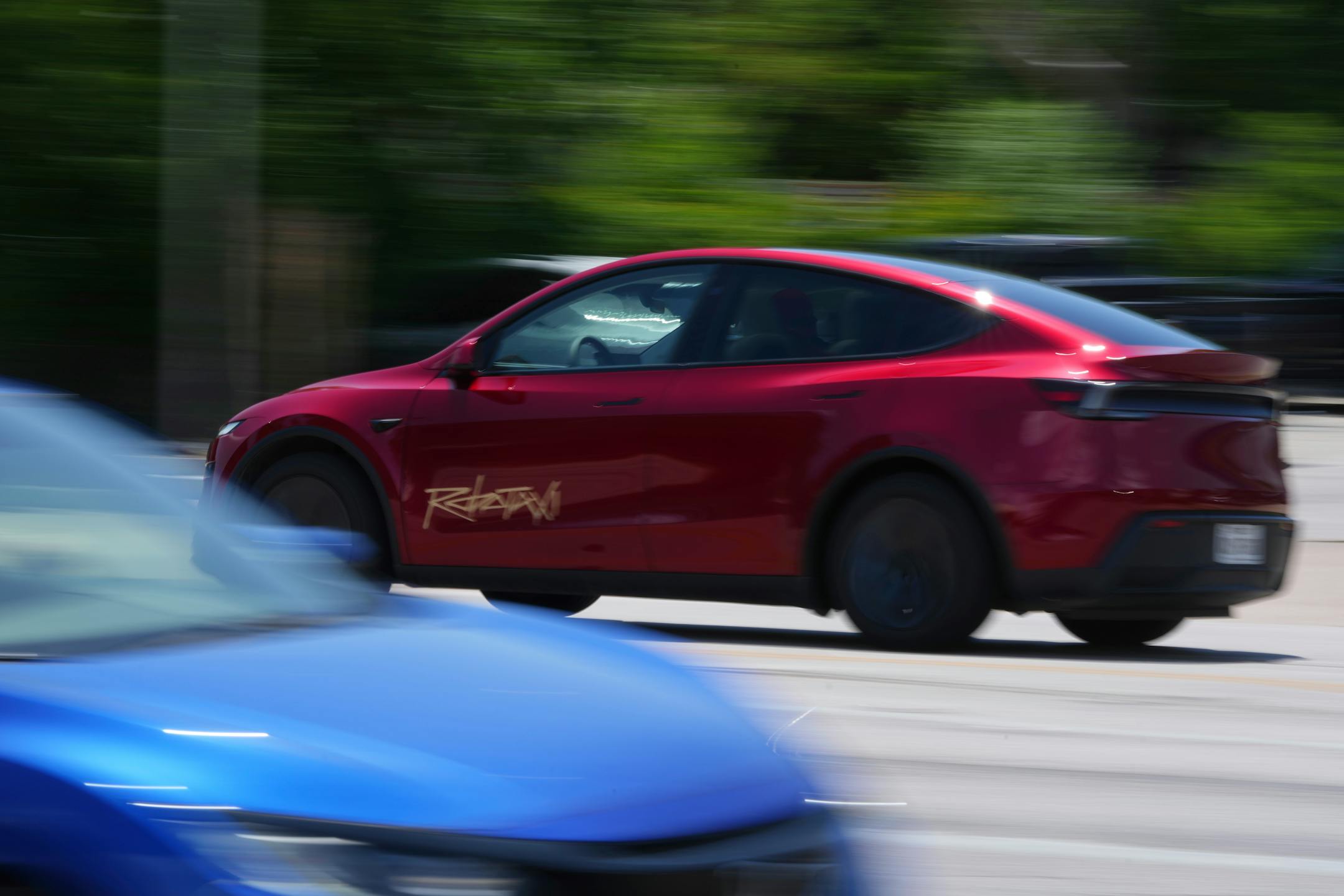
The American electric vehicle (EV) industry stands on the edge of transformation—and possibly turbulence. In a whirlwind of political maneuvering, the U.S. Congress, propelled by Republican leadership and the influence of former President Donald Trump, has ended the federal government’s longstanding tax incentives for purchasing electric vehicles. The decision, part of a sweeping legislative package dubbed the “One Big Beautiful Bill,” struck just as Elon Musk’s Tesla finally launched its much-anticipated driverless Robotaxi service in Austin, Texas.
This convergence of business innovation and political upheaval has sent shockwaves across the auto industry, forcing stakeholders to reassess America’s position as the vanguard of automotive technology. With global competition intensifying—especially from Chinese automakers such as BYD and tech-driven ventures from companies like Xiaomi—the stakes for the U.S. could not be higher.
Policy Reversal: Ending Over a Decade of Support
Since 2008, federal tax credits had played a pivotal role in encouraging American consumers to purchase EVs. These incentives, offering up to $7,500 per new electric vehicle, significantly reduced the cost of adoption and drove innovation at companies like Tesla, General Motors, and newly emergent U.S. startups.
The new legislation—signed amid headline-grabbing criticism from Musk and a broader cost-cutting agenda managed by the controversial Department of Government Efficiency (DOGE)—marks a historic change. Experts warn that removing these incentives could slow consumer adoption of EVs at a critical moment for the domestic industry.
Elon Musk, who has championed both technological innovation and governmental efficiency, publicly opposed the end of subsidies, labeling Trump’s tax and spending bill “utterly insane.” Still, Musk has acknowledged Tesla’s current financial resilience: the company boasts over $37 billion in cash reserves and enjoys some of the industry’s highest operating margins.
China Accelerates: A Challenge to U.S. Dominance
The move comes as the global EV race heats up. China’s automotive sector—led by BYD (Build Your Dreams) and tech companies like Xiaomi—is capturing market share in both China and Europe at a rapid pace. In 2024, BYD overtook Tesla in sales volume in China, while its aggressive pricing strategy has made EVs more accessible than ever. In some markets, BYD’s models sell for 15–20% less than comparable Teslas, a gap many analysts attribute to significant government subsidies and strategic industrial policies.
Xiaomi, best known internationally as a smartphone giant, has successfully entered the Chinese EV arena, releasing an all-electric SUV that undercuts Tesla’s Model Y on price. Meanwhile, Toyota is partnering with Chinese firms to build affordable electric cars for local markets, signaling that EV innovations and mass adoption will increasingly be led from Asia if U.S. policies continue to falter.
“China is seizing the transition from gas engines to electric vehicles as a once-in-a-century chance to become the world’s top automaker,” comments Gene Munster, Managing Partner at Deepwater Asset Management.
Tariffs: The Double-Edged Sword
While shifting to protectionist policies, the Trump administration has amped up tariffs on foreign-made EVs—targeted primarily at Chinese and European imports—to prevent them from undercutting U.S. manufacturers. The Biden administration had previously kept steep tariffs in place while simultaneously defending EV subsidies and investing in domestic battery production through the Inflation Reduction Act. Now, American consumers and manufacturers face higher prices as both the carrot (incentives) and stick (tariffs) reshape the market.
Industry critics argue that tariffs may insulate legacy U.S. automakers for the short term but do little to counteract the growing technological and cost advantages of foreign rivals. At the same time, ending subsidies without significant investment in domestic supply chains risks ceding leadership in clean energy and advanced manufacturing.
Tesla’s Strategic Pivot Toward Autonomy
Despite political headwinds and growing foreign competition, Tesla is banking on a game-changing leap: true self-driving technology. After years of bold promises and technological setbacks, Tesla debuted its Robotaxi pilot program in Austin, with a handful of driverless vehicles serving a select group of riders. This marks the company’s most ambitious step yet toward mainstream, autonomous mobility.
Yet, while the rollout is limited (confined to prescribed geographies and users), it positions Tesla to compete against autonomous pioneers like Alphabet’s Waymo. According to Munster, “If Tesla can deliver autonomy at a much lower production cost, they could win meaningful market share—potentially leapfrogging other players.”
Notably, Tesla continues to delay the launch of a truly affordable mass-market EV below the current Model 3, missing target dates as competitors race to offer sub-$20,000 electric vehicles in China and beyond.
The Investment Perspective: A Paradoxical Market
Ironically, even as Tesla’s fundamentals face challenges—domestic subsidies disappearing, fierce foreign competition, and controversial leadership—the company’s market valuation remains robust. Investors appear to be pricing in the long-term promise of autonomous mobility and Tesla’s technology moat, viewing the company as more than just an automaker.
Latest data show that Tesla’s stock price remains volatile but resilient, frequently trading at price-to-earnings ratios that dwarf those of traditional carmakers. This disconnect, as Munster notes, reflects confidence not in today’s sales numbers but in Tesla’s potential to rewrite the rules of mobility and transportation.
What’s Next: The Race for Leadership
The U.S. now stands at a tipping point: will it remain the global innovation hub for mobility, or will short-term political aims open the door for new leaders abroad?
- With federal EV incentives gone, industry experts anticipate a slowdown in U.S. EV adoption—potentially giving Chinese firms, with their state-backed cost advantages, more room to expand internationally.
- Tesla and other American innovators must either seize new technological ground (especially in autonomy and software) or face a shrinking share of the next-generation auto market.
- Policy decisions over the next few years—on tariffs, climate investment, and support for emerging technologies—will be critical for maintaining U.S. leadership.
This moment is more than a political or business squabble; it’s a turning point with lasting implications for jobs, technology, climate policy, and the structure of global commerce.
Conclusion
As the automotive world pivots from gasoline to electric and from human-driven to autonomous, the U.S. must decide what kind of leader it wants to be. With Congress’s policy reversal and the launch of Tesla’s Robotaxi, Americans are witnessing a collision of innovation and ideology with far-reaching consequences. Whether the U.S. fortifies its leadership in the green, tech-driven future—or cedes it to more aggressive foreign challengers—will be defined by the choices of this extraordinary moment.


