
OpenAI’s Mega-Deals With Nvidia and AMD Ignite $1 Trillion AI Boom—and Spark Market Scrutiny
By Emily Forgash and Agnee Ghosh | Published October 7, 2025 | Updated 8:05 PM EDT
Unprecedented Investments Fuel AI Expansion
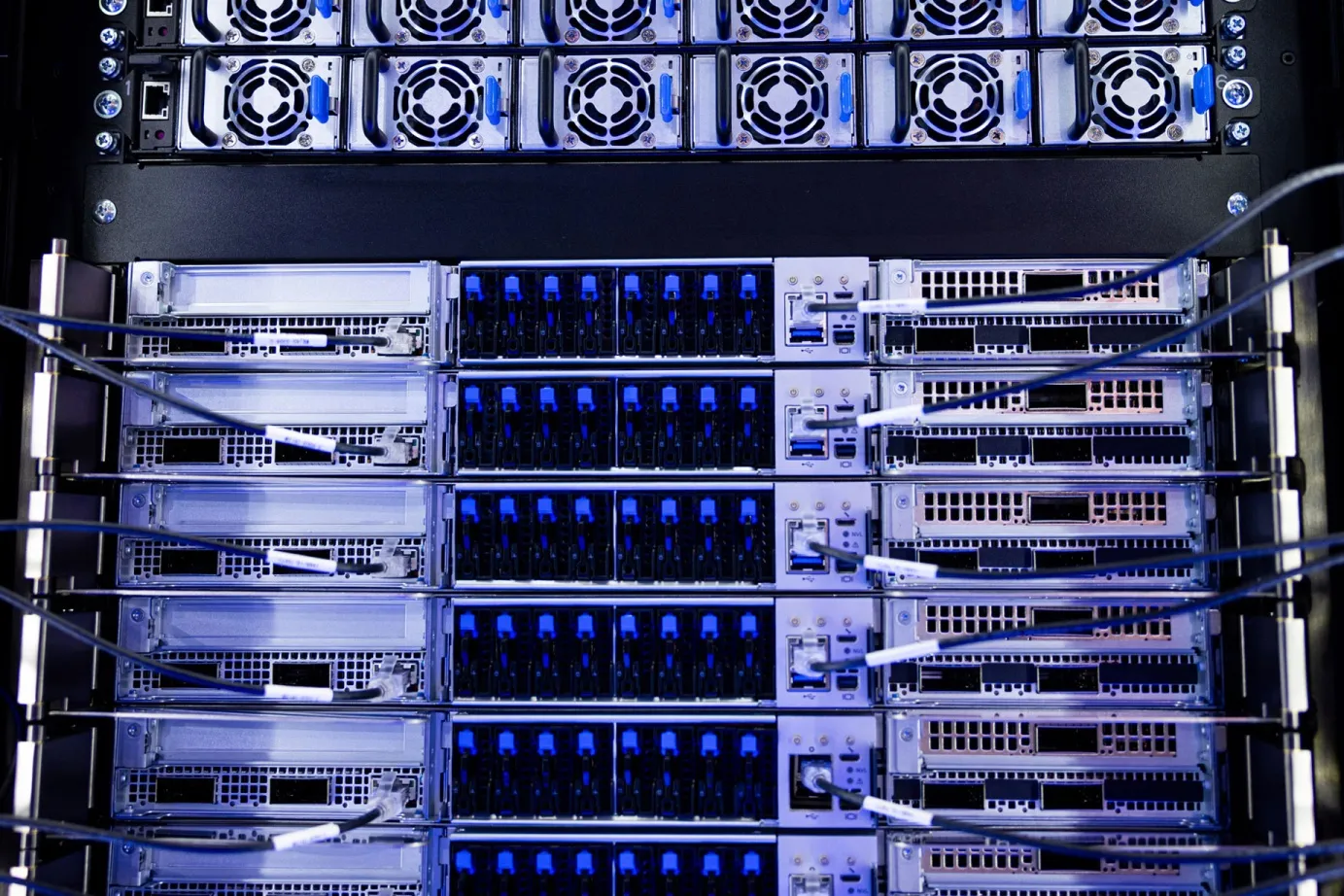
In a striking demonstration of artificial intelligence’s seismic influence on the technology sector, OpenAI has secured up to $100 billion in investments from Nvidia Corp. to build state-of-the-art data centers powered by millions of Nvidia’s most advanced artificial intelligence (AI) chips. The agreement not only dramatically expands OpenAI’s computing capabilities but also raises fresh questions about the evolving relationship between major AI firms and the critical chipmakers on which they rely.
This landmark investment—among the largest in technology history—underscores the escalating demand for high-performance computing as AI models become increasingly sophisticated. Nvidia’s pledge represents a strategic bet both on OpenAI’s meteoric ascent and on the long-term trajectory of AI as a transformative force across industries, from healthcare and finance to entertainment and transportation.
Circular Deals: A New Silicon Valley Paradigm
The Nvidia-OpenAI agreement exemplifies a model some analysts are calling “circular financing”: chipmakers invest in leading AI companies, which, in turn, channel that capital directly back into the chipmakers’ pockets via large-scale hardware purchases. Days after the Nvidia deal, OpenAI inked a parallel partnership with Nvidia’s chief rival, Advanced Micro Devices Inc. (AMD), reportedly worth tens of billions of dollars, cementing its status as one of AMD’s largest shareholders.
These entwined agreements intensify concerns about overlapping financial incentives and market concentration. According to analysts and industry commentators, this cycle could reshape the balance of power in Silicon Valley, locking in dominant players and potentially squeezing start-ups or smaller competitors out of the most lucrative supply chains and innovation pipelines.
AI’s Infrastructure Arms Race
OpenAI’s aggressive buildout comes amid a global AI arms race, with cloud giants like Microsoft, Google, Amazon, and Chinese contenders such as Alibaba and Baidu all pouring vast resources into next-generation data centers. According to Grand View Research, the global AI computing market surpassed $1 trillion in 2024 and is projected to grow at a double-digit annual rate through the decade.
Nvidia’s H100 and newly announced Blackwell GPUs—critical for complex neural networks—have been in unprecedented demand, with months-long order backlogs and several AI developers scaling back product launches due to chip shortages. The AMD partnership gives OpenAI redundancy and a hedge against supply constraints, allowing more flexibility and security in meeting soaring user and customer demand.
Circular Financing: Boon or Bubble Risk?
Supporters of these circular deals argue that the mutual investments foster innovation and align incentives between hardware suppliers and AI innovators. As OpenAI’s CEO Sam Altman noted at a recent tech summit, “We need computing power at a scale that’s never existed before. Partnering closely with our suppliers ensures we can push the frontier of AI—and markets—together.”
But detractors warn that circular financing can distort markets. By securing vast sums for chip purchases through arrangements with the very companies selling those chips, AI firms may encourage overbuilding and inefficiencies—or even stoke the kind of speculative bubble reminiscent of the dot-com era. Morgan Stanley analyst Lee Chen cautioned in a recent report, “This may create unreal demand signals to Wall Street, fueling overvaluations and potentially exaggerating real industry tailwinds.”
Market Impact and Regulatory Questions
The multi-billion dollar agreements ripple far beyond OpenAI and its chip suppliers. Shares of Nvidia and AMD spiked double digits after the deals were announced, and both companies have raised ambitious guidance for fiscal 2026. AI infrastructure investment now rivals or exceeds capital expenditure in global oil and gas projects, and competition for talent and raw materials—including rare earth metals and advanced semiconductors—has reached new heights.
Regulators in the United States, Europe, and China have signaled growing scrutiny of such arrangements. The U.S. Federal Trade Commission (FTC) is reportedly monitoring major technology investments for evidence of anticompetitive behavior or barriers to entry, and Brussels is weighing new rules on fair access to compute resources for smaller players. The Senate AI Safety Caucus is scheduled to hold hearings in early 2026 on the risks and merits of AI infrastructure consolidation.
What’s Next for AI and the Tech Ecosystem?
OpenAI’s capacity expansion will funnel unprecedented amounts of electricity and water into new data centers, intensifying focus on the environmental impact of generative AI at scale. By some estimates, powering the next generation of large language models may consume energy equivalent to a small European country, adding momentum to calls for greener, more efficient chips and sustainable power sourcing.
Meanwhile, as big tech’s AI ambitions soar, venture capital and start-up activity within the sector remain robust but increasingly differentiated. Companies offering edge computing, AI energy optimization, and foundational model customization are drawing fresh investment as the sector seeks to address both the opportunities and risks that rapid scaling entails.
Conclusion
The recent circular deals between OpenAI, Nvidia, and AMD crystallize the fiercely competitive, interconnected, and high-stakes landscape of generative artificial intelligence. As capital, chips, and compute build on one another, the world watches to see whether this cycle produces transformative technological advancement, or proves too concentrated—and potentially fragile—for its own good.


