
Supreme Court Allows Trump Administration’s Sweeping Federal Workforce Cuts to Proceed During Ongoing Legal Battle
Published: July 9, 2025
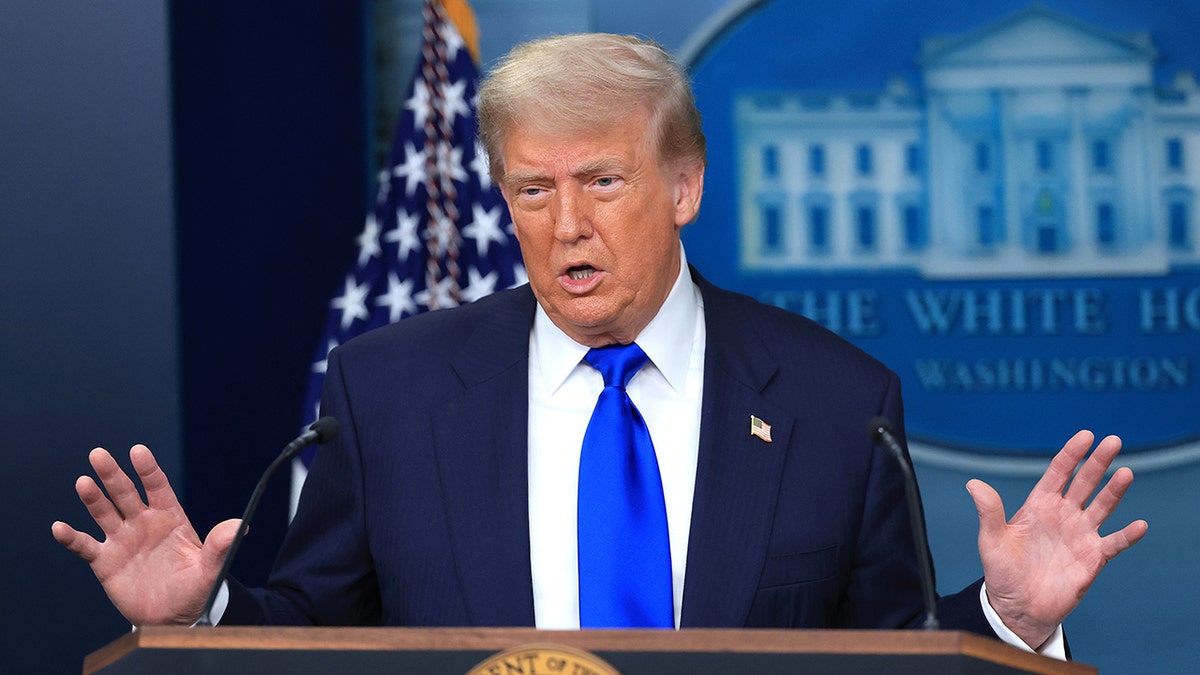
The U.S. Supreme Court, in a landmark 6–3 decision on Tuesday, allowed the Trump administration to proceed, at least temporarily, with large-scale initiatives aimed at reducing the federal workforce. The ruling lifts a previous injunction by a district court, clearing the path for Executive Order No. 14210 to take effect while further judicial review continues in the Ninth Circuit and potentially back before the Supreme Court.
The executive order, announced in February 2025, directs federal agencies to implement broad reductions in force (RIF) and comprehensive reorganization plans. According to administration officials, the moves are part of an effort to “streamline government and eliminate waste.” However, the order has spurred intense debate among policymakers, labor unions, and advocacy groups, with many arguing the president is overreaching executive powers and bypassing Congress in a bid to radically restructure parts of the federal bureaucracy.
Details of the Ruling
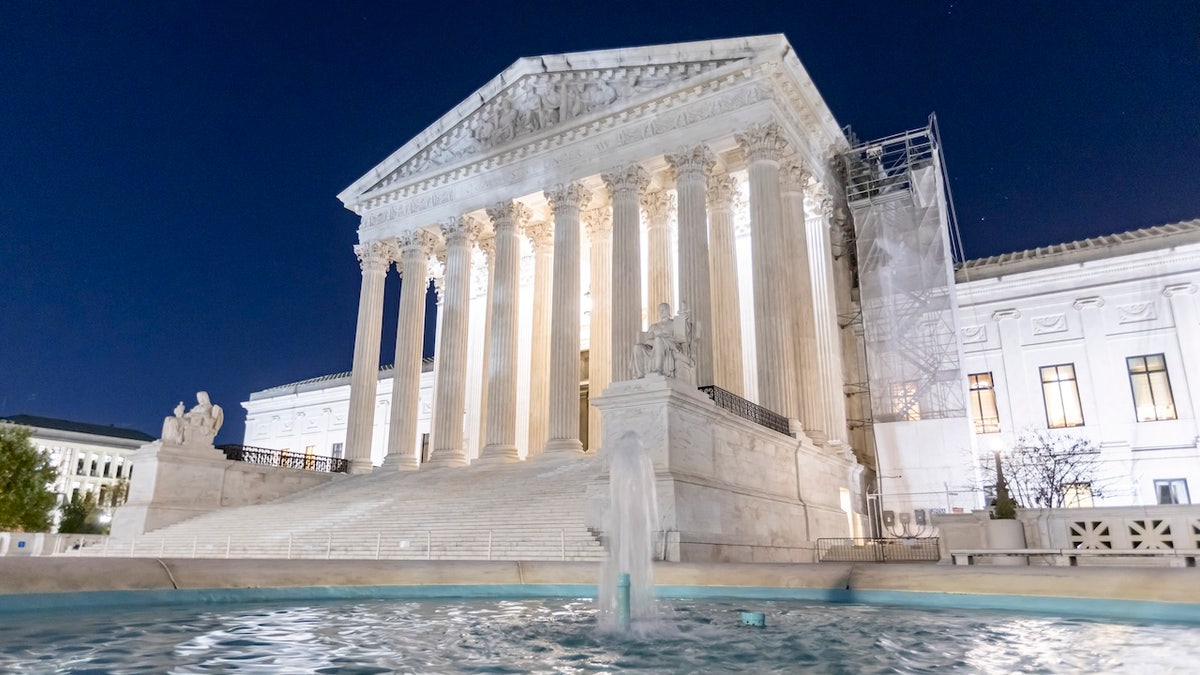
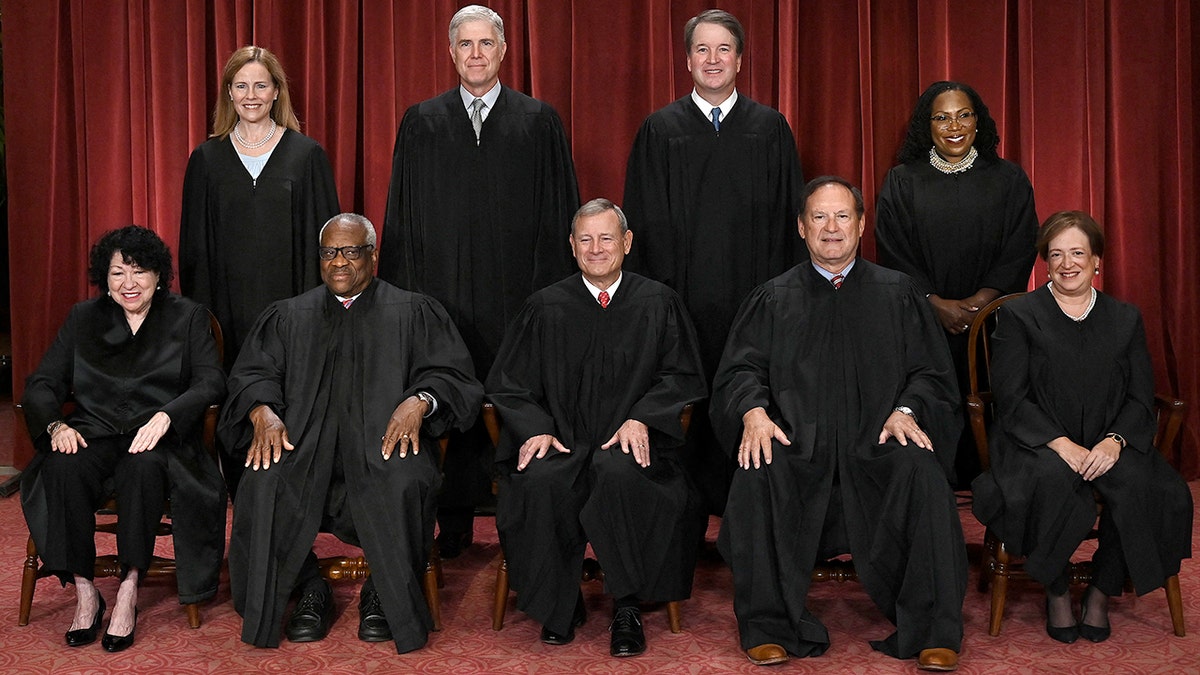
The majority of justices emphasized that their ruling does not address the legality of any specific agency-level cuts but solely concerns the constitutionality of the executive order. “Because the Government is likely to succeed on its argument that the Executive Order and Memorandum are lawful—and because the other factors bearing on whether to grant a stay are satisfied—we grant the application,” the unsigned opinion stated. It further clarified that the actual agency RIF and Reorganization Plans were not being assessed and could become the subject of later litigation.
The dissent, authored by Justice Ketanji Brown Jackson, warned that “this Court sees fit to step in now and release the President’s wrecking ball at the outset of this litigation.” She argued that the executive action risks usurping Congressional authority over agency structures and funding, and that allowing the order to proceed before a full review could result in significant, perhaps irreversible, impacts on the federal government.
Scope and Scale of Proposed Reductions
Executive Order No. 14210 mandates that all federal agencies review their organizational structures and propose immediate plans to eliminate positions considered “non-critical” or “not statutorily mandated.” According to leaked internal documents, cuts could be especially deep in certain departments: the Department of Energy faces over a 50% reduction in its workforce, while the National Institute for Occupational Safety and Health could lose nearly 90% of its employees.
The White House claims these actions will save taxpayers billions and refocus government on its core missions. Principal deputy press secretary Harrison Fields described the Supreme Court ruling as a “definitive victory” for the administration, and further stated, “It clearly rebukes the continued assaults on the President’s constitutionally authorized executive powers by leftist judges who are trying to prevent the President from achieving government efficiency across the federal government.”
Conversely, opponents—including the American Federation of Government Employees (AFGE), the largest federal employee union—warn that the reorganization could disrupt critical public services, ranging from workplace safety enforcement to national scientific research. In their statement, AFGE noted, “This decision does not change the simple and clear fact that reorganizing government functions and laying off federal workers en masse haphazardly without any congressional approval is not allowed by our Constitution.”
Context and Implications
This ruling comes as the size and structure of the federal workforce continues to be a flashpoint in national politics. According to the U.S. Office of Personnel Management, federal civilian employment stood at about 2.2 million people as of January 2025, representing a roughly 8% decline from pre-pandemic numbers, in part due to earlier efficiency measures. Trump administration officials argue further cuts are necessary to respond to evolving national priorities and budget pressures, especially as the federal deficit approaches record highs over $2.3 trillion, according to Congressional Budget Office estimates released in June 2025.
However, critics point to the potential risks of rapid workforce shrinkage, including lower capacity for regulatory enforcement, delays in service delivery, and loss of institutional expertise. Nonprofit watchdogs and bipartisan organizations such as the Partnership for Public Service emphasize that, while modernization is needed, deep uncoordinated cuts could undermine everything from disaster preparedness to infrastructure oversight.
The legal debate centers on the constitutional powers granted to the executive versus Congress’s authority over appropriations and agency mandates. Historically, attempts to unilaterally restructure federal agencies have faced significant legal pushback unless authorized by specific Congressional action.
What’s Next?
The Supreme Court’s decision is not a final judgment; it only reinstates the executive order while appeals are considered. If the Ninth Circuit Court of Appeals upholds the previous injunction or the high court refuses to review a future appeal, the policy could be put on hold again. Legal experts expect more litigation as affected agencies roll out their workforce reduction and reorganization plans.
This case—Trump v. American Federation of Government Employees—is shaping up to have major repercussions on executive-congressional relations and the practical future of the federal workforce. As legal arguments continue, agency heads and thousands of federal employees face an uncertain future, with ripple effects likely across the country’s public services and administration landscape.
For now, policymakers, unions, and public interest groups remain sharply divided on whether the executive order represents overdue reform or a dangerous overreach that could undermine federal government functionality for years to come.


