
Supreme Court Decision Clears Path for Trump to End Protected Status for Venezuelan Immigrants
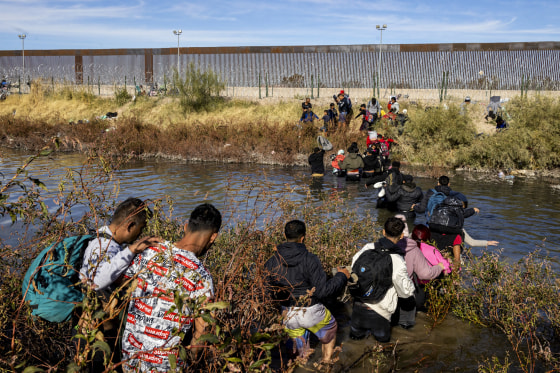
Washington, D.C. — In a landmark ruling on October 3, 2025, the U.S. Supreme Court sided with the Trump administration, clearing the way to revoke the Temporary Protected Status (TPS) of up to 600,000 Venezuelan immigrants living in the United States. This pivotal decision has immediate and far-reaching consequences for thousands of families and the ongoing debate over the nation’s approach to humanitarian immigration.
Background on Temporary Protected Status (TPS)
TPS is a humanitarian program established by Congress in 1990, designed to provide temporary haven for nationals of countries facing extraordinary and temporary conditions, such as armed conflict, environmental disaster, or other emergencies. The program grants work authorization and protection from deportation, typically in 18-month increments that can be renewed based on ongoing need.
Following the escalating political and economic crisis in Venezuela, the Biden administration in March 2021 made Venezuelans eligible for TPS. This decision responded to Venezuela’s collapsed economy, hyperinflation, violent unrest, and widespread shortages, conditions which continue to force millions from their homes. According to UNHCR, by late 2024, more than 7.7 million Venezuelans had fled the country, making it one of the largest displacement crises in the world. Approximately 600,000 Venezuelans in the U.S. were granted TPS, offering critical reprieve from deportation and access to work permits.
The Legal Battle and Supreme Court Ruling
The fate of TPS for Venezuelans was thrown into question after the Trump administration moved to end these protections, citing the original intent that TPS be temporary, not indefinite. Lower court rulings had blocked this effort, with Judge Edward Chen of the Northern District of California ruling on September 5, 2025, that the Department of Homeland Security had not followed proper administrative procedures in seeking to terminate TPS for Venezuelans.
The Trump administration filed an emergency petition, prompting the Supreme Court’s intervention. In their unsigned order, the six conservative justices agreed with the administration, characterizing Judge Chen’s ruling as contradicting the Court’s prior decision in May and reaffirmed the executive branch’s authority over TPS designation. The Court provided little rationale, emphasizing consistency with its earlier emergency ruling.
Dissent and Reaction
The three liberal justices strongly dissented. Justice Ketanji Brown Jackson, in a pointed opinion, condemned the Court’s repeated willingness to overturn lower court decisions on an emergency basis, noting the “lives hang in the balance.” She highlighted a troubling pattern of the Court intervening in favor of the Trump administration in immigration and related cases, now numbering over 20 instances since 2024.
Plaintiffs, including the National TPS Alliance and individual Venezuelans, echoed these concerns. Ahilan Arulanantham, lead counsel for the plaintiffs, called the move a “most extreme sign that the Supreme Court has abandoned law for politics.”
Conversely, Homeland Security officials hailed the decision as an affirmation of executive authority and a return to what they call the originally intended temporariness of TPS. “The American people should not have had to go to the Supreme Court twice to see justice done,” said Assistant DHS Secretary Tricia McLaughlin. “TPS was always supposed to be just that: temporary.”
Immediate Implications for Venezuelan Immigrants
For hundreds of thousands of Venezuelans who have built new lives in the United States, the Supreme Court’s ruling ushers in a period of profound uncertainty. Without TPS protections, many now confront the threat of deportation through standard immigration proceedings. Some may be eligible for asylum or other forms of humanitarian relief, but the success rates for such claims are notoriously low and subject to long backlogs in the U.S. immigration courts.
According to the Department of Homeland Security, over 350,000 individuals are currently benefiting from TPS protections for Venezuelans, with estimates as high as 600,000 people being affected when factoring in dependents. Hundreds of thousands have settled in major metropolitan areas such as Miami, Houston, and New York, with many contributing to local economies in crucial sectors such as construction, hospitality, and healthcare. A 2023 study by the Center for Migration Studies noted that TPS recipients from all countries contribute over $4.5 billion annually in federal, state, and local taxes.
Broader Policy and Political Context
The Supreme Court’s decision comes amid a contentious 2024–2026 election cycle, in which immigration remains a polarizing topic. Republican policymakers argue that TPS should not constitute a “backdoor amnesty,” while Democrats and advocates stress the humanitarian responsibilities of the United States amid global instability and mass displacement.
The Biden administration—previously extending TPS for Venezuelans through October 2026—has condemned efforts to curtail legal pathways for displaced people, but faces legal and political headwinds, particularly with a Supreme Court perceived as more aggressive in upholding executive action on immigration and shrinking judicial oversight.
Next Steps and Outlook
For affected Venezuelans, the options for long-term legal status have narrowed. While some may qualify for asylum or other protections, the Supreme Court’s decision signals a broader shift toward stricter immigration enforcement and narrower interpretations of humanitarian relief.
Human rights organizations have warned that deporting Venezuelans back to their home country could place lives at risk amid ongoing socioeconomic turmoil. Advocacy efforts are expected to intensify in Congress, with calls for legislative solutions that could provide a pathway to permanent residency for long-term TPS holders.
This ruling also sets a precedent affecting TPS designations for other nationalities, such as Haitians, Sudanese, and Nicaraguans, who collectively make up hundreds of thousands of additional TPS beneficiaries.
Conclusion
The Supreme Court’s decision to uphold the Trump administration’s authority to end TPS protections for Venezuelans reverberates far beyond the individuals directly affected. It highlights the fragility of stopgap humanitarian programs in an increasingly divided political and legal environment, and raises urgent questions about the future of U.S. immigration and refugee policy.


