
Supreme Court Fast-Tracks Trump’s ‘Liberation Day’ Tariffs Case: Implications for U.S.-China Trade and Presidential Powers
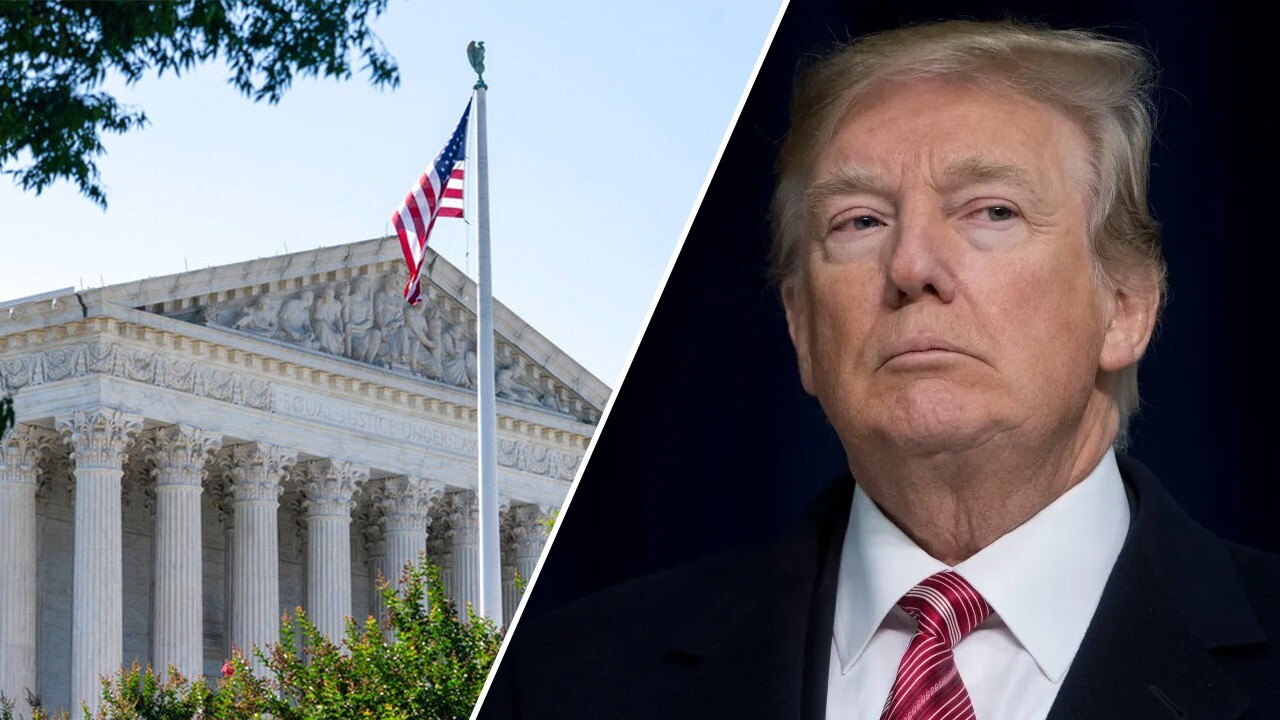
Washington, D.C. — The U.S. Supreme Court has agreed to fast-track a pivotal case regarding former President Donald Trump’s imposition of tariffs on Chinese imports, commonly referred to as the ‘Liberation Day’ tariffs. The Court’s decision to expedite review of this case in its upcoming session signals its recognition of the wide-ranging consequences for American trade policy, the scope of presidential powers, and the global economic order.
Background: The ‘Liberation Day’ Tariffs and Their Controversy
The roots of the case trace back to 2018, when the Trump Administration imposed a series of tariffs on hundreds of billions of dollars’ worth of Chinese goods. The tariffs, justified under Section 301 of the Trade Act of 1974, were intended to counter what the administration described as unfair trade practices and intellectual property theft by China. The measures ignited a protracted U.S.-China trade war, leading to tariff retaliation by China and heavy impacts on global supply chains, U.S. exporters, and consumer prices.
While supporters argued that the tariffs were a necessary tool to rebalance U.S.-China trade relations and protect domestic industries, critics claimed the administration overstepped its legal authority by invoking emergency powers in peacetime and raising tariffs without sufficient Congressional oversight. Multiple lawsuits, including those coordinated by industry groups and importers, have challenged the executive branch’s authority to act unilaterally in this sphere.
The Supreme Court’s Fast-Track Decision
On September 10, 2025, the Supreme Court agreed to fast-track the case, moving it up in its docket for the new session. This rare action typically reflects a judgment that the issues at stake are of significant national and international importance. Legal experts believe the Court will focus on whether Section 301, and other statutes invoked, grant the President broad, unchecked tariff powers, or if such moves require more defined Congressional sanction.
If the Supreme Court restricts presidential authority, it could set new limits on the use of emergency powers to intervene in trade policy. Alternatively, if it upholds the president’s discretion, future occupants of the White House may retain the ability to swiftly implement tariffs without waiting for Congressional approval, altering the balance of power between branches of government.
Implications for U.S.-China Trade Relations
The significance of the Court’s decision extends well beyond legal theory. Since 2018, tariffs on Chinese goods have led to shifts in sourcing strategies for U.S. companies, increased costs for manufacturers and consumers, and reconfigured global supply chains. The Biden Administration has kept many tariffs in place while opening new negotiations with China, underscoring the enduring complexity of economic engagement with Beijing.
According to the U.S. Census Bureau, goods imports from China stood at $536.3 billion in 2022, down slightly from pre-tariff levels. Sectors such as electronics, textiles, and machinery have been particularly affected. The American Action Forum estimates that total tariffs collected on Chinese imports since 2018 exceed $170 billion, with the cost largely borne by U.S. businesses and consumers.
Globally, the tariffs fueled uncertainty and contributed to inflationary pressures, as seen in the COVID-19-era shipping crises and subsequent price hikes on consumer goods. Both U.S. and Chinese officials have cited the dispute as a central challenge in diplomatic negotiations, with the potential for escalation if sudden policy changes result from legal decisions or further executive action.
Industry and Political Reactions
Industry groups, especially in the retail, automotive, and technology sectors, have expressed concern about the legal limbo surrounding the tariffs. The National Retail Federation and American Apparel & Footwear Association, among others, argued in amicus briefs that uncertainty hampers business planning and capital investment. On Capitol Hill, lawmakers are split, with some Republicans urging strong executive action versus Democrats pushing for increased Congressional oversight over trade measures.
Chamber of Commerce Executive Vice President Neil Bradley commented, “The ultimate outcome could reset the rules of engagement for American trade policy and the functioning of the U.S. political system in trade crisis response.”
The Legal Arguments at Stake
At the heart of the Supreme Court case is the long-standing question: How much power does the President have under statutory law to impose tariffs and other economic sanctions without Congressional approval? Proponents of strong executive power cite the need for rapid, flexible response to emergent threats. Opponents worry this undermines democratic checks and balances, risking overreach and unpredictability in trade policy.
Oral arguments are expected early in the Court’s next term, with a decision likely before the 2026 election cycle begins in earnest. Given the high political and economic stakes, the verdict may influence not only U.S.-China relations for years to come, but also set a precedent for how future presidents can wield economic tools.
Looking Ahead
The Supreme Court’s expedited review spotlights an era of trade friction and shifting geopolitical alignments. As U.S. industries, consumers, and trading partners await a landmark ruling, the stakes are clear: The decision will shape the boundaries of executive power, the trajectory of the U.S. economy, and the global trading system.
With the 2026 presidential election on the horizon and debates over globalization intensifying, all eyes will remain on the Supreme Court as it tackles one of the most significant trade law cases of the decade.


