
Supreme Court Greenlights Trump Administration’s Sweeping Immigration Raids in Los Angeles
Washington, D.C. — In a contentious 6-3 decision, the Supreme Court has granted the Trump administration’s emergency request to resume broad immigration enforcement operations across the Los Angeles area, suspending a federal court order that restricted Immigration and Customs Enforcement (ICE) tactics. The ruling reignites a fierce national debate over constitutional rights, racial profiling, and the balance between national security and civil liberties.
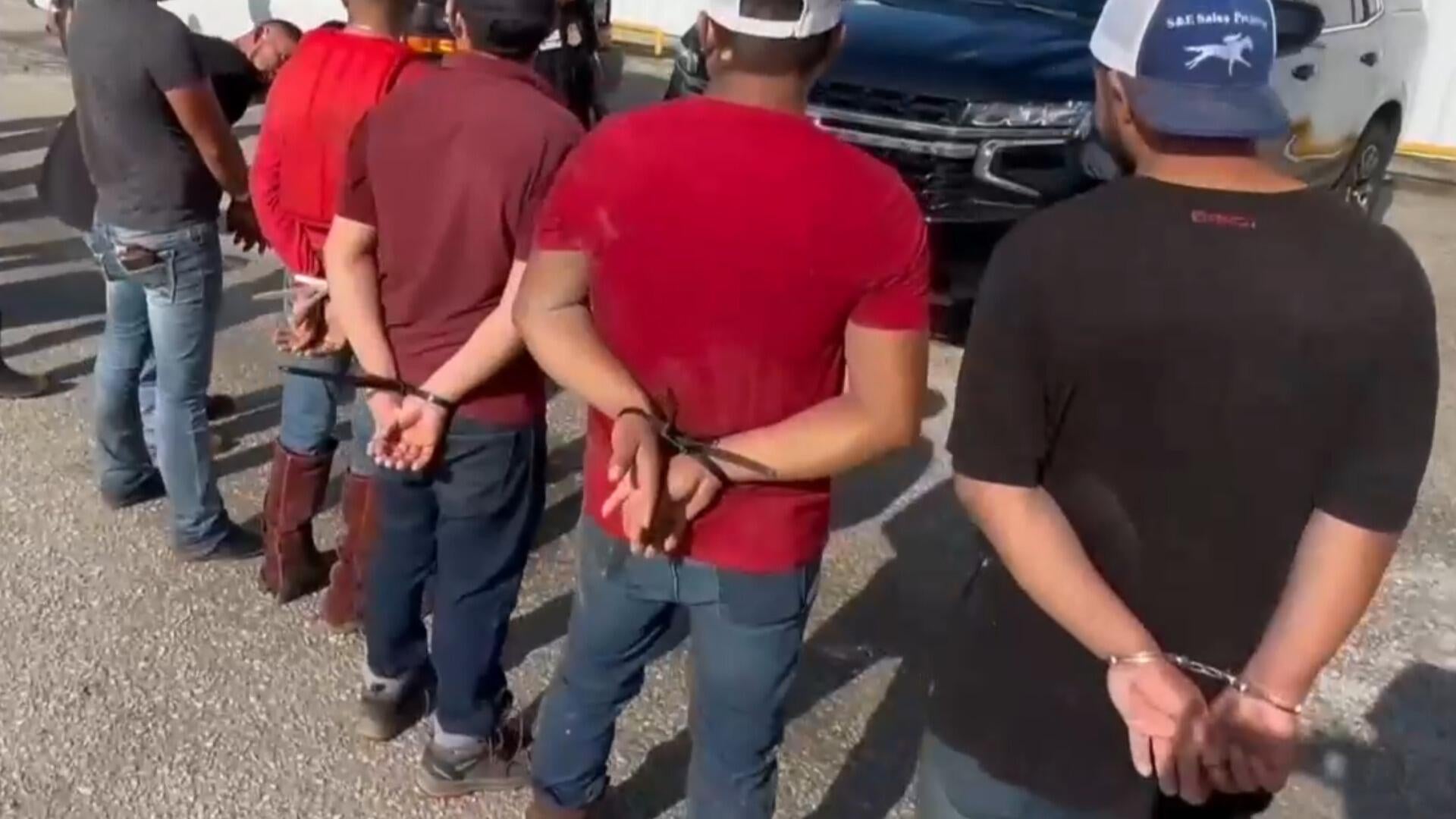
Reshaping Enforcement Priorities and Legal Precedents
The case at hand arose amid an unprecedented clampdown ordered by President Trump as part of a nationwide effort to expel millions of undocumented immigrants. The administration estimated that approximately 2 million of Los Angeles’ nearly 20 million residents are in the country unlawfully, making the region a “top enforcement priority.”
Following a series of workplace raids and protests in June 2025, federal agents—backed by both California National Guard members and active-duty Marines—sought to restore control and ensure the safety of federal property, underscoring the administration’s uncompromising stance on immigration. Simultaneously, critics warned that such actions fueled community fear, endangered civil liberties, and risked institutional trust—raising profound questions about the limits of executive power.
From District Court Blockade to Supreme Court Reversal
The legal showdown began when three Pasadena day laborers, undocumented and arrested in a June enforcement sweep at a donut shop, filed suit alleging their Fourth Amendment rights were violated. They were soon joined by U.S. citizens and advocacy groups, challenging ICE’s use of race, language, and occupation as determinants for stops.
In July, U.S. District Judge Maame Ewusi-Mensah Frimpong granted a temporary restraining order, barring ICE from detaining individuals based solely on apparent race or ethnicity, speaking Spanish or accented English, presence at specific high-risk sites (like bus stops or day laborer pick-up areas), or type of work performed. Judge Frimpong asserted there was a “mountain of evidence” showing indiscriminate and suspicion-less stops were ongoing in violation of constitutional rights.
Solicitor General D. John Sauer called the order a “straitjacket” on law enforcement, arguing in his Supreme Court filing that it essentially paralyzed agents’ ability to enforce immigration statutes. He contended, “The injunction wrongly brands countless lawful stops as unconstitutional… turning every single stop in the District into a potential contempt trap.”
Supreme Court: Emergency Powers and Deep Dissents
Faced with conflicting appeals from both sides, the Supreme Court’s conservative majority agreed to freeze the restraining order. The decision, delivered from the so-called “emergency docket,” rekindled concern over the use of expedited rulings in cases with grave civil liberties implications.
Justices Sonia Sotomayor, Elena Kagan, and Ketanji Brown Jackson issued a vigorous dissent. “We should not have to live in a country where the government can seize anyone who looks Latino, speaks Spanish, and appears to work a low-wage job,” Sotomayor wrote. “Rather than stand idly by while our constitutional freedoms are lost, I dissent.”
Reactions from the White House, DHS, and LA Officials
The Biden-appointed Judge Frimpong’s order was fiercely opposed by Homeland Security officials, who insisted that robust enforcement was pivotal for “the safety of Californians and the rule of law.” Tricia McLaughlin, a DHS spokeswoman, directly criticized Los Angeles Mayor Karen Bass, accusing her of giving “safe harbor” to dangerous offenders.
Mayor Bass pushed back, warning the Supreme Court’s ruling would “tear apart working families” and deepen mistrust of public safety institutions. “This isn’t just an attack on the people of Los Angeles, this is an attack on every person in every city in this country,” Bass said in a public statement. She characterized the court’s decision as “un-American” and “dangerous.”
The Broader Debate: Civil Rights, Racial Profiling, and the Future of Immigration Enforcement
Advocacy groups and legal experts have sounded alarms over the potential for widespread targeting of Latino communities and individuals perceived as immigrants, regardless of actual status. Lawyers for the plaintiffs claimed ICE’s prior practices have led to “immeasurable harm” for both undocumented residents and U.S. citizens, with some subjected to wrongful detention or physical injury due to mistaken identity or overzealous enforcement.
The notion of “dragnet” enforcement, the lawyers argued in their Supreme Court opposition brief, erodes basic American freedoms and threatens to “ensnare millions” of law-abiding people in Los Angeles alone. “The government’s extraordinary claim that it can get very close to justifying a seizure of any Latino person in the Central District because of the asserted number of Latino people there who are not legally present is anathema to the Constitution,” their brief stated.
This controversy echoes broader national trends, as states and cities challenge or cooperate with federal immigration mandates. A July 2025 Pew Research Center report highlights growing polarization over local-federal cooperation, with nearly 60% of Californians supporting sanctuary city policies, while over 50% of Americans polled show concern about border security and enforcement.
Looking Ahead: Lasting Consequences and Legal Uncertainty
For now, the Supreme Court’s decision empowers federal agents to resume stops and detentions under contentious criteria until ongoing appeals are resolved. The Department of Justice and DHS have signaled intentions for further escalations in other regions identified as major immigration hubs, including Houston, Chicago, and Miami.
Legal analysts predict the high court’s eventual opinion could set a national standard for what constitutes “reasonable suspicion” in immigration enforcement—or, critics fear, what could amount to court-sanctioned racial profiling. Meanwhile, Los Angeles and similar urban centers brace for intensified enforcement, surges in community fear, and rapid shifts in local policing strategies.
As the case proceeds, it will shape not just the lives of Los Angeles’ diverse immigrant community, but also the nation’s fundamental expectations concerning government authority, constitutional safeguards, and the meaning of freedom and justice for all.


