
Tesla and Samsung Strike $16.5 Billion Semiconductor Chip Supply Deal to Boost AI Ambitions
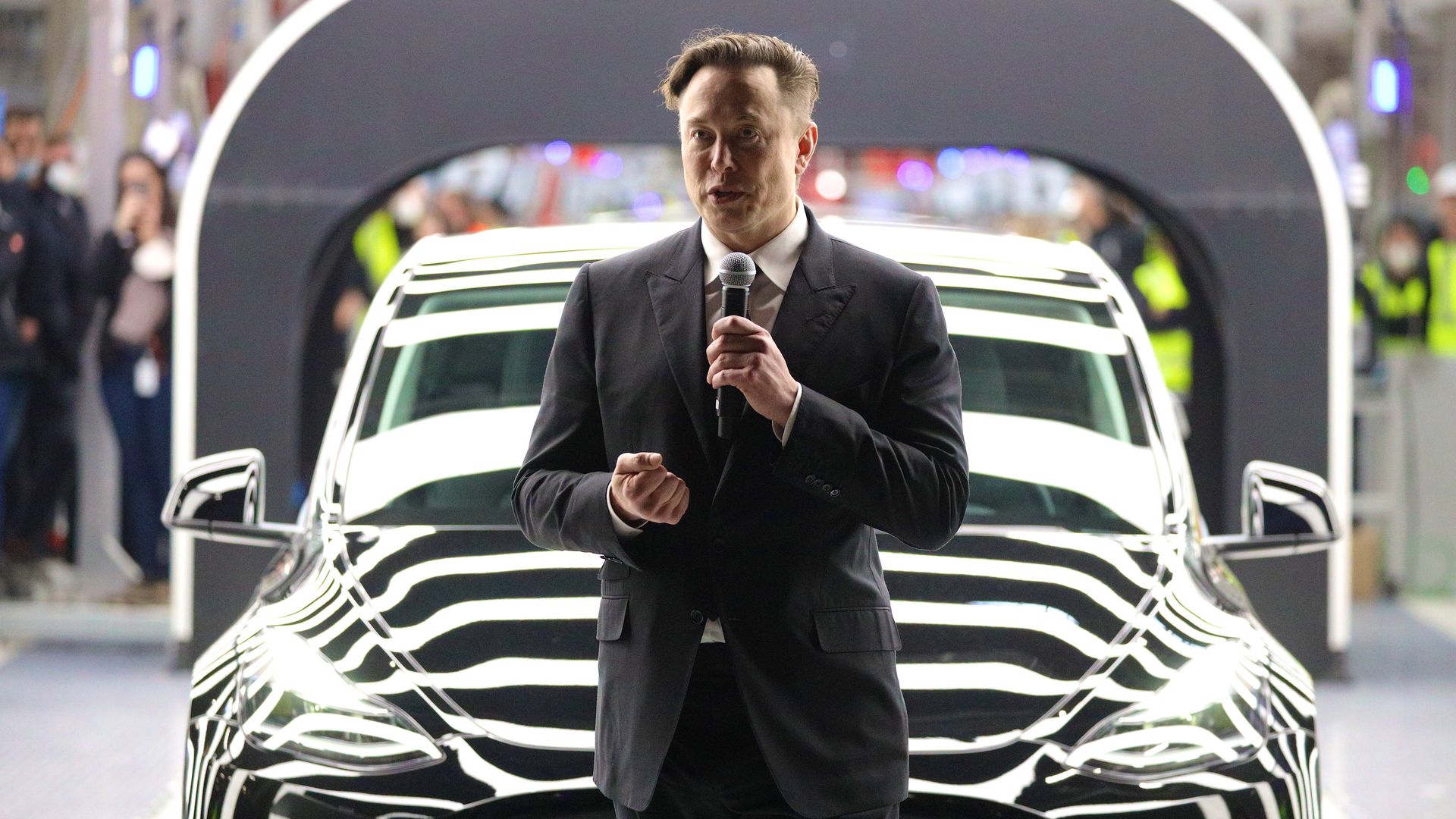
July 28, 2025 — Tesla has sealed a landmark $16.5 billion semiconductor chip supply deal with Samsung Electronics, a move poised to reshape the landscape of AI hardware in electric vehicles and autonomous technology. The announcement, made by Tesla CEO Elon Musk via social platform X late Sunday, reveals Samsung’s newly constructed Texas fabrication plant will be tasked with manufacturing Tesla’s next-generation AI6 chip, a critical component for the company’s ambitious AI roadmap.
Breaking Down the Deal
The multi-billion dollar supply contract, officially confirmed after Samsung’s initial disclosure without naming Tesla, is among the largest of its type in the semiconductor sector this year. The agreement not only cements Tesla’s reliance on homegrown U.S. chip fabrication capabilities but also underscores the fierce competition among major tech players for high-performance computing power.
Under the deal, Samsung’s state-of-the-art Texas facility will exclusively manufacture the AI6 chips—the heart of Tesla’s next wave of AI systems. This announcement comes as industry leaders and governments around the globe ramp up investments in semiconductor supply chains, both to drive innovation in fields like autonomous driving and to increase resilience against geopolitical disruptions.
Strategic Significance for Tesla and Samsung
Elon Musk commented, “Samsung’s giant new Texas fab will be dedicated to making Tesla’s next-generation AI6 chip. The strategic importance of this is hard to overstate.” The Tesla CEO further noted that while Samsung currently produces the AI4 chip, Taiwanese rival TSMC will handle initial production of the AI5 chip in Taiwan and Arizona, before the AI6 is transitioned to Samsung’s advanced U.S. facility.
This direct partnership offers several advantages for both firms:
- Vertical Integration and Manufacturing Control: Samsung will allow Tesla to directly assist in maximizing manufacturing efficiency, providing rare insight and flexibility into the semiconductor production line. Musk stated, “I will walk the line personally to accelerate the pace of progress. And the fab is conveniently located not far from my house.”
- AI and Autonomy at Scale: The chips will power Tesla’s Full Self-Driving (FSD) systems, next-gen vehicle computer platforms, and AI-driven manufacturing automation, furthering the company’s edge in a competitive field that includes GM’s Cruise, Apple’s Project Titan, and Chinese rivals like BYD and XPeng.
Industry Context: A New Chapter in the Chip Wars
The global race for superior AI chips has intensified, with companies like Nvidia, AMD, and established foundries such as TSMC dominating headlines for their technological advances. Samsung, once lagging behind in the AI chip market according to its own 2024 financial reports, now positions itself as a vital supplier through this Tesla alliance. The development also arrives as TSMC, the world’s leading contract chip manufacturer, is expediting production at its Phoenix, Arizona facilities in response to surging U.S. demand and Washington’s emphasis on domestic semiconductor security.
According to the Semiconductor Industry Association, global chip revenues are expected to surpass $650 billion in 2025, buoyed in large part by surging AI, automotive, and data center demand. While Nvidia continues to lead the high-end AI accelerator market, direct partnerships like Tesla-Samsung promise to challenge the existing industry order, particularly in the fast-evolving automotive sector.
What the AI6 Chip Brings to Tesla
The AI6 chip will form the backbone of upcoming Tesla vehicles and next-gen AI projects, including enhanced Full Self-Driving (FSD), real-time data processing, and potential data center operations supporting Tesla’s AI applications across energy, robotics, and the nascent robotaxi industry. Analysts expect these chips, manufactured using ultra-advanced 3nm and 2nm process nodes, to offer industry-leading power efficiency and AI performance metrics, critical for both mobile and stationary autonomous platforms.
With this collaboration, Tesla also aims to reduce its dependency on Asian suppliers and strengthen its U.S. supply chain, a message resonating with policymakers after chip shortages and trade tensions highlighted vulnerabilities in recent years.
Elon Musk’s Broader Vision: Beyond Automobiles
This deal also aligns with Musk’s efforts to transform Tesla from a traditional automaker to an AI and robotics powerhouse. Tesla’s tentative investments in Musk’s AI startup, xAI (which owns ChatGPT competitor Grok and social platform X), further illustrate a broader strategy to give Tesla a controlling role in the AI supply and innovation chain. Tesla’s CEO has repeatedly stated his ambition to see Tesla lead not just in vehicles, but in AI software, hardware, and infrastructure underpinning future technological revolutions.
Looking Ahead: Winners and Challenges
As this partnership unfolds, the immediate winners include Samsung, which secures a substantial anchor client as it ramps up U.S. manufacturing, and Tesla, a step closer to vertically integrating its AI pipeline. However, execution risk remains. With chip demand at record highs and supply chain complexity increasing, both firms must demonstrate agility and resilience to stay ahead in the technology arms race.
For the industry at large, the Tesla-Samsung deal exemplifies a shift towards multi-sourcing, strategic alignment between automakers and chip producers, and ever-closer coordination between software and hardware assets. Policymakers and investors alike will be watching closely as the first Tesla vehicles with Samsung AI6 chips roll out of the factory—potentially by late 2026—setting new benchmarks for AI-driven mobility and smart manufacturing.


