
Tesla Shares Tumble as Elon Musk Announces Formation of ‘America Party’ Amidst Political Feud
Published: July 7, 2025 | By: Caroline Petrow-Cohen
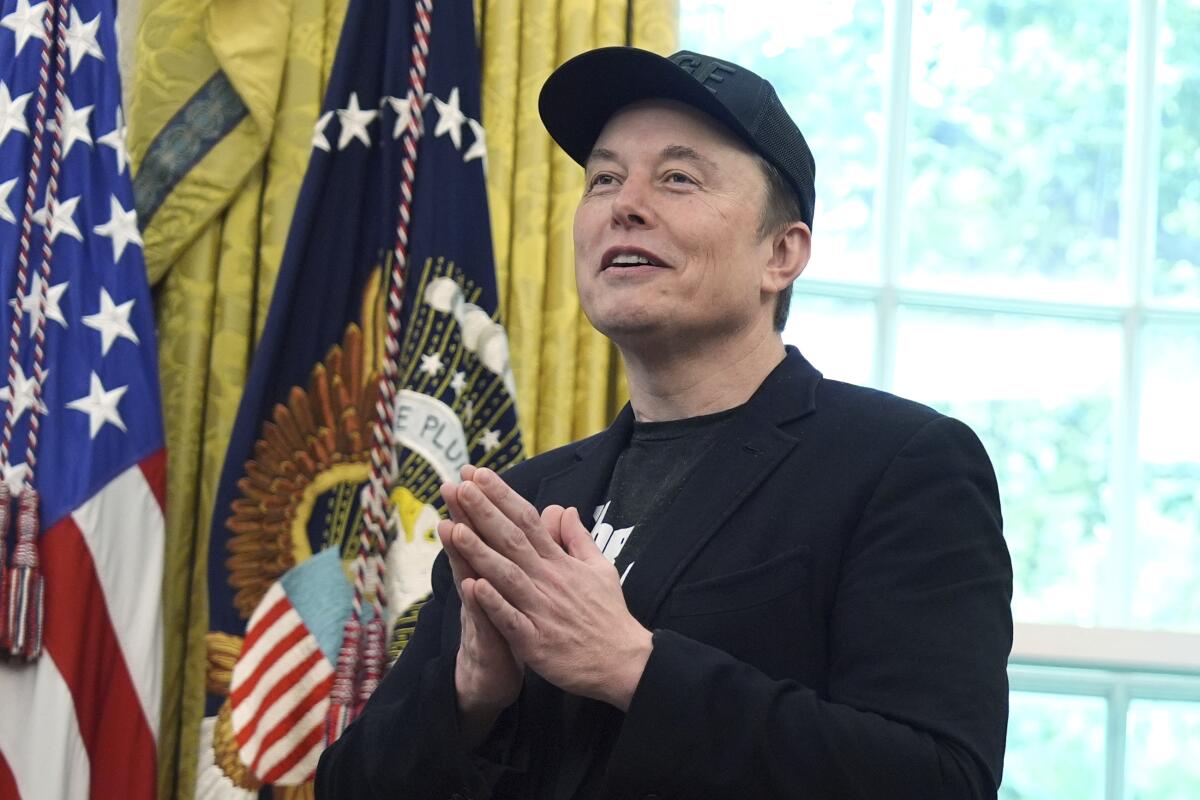
Tesla’s tumultuous year took a new turn on Monday as shares of the electric vehicle (EV) manufacturer plunged nearly 7% following CEO Elon Musk’s surprise announcement: the launch of his own political movement, dubbed the “America Party.” The move—unveiled during an intensifying feud with President Donald Trump—rekindled concerns among investors and analysts who worry Musk’s leadership is increasingly diverted from his core business responsibilities at Tesla.
Musk broke the news via his social media platform X, asserting the party’s mission was to reclaim democracy from what he sees as endemic waste and corruption in Washington. “When it comes to bankrupting our country with waste and graft, we live in a one-party system, not a democracy,” Musk wrote over the weekend. “The America Party is formed to give you back your freedom.” This high-stakes foray into American politics comes as Musk’s once-amicable relationship with President Trump has devolved into open hostilities—both leaders exchanging pointed barbs across X and Truth Social.
Mounting Tensions and Investor Anxiety
Tesla shareholders have expressed mounting anxiety throughout 2025 as Musk’s focus has appeared split between his controversial stint in the Trump administration—leading a special White House advisory board on government efficiency—and the relentless operational demands of the world’s top electric car company. Shares of Tesla are down more than 22% year-to-date, compounding investor frustration. The drop on Monday, which saw Tesla closing at $293—a 6.7% decline—partially erased gains the stock saw in earlier years and reflected broader market concern over Musk’s multi-front battle.
Dan Ives, Managing Director and Senior Equity Analyst at Wedbush Securities, highlighted the gravity of the situation: “Tesla shareholders are exhausted. They need him to focus on Tesla. It’s a soap opera that doesn’t feel like it’s ending anytime soon.” Ives predicted that 5% to 10% of the brand damage inflicted during Musk’s time in Washington could be permanent, affecting global sales and investor confidence. In Europe, Tesla’s monthly EV sales dropped nearly 50% across 32 countries in April alone, according to EU auto registration data.
Business Fallout: Declining Sales and Brand Erosion

The numbers paint a concerning picture for Tesla. The company reported a 13% year-over-year drop in vehicle deliveries in the second quarter of 2025, continuing a string of lackluster earnings reports. In Q1 2025, Tesla’s profits plummeted by a staggering 71%, with the brand under pressure from both intensifying global competition—such as China’s BYD and Germany’s Volkswagen—and reputational blows linked to Musk’s contentious political activities.
Public backlash has not been limited to the stock market. As Musk became a prominent political player, many formerly loyal, largely progressive customers have grown disenchanted. High-profile Tesla owners, including celebrities, have publicly parted ways with the company. The resale value of used Teslas has decreased significantly since the beginning of 2025, illustrating waning demand in secondary markets. Kelley Blue Book data showed a 28% average year-over-year drop in used Tesla Model 3 prices by June, a sharp contrast to previous years when the vehicles commanded premium resale values.
Brand Loyalty in Flux: Consumer and Market Reaction
Musk’s polarizing profile has spilled beyond the boardroom, alienating a segment of Tesla’s customer base. Anecdotal reports and recent surveys indicate that nearly 21% of Tesla owners are considering switching brands for their next vehicle due to discomfort with Musk’s political engagement. In one telling episode, Los Angeles Tesla owner Daniel Bateman described feeling “betrayed” by the CEO’s political choices and suggested that brand affinity among Musk’s core supporters is rapidly eroding.
Musk’s May 2025 resignation from the federal advisory post initially sparked relief on Wall Street, with expectations he would refocus on Tesla’s mounting operational and competitive challenges. Instead, the public falling out with Trump and the pivot towards a new third party underscore that Musk is not retreating from the national spotlight, further amplifying market volatility and strategic uncertainty for Tesla.
Political Consequences: Can a Third Party Succeed?
The announcement of the “America Party” has generated skeptical commentary and historical parallels. Former President Trump mocked Musk’s plans on Truth Social, stating, “He even wants to start a Third Political Party, despite the fact that they have never succeeded in the United States.” Political analysts similarly note that third-party efforts in American politics have rarely gained lasting traction, often splitting votes and complicating electoral calculus. Yet, Musk’s immense platform and cult-like following render this initiative far from inconsequential, especially in a turbulent election year.
Polling data released this month by Gallup shows rising public dissatisfaction with both major parties, suggesting an appetite for outsider alternatives. However, structural barriers such as restrictive ballot access laws, high campaign costs, and entrenched two-party dynamics have historically doomed new parties to failure. Whether Musk’s star power and social media megaphone can overcome these obstacles is an open question, but strategists warn the risks for Tesla and its shareholders may far outpace any political rewards.
Looking Ahead: The Impact on Tesla’s Future
Tesla’s standing as a global EV leader remains formidable, with ongoing investments in autonomous driving, battery innovation, and international expansion—most notably, new manufacturing plants in Mexico and Germany. Yet these advances are threatened by executive distraction and brand politicization at a time when rivals are gaining ground. Compounding matters is the recent uptick in U.S. and EU regulatory scrutiny over vehicle safety and antitrust issues, adding further uncertainty to the company’s trajectory.
For now, calls for Musk to decouple himself from political drama and refocus on Tesla’s core mission are growing ever louder across the investment community, customer base, and market analysts. As 2025 progresses, all eyes will remain on whether Musk can restore confidence, rebuild Tesla’s battered brand, and drive innovation in a fiercely changing automotive world—or if his high-profile political gambit will only deepen the company’s challenges.


