
Trump Administration Presses Foreign Firms on Immigration Compliance After Hyundai Plant Raid
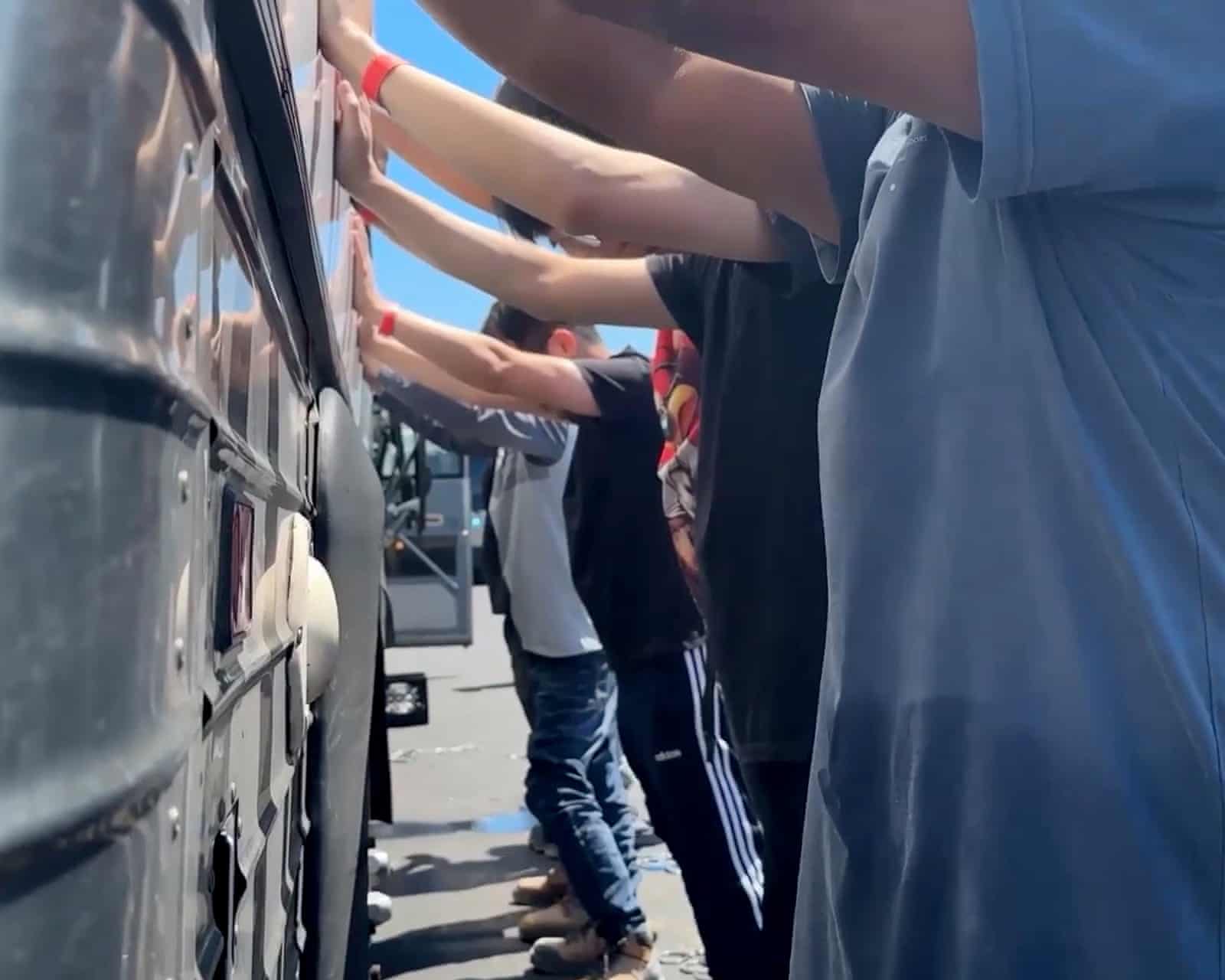
Washington, DC – President Donald Trump has issued a stern message to foreign businesses after U.S. Immigration and Customs Enforcement (ICE) conducted a high-profile raid last week at a joint Hyundai-LG automobile assembly plant in Georgia, detaining nearly 500 workers, including 300 South Korean nationals. The incident, the largest single-site immigration enforcement action since Trump took office in his second term, has escalated diplomatic concerns and spotlighted the administration’s robust approach to enforcing immigration and labor laws.
Largest Immigration Enforcement Sweep of the Trump Era
The ICE operation, conducted at the sprawling Hyundai-LG facility in West Point, Georgia, is notable both for its scale and its international implications. U.S. authorities released video footage depicting workers handcuffed and led onto buses, scenes that have triggered shock—and protest—in South Korea and among immigrant advocacy groups within the U.S.
ICE officials stated the raid was the result of a months-long investigation into alleged violations of immigration and labor laws, including the employment of workers allegedly lacking proper legal documentation. The Georgia site is a flagship facility for Hyundai and LG Energy Solution, representing billions in recent investment amid incentives meant to boost U.S.-based manufacturing and employment in electric vehicles.
South Korea Demands Swift Repatriation, Diplomats Mobilize
Following the raid, Seoul swiftly responded. The South Korean government confirmed that the detained nationals would be released and flown home, seeking to limit the diplomatic fallout. LG senior executive Kim Ki-soo was dispatched to Georgia to facilitate dialogue, prioritizing the immediate release and repatriation of both LG Energy Solution employees and staff from partner firms. The move highlights the depth of economic ties—bilateral trade between the U.S. and South Korea reached nearly $140 billion in 2024, with Hyundai and LG playing central roles in the technology and automotive sectors.
South Korea’s Ministry of Foreign Affairs issued a formal complaint, citing concerns over due process, worker welfare, and the broader impact on Korean businesses operating in the U.S. “Our immediate focus is the safety and fair treatment of our citizens,” the ministry said in a public statement.
Trump Calls for American Worker Prioritization, Foreign Firm Accountability
President Trump, posting on his Truth Social platform Sunday, maintained that investment from overseas companies is welcome in the U.S.—but not at the expense of American law. “Your investments are welcome, and we encourage you to LEGALLY bring your very smart people … What we ask in return is that you hire and train American Workers,” the president wrote, emphasizing that lawful conduct and compliance with U.S. immigration law remain prerequisites for foreign corporate activity.
The comments are part of Trump’s renewed push for employment nationalism, a stance that has evolved as high-profile foreign investments in battery, automotive, and chip manufacturing have surged following new federal incentives. The administration’s position places mounting pressure on multinationals to prove their hiring and labor practices align strictly with U.S. legal standards.
Trade and Immigration: Tensions and Economic Ramifications
The West Point raid has also intersected with broader trade debates. Trump’s administration, under Treasury Secretary Scott Bessent, has faced criticism over sweeping tariffs on imported goods from both allies and rivals. U.S.-headquartered manufacturers, including John Deere and Black and Decker, have voiced concern that these tariffs are effectively an added tax on American consumers and businesses—an assertion Bessent disputed in recent press interviews.
Meanwhile, the United States continues to attract record levels of foreign direct investment, yet international companies face heightened scrutiny from both U.S. labor agencies and homeland security officials. The Georgia incident is likely to amplify calls for new vetting protocols at major manufacturing sites, particularly in sectors benefitting from the Biden-era Inflation Reduction Act and the Trump administration’s renewed focus on domestic job creation.
According to the Bureau of Economic Analysis, foreign direct investment in U.S. manufacturing reached $1.9 trillion in 2024, with the largest contributions coming from Asian and European firms. Advocates for immigrant labor warn that abrupt enforcement actions may undermine America’s attractiveness as a global business destination, while supporters claim strict oversight protects U.S. workers and bolsters national security.
Political Response and Societal Fallout
The raid’s aftermath has become a flashpoint in American political discourse. In Congress, some Republican lawmakers have praised the action as a necessary correction for perceived lax oversight during prior administrations. Others, including Democratic policymakers and immigrant rights advocates, warn that such tactics risk alienating vital international partners and disrupting local economies.
Amid heightened political rhetoric, community organizations in Georgia and throughout the nation mobilized in support of affected workers. Churches in cities like Chicago, anticipating similar enforcement actions, have urged parishioners to carry identification and know their rights in the event of an ICE intervention. Labor unions and advocacy groups are calling for clearer federal guidance and transparency in future workplace enforcement.
Looking Ahead: U.S.–South Korea Economic Ties at a Crossroads
Industry insiders, trade analysts, and diplomatic envoys are monitoring the situation closely. Hyundai, LG, and numerous Korean suppliers have invested billions into U.S.-based ventures, shaping the rapidly evolving American electric vehicle and battery supply chain. Ensuring compliance with immigration and labor laws, while maintaining robust international partnerships, remains a delicate balancing act for both the U.S. government and foreign investors.
As the released South Korean workers are repatriated and corporate executives meet with officials, the message from Washington is clear: opportunities abound for global enterprises in the United States, but adherence to local laws and commitment to American workforce development are non-negotiable conditions moving forward.
The Hyundai-LG incident stands as a significant marker in the ongoing recalibration of U.S. foreign investment policy—one playing out against a backdrop of technological transformation, international competition, and complex cross-border workforce realities.


