
Trump Signs GENIUS Act, Launching First-Ever Federal Crypto Regulation in the U.S.
By Kathryn Watson, CBS News Digital
A Historic Milestone for U.S. Crypto Regulation
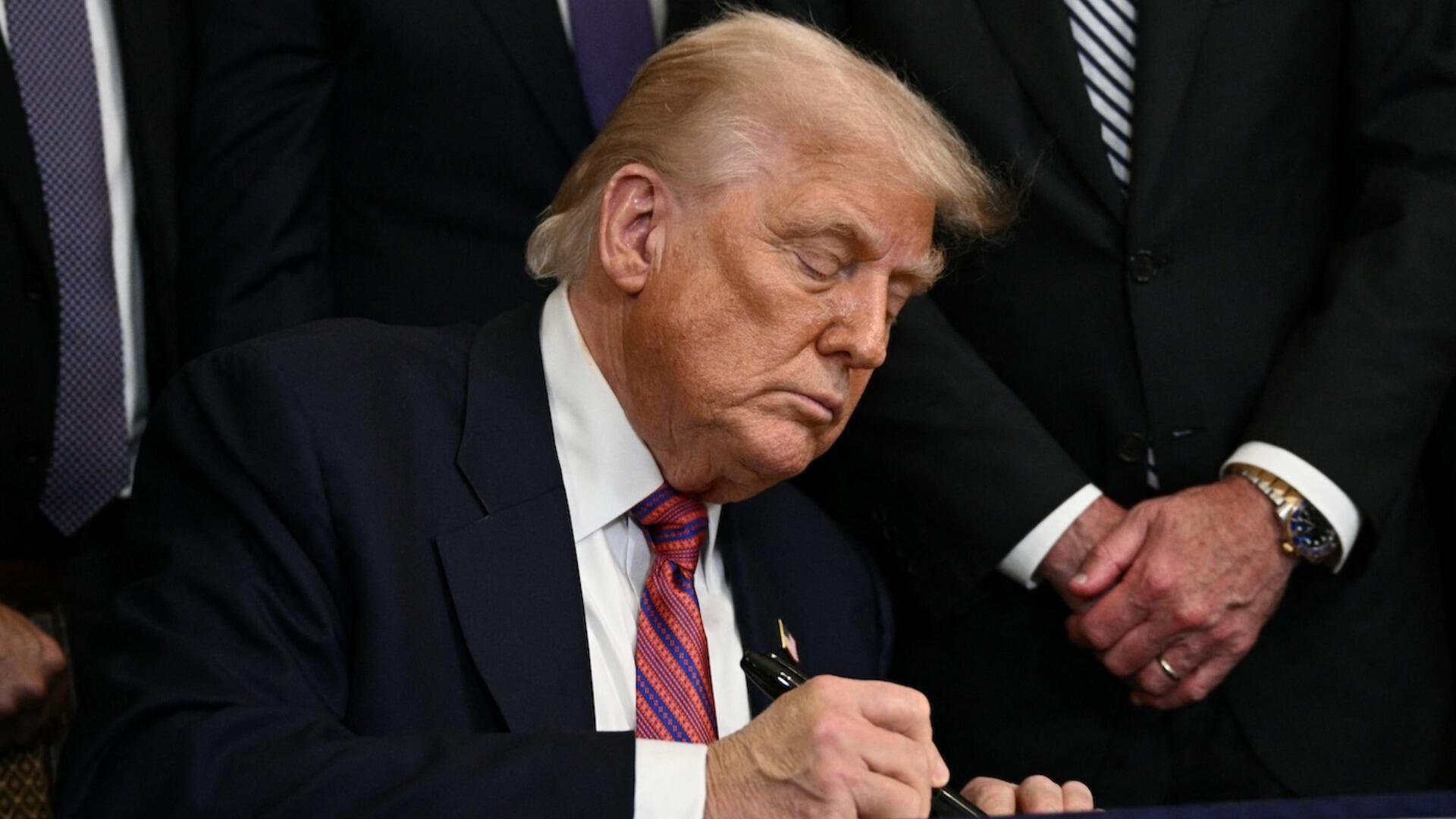
In a watershed moment for the digital finance industry, President Donald Trump on Friday signed the Guiding and Establishing National Innovation for U.S. Stablecoins Act, known as the GENIUS Act. The signing marks the first federal law in the United States regulating cryptocurrency, signaling a dramatic shift in Washington’s approach to digital assets.
The ceremony, held in the East Room of the White House, was attended by members of Congress and high-profile figures from leading fintech and crypto firms including Robinhood, Tether, and Gemini. “We worked hard. It’s a very important act,” President Trump said, emphasizing the significance of the legislation for America’s financial future. Underscoring bipartisan support, the bill passed the House the day prior by a vote of 308 to 121, with substantial backing from both Republicans and Democrats.
Understanding the GENIUS Act: Consumer Protections and Crypto Oversight
The GENIUS Act puts the volatile $250 billion stablecoin market under a federal regulatory framework for the first time. Stablecoins, digital tokens designed to maintain a stable value by being pegged to assets like the U.S. dollar or Treasury securities, have long been considered a safer class of cryptocurrency compared to highly volatile tokens such as Bitcoin or Ethereum.
Broadly, the law:
- Defines a legal category for stablecoins, setting out criteria for what qualifies.
- Establishes clear consumer protections to prevent fraud and ensure assets are backed on a 1:1 ratio by tangible reserves, such as USD or T-bills.
- Opens the market to regulated banks, nonbanks, and credit unions, allowing a diverse range of institutions to issue stablecoins under federal guidelines.
- Grants federal agencies oversight over stablecoin issuers, ensuring regular audits and transparency.
“The GENIUS Act creates a clear and simple regulatory framework to unlock the immense promise of dollar-backed stablecoins,” Trump declared. Industry advocates and lawmakers alike argue that these regulations will help drive mainstream adoption and enhance the U.S.’s competitive edge in the rapidly evolving global digital currency market.
Implications for the U.S. Financial System and Global Markets
The U.S. has lagged behind the European Union, the United Kingdom, and Asian jurisdictions like Singapore and Hong Kong, all of which have established crypto regulatory regimes in recent years. With the GENIUS Act, the U.S. aims to reclaim leadership over digital innovation in finance while safeguarding its currency’s status.
Supporters—including Sen. Bill Hagerty (R-TN), the bill’s sponsor—say the law will modernize payment infrastructure by enabling instant, borderless transactions for businesses and consumers. Prior to the Senate vote in June, Sen. Hagerty asserted that properly regulated stablecoins could herald the “greatest revolution in financial technology since the birth of the Internet.” He cited the capacity for near-instant settlement of payments, a major leap forward from the standard delays in traditional bank payments, especially for cross-border commerce.
Stablecoins currently serve as the backbone of global crypto trade—recent statistics from CoinMarketCap show daily trading volumes of top stablecoins such as Tether USD (USDT) and USD Coin (USDC) routinely exceeding $100 billion, reflecting the sector’s rapid adoption.
Regulators hope that integrating stablecoins into the mainstream, with robust consumer protections, will reduce risks of fraud and systemic shocks that have plagued previous eras of crypto, tightening the link between digital assets and the U.S. dollar.
Political Maneuvering and Crypto’s Rising Influence
The bill’s path through Congress was not without turbulence—dozens of conservative lawmakers initially blocked a key procedural vote, demanding changes to oversight and reporting requirements. President Trump reportedly lobbied Republican holdouts personally, working the phones to secure enough votes for passage.
In remarks after the signing, David Sacks, a prominent venture capitalist and Trump’s AI and crypto czar, credited the president’s direct involvement for the bill’s ultimate success. Vice President JD Vance was also praised for his role in rallying support late on a pivotal night. The presence of top crypto industry leaders—such as Cameron and Tyler Winklevoss of Gemini and Tether’s Paolo Ardoino—underscored the sector’s growing legitimacy in U.S. policymaking.
The Trump family’s increased holdings in cryptocurrencies have drawn scrutiny, but the White House has maintained that presidential assets are managed in a blind trust. Industry observers note that the GENIUS Act, coupled with the administration’s pro-crypto stance, marks a break from the previous climate of regulatory uncertainty, giving U.S. innovators a green light to invest, develop, and experiment domestically.
Beyond Stablecoins: A Broader Regulatory Wave
Alongside the GENIUS Act, Congress also passed two additional measures as part of what Republicans dubbed “Crypto Week” on Capitol Hill:
- The Clarity Act: Establishes a framework for regulating digital commodities beyond stablecoins, including rules for initial coin offerings (ICOs) and crypto exchanges, projected to come into effect in 2026.
- The Anti-CBDC Surveillance State Act: Prevents the Federal Reserve from launching a direct-to-consumer central bank digital currency (CBDC), addressing privacy concerns and reinforcing the private sector’s role in digital asset innovation.
Crypto industry leaders widely hailed the new legal architecture as a turning point. “For years, the entire crypto community was dismissed. Today’s signing is a massive validation,” President Trump said. Market analysts expect a surge in U.S.-based crypto projects and an influx of venture investment, especially as institutional players now have regulatory clarity for entering the stablecoin space.
Within hours of the GENIUS Act’s passage, several U.S. banks and credit unions—including JPMorgan Chase and State Street—announced exploratory stablecoin initiatives. Meanwhile, shares in Robinhood and Coinbase, leading U.S.-based crypto platforms, jumped on news of the bill’s signing, reflecting investor optimism about the sector’s growth prospects under the new regulatory regime.
Looking Forward: The U.S. Crypto Market Comes of Age
As the ink dries on the GENIUS Act, the U.S. stands at a pivotal juncture—balancing innovation with oversight and safety. The Biden administration and leading Democrats had previously stalled or opposed broad federal crypto regulation, but 2025’s bipartisan compromise may transform the country into a leading hub for legitimate, dollar-based digital assets.
With American financial institutions now empowered to issue and use stablecoins under a clear set of rules, proponents say the U.S. is poised to lead in both the technology and governance of the future internet economy. Critics, meanwhile, caution that effective enforcement, robust cybersecurity measures, and ongoing vigilance against illicit finance are crucial for the law’s long-term success.
For millions of Americans and global investors, the GENIUS Act promises a safer, clearer path to adopting digital assets, signaling that the era of the “Wild West” in U.S. crypto may finally be coming to a close.


