
Trump’s Tariff Revenue Surges to Record Highs, But Economic Impact Remains Limited
By Danielle Kurtzleben | August 11, 2025

Surge in U.S. Tariff Collections Under Trump
The Trump administration’s aggressive new round of tariffs has delivered a surge in customs and excise tax revenues, reaching $29.6 billion in July 2025 alone—nearly triple the typical monthly intake since 2020. According to Treasury Department data, this dramatic uptick could see fiscal year 2025 revenues from tariffs eclipse last year’s $98 billion total within months.
These newly instituted tariffs, targeting a wider range of imported goods from major trading partners including China, the European Union, and Japan, reflect President Trump’s promise to create a new revenue stream for the federal government. In recent speeches, Trump has pointed to rising tariff revenue as a justification for further expansion, suggesting tariffs could be used to offset government spending and address the mounting national debt.
How Tariffs Compare to U.S. Government Revenue Streams
Despite their impressive growth, tariffs remain a minor component of the federal government’s overall revenue. As of June 2025, tariffs accounted for just 2.7% of federal receipts, compared to 51.4% from individual income taxes and 9.1% from corporate income taxes. Even if projections for tariff revenue to reach or exceed $150 billion this year materialize, they will remain dwarfed by the roughly $4.5 trillion the government collects annually, mostly from income and payroll taxes.
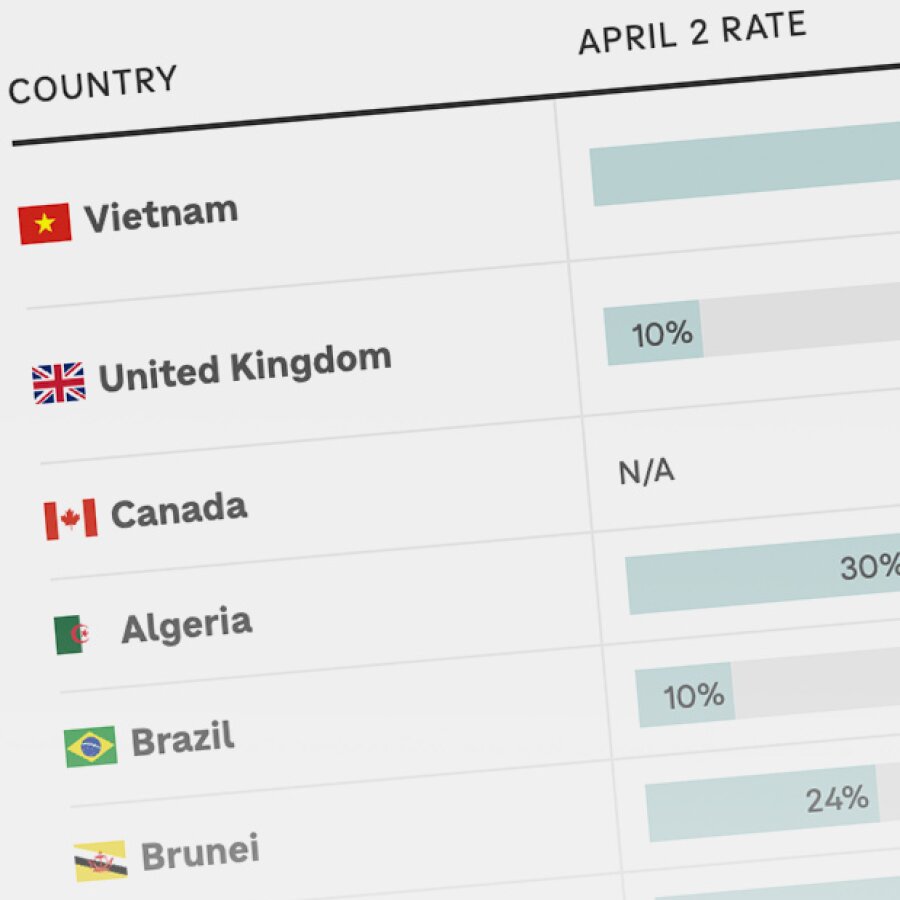
Shai Akabas, Vice President for Economic Policy at the Bipartisan Policy Center, explains, “Historically, tariff revenue rarely accounts for even 2% of federal revenue in modern times. Even if tariffs double, their relative share won’t match core revenue sources.”
Can Tariffs Replace Income Taxes or Pay Down the Debt?
President Trump has repeatedly floated the idea that tariffs might one day substitute for income taxes or even eliminate the national debt, which now sits near $37 trillion. But these assertions run counter to economic consensus and fiscal reality. According to Congressional Budget Office analysis, the recent Republican-backed megabill, signed into law in July 2025, is projected to cost $3.4 trillion over the next decade. By contrast, independent estimates from the Tax Foundation and university budget labs forecast that even sustained elevated tariffs might generate between $2 trillion and $3 trillion over the same period—far short of closing the government’s budget gap or making more than a symbolic dent in the debt.
“Tariffs can supplement federal income, but not replace major tax streams or resolve the debt crisis,” said Jessica Riedl, an economist with the Manhattan Institute. “Moreover, any fiscal benefit must be weighed against possible economic slowdowns triggered by higher import costs.”
The Economic and Consumer Impact of Growing Tariffs
Although tariffs are paid by U.S. importers—typically American companies—they are usually passed on to consumers through higher prices. This year’s wave of tariffs has already contributed to elevated inflation, with the consumer price index rising above 4% in July 2025, according to the Bureau of Labor Statistics. Key sectors impacted include electronics, automobiles, and everyday consumer goods, prompting concerns that rising costs could slow economic growth and squeeze household budgets.
Analysts note that while new tariffs boost customs revenue, they can shrink other tax bases. “Tariffs tend to slow economic activity,” Riedl said. “The government may see a short-term boost, but that can be offset by lower income, payroll, and corporate tax collections as growth softens.” In fact, GDP growth estimates for 2025 were revised downward from 2.3% to 1.1% in recent months as businesses recalibrated supply chains and consumers cut back.

Legal and Global Hurdles Facing Trump’s Tariff Agenda
Further tariff expansions face both legal challenges and diplomatic obstacles. In May 2025, a federal court ruled that the administration may have overstepped its authority by imposing country-specific tariffs unilaterally, especially on nations such as India and Japan. While those tariffs remain pending appeal, a negative court decision could require rolling back tariffs and refunding billions in collections—a logistical and fiscal headache.
Internationally, Trump’s threat to impose punitive tariffs unless trading partners strike new deals has driven ongoing negotiations with the European Union and others. As of August 2025, talks are undecided with key economies, leaving uncertainty for importers and global supply chains.
The Outlook: More Tariffs, More Uncertainty
Trump administration officials have signaled plans to expand tariffs to additional sectors, such as semiconductors, pharmaceuticals, and commercial aircraft. This could further increase customs revenue, although each new round draws resistance from both domestic industries and U.S. allies. Major corporations, including Apple, have begun reshoring some manufacturing, which ironically could reduce tariff income if imports fall.
Ultimately, tariff revenue is expected to remain a supplementary, not central, source of federal funding. Barring a shift in strategy or major policy breakthrough, tariffs may continue to generate headline-grabbing sums—yet their overall impact on national finances or economic health will likely stay modest, especially as legal and competitive pressures mount.


