
Two Senior U.Va. Health Leaders Quietly Take New Jobs Without Formal Announcement
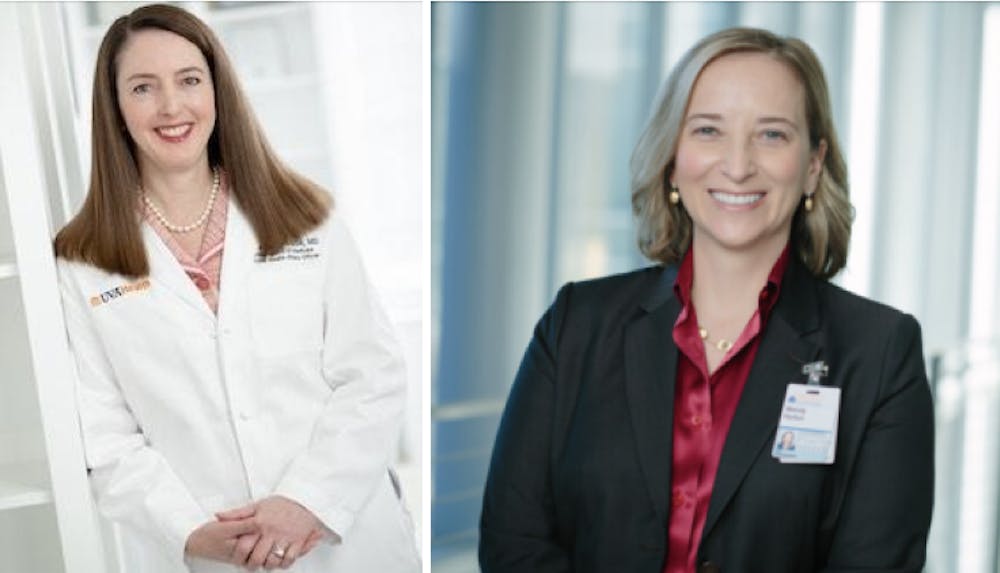
The University of Virginia (U.Va.) Health System is facing a dramatic leadership shift as Dr. Melina R. Kibbe, Dean of the School of Medicine and Chief Health Affairs Officer, and Wendy Horton, CEO of the University Medical Center, both prepare to leave the institution for high-profile leadership positions elsewhere. Despite the significance of this double departure, neither move was formally announced to the university or broader public, with official confirmation only provided in response to media inquiries. The quiet nature of these exits comes amid a period of controversy and transition at U.Va. Health, with impacts expected for both its staff and long-term strategic planning efforts.
Leadership Transitions Amid Ongoing Controversy
Dr. Kibbe, who stepped into her dual role at U.Va. Health in September 2021, has been appointed as the next president of The University of Texas Health Science Center at Houston (UTHealth Houston), pending a mandatory waiting period required by Texas law. This announcement came directly from the University of Texas System Board of Regents, which praised her academic and clinical achievements. She is expected to formally assume the presidency in late summer 2025.
Wendy Horton, who has served as CEO of the University Medical Center since October 2020, will leave her post in September to take up a senior executive role at the University of California San Francisco (UCSF) Health System, a frequent top national performer in hospital rankings by the U.S. News & World Report. During Horton’s tenure, she contributed significantly to advancing U.Va. Health’s direction and operational excellence, notably during the COVID-19 pandemic and the subsequent recovery phase.
Recent History of Faculty Discontent
The departures come on the heels of well-publicized unrest among U.Va. Health’s clinical and academic faculty. In September 2024, 128 faculty members of the University Physicians Group signed a letter of no confidence in Dr. Kibbe and then-U.Va. Health CEO Dr. Craig Kent, citing a “culture of fear and retaliation.” The Board of Visitors responded by hiring external counsel from Williams & Connolly LLP to investigate these claims, resulting in confidential findings and a subsequent resignation of Dr. Kent in February 2025. The detailed outcomes remain shielded from public scrutiny due to attorney-client privilege, further contributing to a sense of opacity around institutional leadership decisions.
Both Kibbe’s and Horton’s departures are part of a string of executive changes that have left several critical University roles—including president, provost, CEO of the Health System, CEO of the Medical Center, and dean of the Medical School—occupied by interim appointees. This exceptional state of flux raises questions about both short-term stability and the long-term vision for U.Va. Health.
Impact on U.Va. Health and Broader Academic Health Centers
During their tenure, both Dr. Kibbe and Ms. Horton played central roles in crafting U.Va. Health’s 10-year strategic plan, focusing on research expansion, clinical growth, and achieving top-tier status among academic health systems nationwide. Their leadership drove investments in biomedical research, new partnerships, and initiatives for improved patient outcomes. The loss of such high-profile leaders in quick succession threatens to temporarily disrupt progress on these initiatives and could impact recruitment, faculty morale, and U.Va. Health’s national standing.
These executive transitions are not unique to U.Va. In recent years, academic medical centers nationwide have experienced high turnover in C-suite roles, reflecting increasing pressures from evolving healthcare policy, financial challenges, physician burnout, and the complex politics of university governance. According to the American Association of Medical Colleges, nearly 30% of deanships and other key executive positions at U.S. medical schools and health systems turned over within the past five years—a pace accelerated by pandemic uncertainties, labor market shifts, and new demands from academic, clinical, and student constituencies.
Statements from University Leaders and Stakeholders
In a statement to The Cavalier Daily, Dr. Mitchell Rosner, serving as the interim CEO of U.Va. Health, highlighted Dr. Kibbe’s legacy: “During her tenure as dean… Dr. Melina R. Kibbe has played a vital role in crafting and advancing U.Va. Health’s 10-year strategic plan, which seeks to expand U.Va. Health’s biomedical research enterprise and make U.Va. the nation’s top public academic health system.” He expressed gratitude for her leadership and wished her success at UTHealth Houston.
Similarly, Rosner commended Ms. Horton, stating: “During her tenure as CEO of the University Medical Center, Wendy Horton has been an enormous driver of and contributor to the growth of our academic medical center, as well as helping to progress UVA Health’s ambitious 10-year strategic plan. We wish Dr. Horton all the best as she takes on her exciting new role at UCSF Health.”
Despite their significant contributions, neither Kibbe’s nor Horton’s transition were proactively communicated by the University, further fueling faculty concerns about transparency and administrative stability.
What Comes Next: Interim Leadership and Searches
With both Dr. Kibbe and Ms. Horton departing, U.Va. Health must now rely on interim leadership across several top roles at a time when stability is crucial. University President Jim Ryan and Provost Ian Baucom had already announced plans to step down, so permanent successors will need to be identified via national searches—processes that often take months and can be subject to faculty and student scrutiny.
The Board of Visitors and interim administrators have pledged smooth transitions, but with strategic planning, research initiatives, faculty recruitment, and patient care on the line, the period ahead may bring continuing uncertainty. Notably, student and faculty groups are already mobilizing for greater input into these leadership searches, as evidenced by recent student council resolutions seeking inclusion on selection committees and stronger commitments to transparency from university governance bodies.
U.Va. Health’s Position in the National Landscape
Despite recent turmoil, U.Va. Health remains recognized among the leading academic medical centers in the Southeast, ranked as Virginia’s No. 1 hospital for several consecutive years by U.S. News & World Report. However, the challenge now lies in preserving that reputation and momentum during rapid executive turnover. Experts suggest that bold, inclusive leadership and a recommitment to institutional values will be essential for attracting top talent and stabilizing the health system’s future goals.
Conclusion
The recent departures of Dr. Melina Kibbe and Wendy Horton mark a turning point in the trajectory of U.Va. Health, one of America’s most respected public academic medical centers. As the university community braces for further leadership changes and strategic recalibration, the decisions made in the coming months will shape not only the institution’s internal culture and academic standing but also its stature in the broader healthcare community.


