
U.S. Government Shuts Down as Congress Fails to Reach Funding Deal Amid Political Standoff
Published: October 1, 2025
In the early hours of October 1, 2025, the United States government officially entered a federal shutdown after partisan gridlock prevented Congress and the White House from reaching a funding agreement. This marks the first government closure since the historic 34-day shutdown in 2018-2019, and its swift onset highlights the profound divisions over federal spending priorities in a new era of political volatility.
Partisan Impasse Shutters Federal Operations
Despite Republicans holding a majority in both chambers of Congress, they could not muster the necessary 60 Senate votes required to overcome procedural hurdles. Both Republican and Democratic funding proposals were rejected within hours of the midnight deadline. At the heart of the divide are sharp disagreements over funding for health care priorities—including the extension of Obamacare subsidies—and contentious questions about executive power and spending directives.
President Donald Trump and congressional Republicans sought a short-term extension that would have maintained current funding levels through November 21. Democratic leaders, however, refused to accept a measure that sidelined their demands for permanent health care funding and greater parliamentary involvement in spending decisions. As bipartisan negotiations unraveled, a shutdown became unavoidable.
Immediate Effects: Federal Workers and Public Services Hit
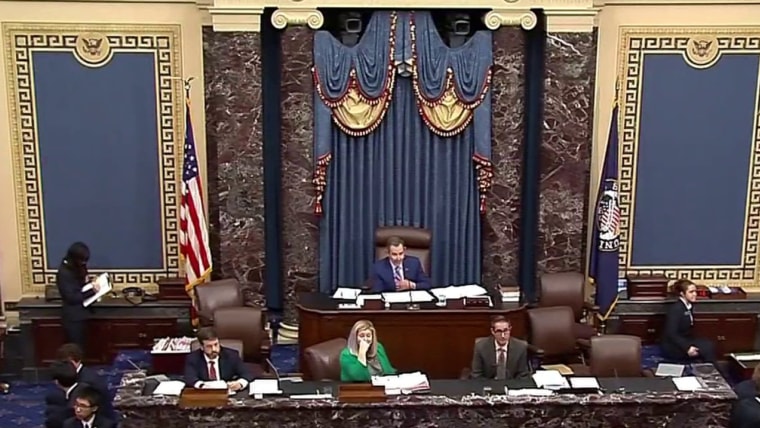
According to estimates from the Congressional Budget Office, the shutdown will furlough around 750,000 federal employees daily, including nonessential personnel across agencies. Workers in essential positions, such as air traffic controllers, Transportation Security Administration agents, federal law enforcement officers, and active military members, will be required to work without a paycheck, with back pay mandated under federal law once operations resume. The extended lack of income poses a serious hardship for many families; previous shutdowns saw food banks and community organizations stepping in to provide support.
Members of Congress and President Trump will continue to receive their salaries during the stoppage, underscoring a deep-seated resentment among both federal workers and the general public.
Key federal services will experience immediate disruption:
- National Parks: While national parks are expected to remain partially open, reduced staffing may limit access to facilities and maintenance, increasing the risk of environmental damage and safety issues for visitors.
- Social Security and Medicare: Benefit payments will continue unaffected since they rely on permanent mandatory spending authorities. However, new applicants may face significant processing delays due to furloughed administrative staff.
- Health Care Programs: The stalemate raises particular concern for Americans relying on Affordable Care Act subsidies, which are set to expire. If left unfunded, many could see their premiums rise in the coming months.
Root Causes: Ongoing Policy and Power Struggles
The standoff is a culmination of months of intense disagreement between the two major parties. Democrats have conditioned their support for any government funding package on assurances against the White House unilaterally redirecting spending and on the extension of health care subsidies. Meanwhile, GOP leaders have held firm on advancing a so-called ‘clean’ bill—one that maintains current spending without addressing Democratic priorities, favoring further negotiating through the regular budget process.
In the days leading up to the shutdown, President Trump and Republicans maintained that Democrats were to blame for rejecting what they characterized as a reasonable offer. Conversely, Democratic leadership, including Senate Minority Leader Chuck Schumer, accused Republicans of pushing a partisan agenda at the expense of working Americans’ access to health coverage.
This latest impasse revives memories of previous shutdowns, which have historically proven costly both politically and economically. Data from the CBO indicate that the 2018-2019 shutdown cost the U.S. economy more than $11 billion, with $3 billion considered permanently lost. The current closure, even if short-lived, could further slow a domestic economy already facing headwinds from global uncertainty and inflationary pressures.
The Political Stakes: Who Will Shoulder the Blame?
As federal employees prepare for days or even weeks without pay, both parties are keenly aware that public perception of the crisis could significantly influence their standing heading into the 2026 midterm elections. Recent polls underscore the uncertainty: a New York Times survey found 26% of voters blaming Trump and congressional Republicans, 19% blaming Democrats, and one-third holding both parties equally responsible. A Marist poll presented similar figures, with 38% assigning blame to Republicans and 31% to both parties equally.
Observers note that poll results may shift as the tangible effects of the shutdown mount and media coverage intensifies. Typical economic impacts include delayed contracts for private businesses, disruptions in regulatory approvals, stalled research and development at federal labs, and widespread economic insecurity for thousands of government contractors who may not receive back pay.
Path Forward: Uncertain Duration, Ongoing Tension
There is little indication of an imminent solution. After late-night negotiations yielded no new compromises, Congress adjourned with plans to reconvene without clear direction. Senate Majority Leader John Thune expressed hope that more Democrats would cross the aisle as the shutdown’s impact becomes more widely felt, while party leaders from both sides continued to exchange heated rhetoric.
Behind the scenes, political strategists note that each side faces intense pressure from their base: Republicans are reluctant to sacrifice core elements of Trump’s agenda, including proposed Medicaid cuts and regulatory rollbacks, while Democrats are urged to take a hard line against what many on the left see as a flagrant abuse of executive power by a second-term Trump administration.
The White House, for its part, appeared resolved to weather the political storm, even resorting to provocative tactics such as the release of a controversial AI-generated video targeting Democratic leaders. No new bipartisan discussions were scheduled as agency heads were instructed to implement formal shutdown procedures, adding to the sense of uncertainty in Washington and across the nation.
Impact on Americans and the Economy
In addition to federal employee furloughs, the wider American public is bracing for the fallout: passport processing delays, disruptions in small business loans and federal grants, limited food and environmental inspections, and challenges for low-income households dependent on government programs. Past shutdowns have been linked to reduced consumer spending, increased air travel delays, and ripple effects that can slow economic growth for months after the government reopens.
With the duration of this shutdown unclear, economists warn that a protracted impasse could contribute to further volatility in financial markets and undermine faith in U.S. political institutions. Businesses and local governments are already voicing concerns about the downstream effects, especially if negotiations stall for an extended period.
What Next: Political Outlook and Public Response
Negotiations are likely to intensify as constituents across the country feel the disruption in their daily lives. Both parties are actively seeking to avoid blame while posturing for maximum leverage. The outcome will hinge not only on legislative maneuvers but also on how the American public and media respond to the mounting crisis.
For now, federal workers and the millions who rely on government services can do little but wait as the nation’s capital remains gridlocked. Lawmakers will be under increasing pressure to find a compromise as the financial and political consequences deepen with each passing day.


