
UK and France Strike ‘One-in, One-out’ Migration Deal Amid Brexit Fallout
By The Independent Staff • July 10, 2025
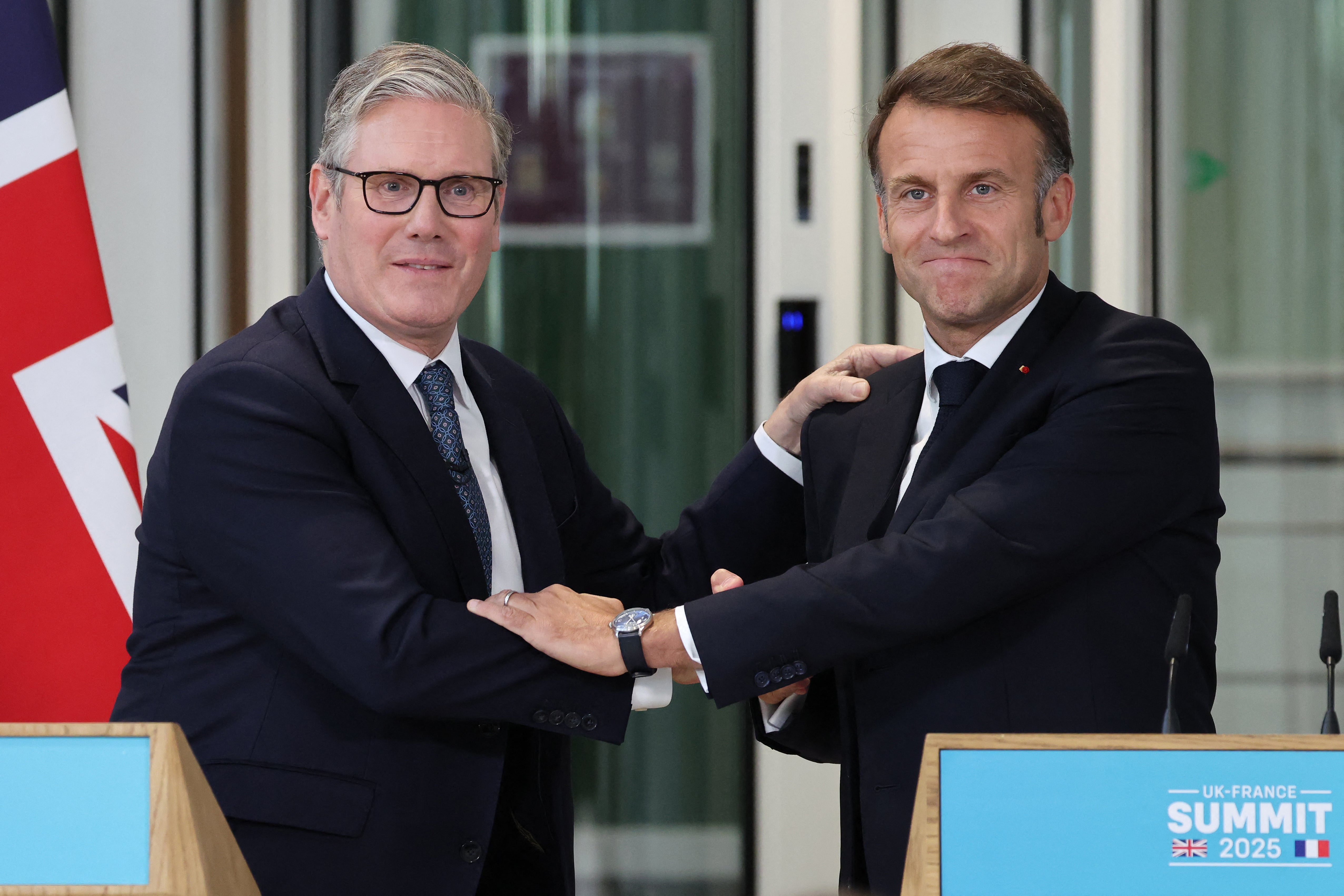
The United Kingdom and France have unveiled a new pilot migration accord that aims to reshape cross-Channel migration controls in the post-Brexit era, as both countries contend with record levels of irregular migration and mounting political pressure to toughen border security.
Breakthrough Following Brexit Tensions
French President Emmanuel Macron and UK Prime Minister Keir Starmer announced the “one-in, one-out” agreement at the Northwood military base in West London on Thursday, describing it as a breakthrough following years of stalled negotiations since the UK’s departure from the European Union. The deal reverses some of the border fluidity lost after Brexit, which Macron said had previously made it harder to cooperate on returning migrants and fighting people smuggling gangs.
“Voters were sold a lie when they were told Brexit would make it easier to address illegal immigration,” Macron said pointedly during the press conference. “The absence of a returns agreement with the EU has incentivized dangerous crossings, the exact opposite of what was promised.”
How the ‘One-in, One-out’ Scheme Works
Under the arrangement, for each small boat migrant returned from the UK to France, the UK will accept an asylum seeker from France through a legal resettlement route. The initial phase will act as a pilot, with operational details to be refined as it progresses. While French reports suggest the pilot could involve as few as 50 returns per week, this remains dwarfed by the latest Home Office data, showing an average of 782 arrivals weekly and a running total of over 21,000 Channel-crossers this year—a record for this point in 2025.
Yvette Cooper, the UK Home Secretary, emphasized that the numbers involved in the initial pilot are not fixed and will depend on “operational factors”. “This will be a programme that we roll out step-by-step, and we will provide updates as we go. But we are going to do this in a steady way,” she told Times Radio, underscoring the exploratory nature of the agreement.
Migrant Smuggling Gangs Exploit Uncertainty
Both governments say the primary aim is to undercut people smuggling gangs, who have profited from Brexit’s legal ambiguities and lured vulnerable migrants into perilous journeys. Cooper noted that smuggler gangs have repeatedly manipulated political and regulatory uncertainty for profit—first urging migrants to act before Brexit, then exploiting the lack of EU returns arrangements to claim migrants could not be sent back post-Brexit.

“The way that the criminal smuggler gangs operate is that they will weaponise anything that is happening,” said Cooper. “Whatever arrangements are in place, they will use them to make money. That’s why we have to be fundamentally undermining their model.”
Political Repercussions and Brexit Debate
Macron’s remarks questioning the Brexit campaign narrative have reignited debate over the true impact of the UK’s departure from the EU on immigration policy. While Brexit advocates claimed it would grant the UK greater control over its borders, critics and European leaders argue it severed vital information-sharing and migrant returns protocols, resulting in greater operational challenges.
Despite repeated questioning, Cooper avoided openly endorsing Macron’s view. Instead, she reiterated the UK government’s focus on results-driven cooperation and operational flexibility. “The numbers are not fixed, even for this pilot phase that we are starting now,” she said, indicating that the programme would remain under close review.
Details Remain Unclear
Crucially, neither side has disclosed definitive figures on how many migrants will be returned under the new agreement, with the Home Office and French Interior Ministry citing ongoing technical negotiations and pilot evaluation. Media reports from France referenced the small scale of the scheme compared to the scale of crossings—roughly 50 per week initially versus hundreds of arrivals. The two leaders, however, expressed hope that even in limited volume, the deal’s symbolic value and practical cooperation would act as a deterrent.
UK Prime Minister Keir Starmer called the arrangement a “breakthrough moment” that would “turn the tables on the people smugglers and traffickers” responsible for fueling the Channel crisis. “By working closely with France, we are sending a clear message that dangerous, illegal journeys will not succeed, while maintaining safe and legal routes for those in genuine need,” Starmer said.
European Migration in Context
The Channel crossings crisis continues to dominate both UK and French politics. The International Organization for Migration and the UK’s National Crime Agency report that over 102,000 people have attempted the treacherous crossing since 2018, with 2025 likely to set a new record. The deadliest crossings and frequent small boat tragedies have intensified pressure for cross-border solutions and accountability for smuggling networks.
Meanwhile, the EU has pressed the UK for closer cooperation, given the post-Brexit loss of agreements such as the Dublin Regulation that previously governed asylum responsibility. European policymakers welcomed the UK-France pilot as a “positive first step” but stressed the need for sustainable, scalable arrangements together with proactive humanitarian support.
What Happens Next?
The pilot will launch immediately, according to both governments, with ongoing monitoring and public updates promised. If successful, officials hope it could be scaled up or used as a template for further cross-channel or pan-European returns agreements. Human rights groups caution that returns must comply with international asylum standards, and that safe, legal routes remain crucial for protecting those fleeing war and persecution.
As the UK-French deal commences in earnest, scrutiny now turns to the practical results—and whether this bilateral breakthrough can help restore order and confidence to one of Europe’s most sensitive and politicized borders.


