
UK and US Forge Strategic Partnership to Build Modular Nuclear Reactors in Britain
Date: 15 September 2025
The United Kingdom and the United States have entered a transformative partnership to pioneer the construction of small modular nuclear reactors (SMRs) across Britain. This ambitious initiative marks a significant step toward the UK’s net-zero ambitions by 2050 and strengthens transatlantic collaboration in clean energy technologies.
Hartlepool at the Forefront of Nuclear Innovation
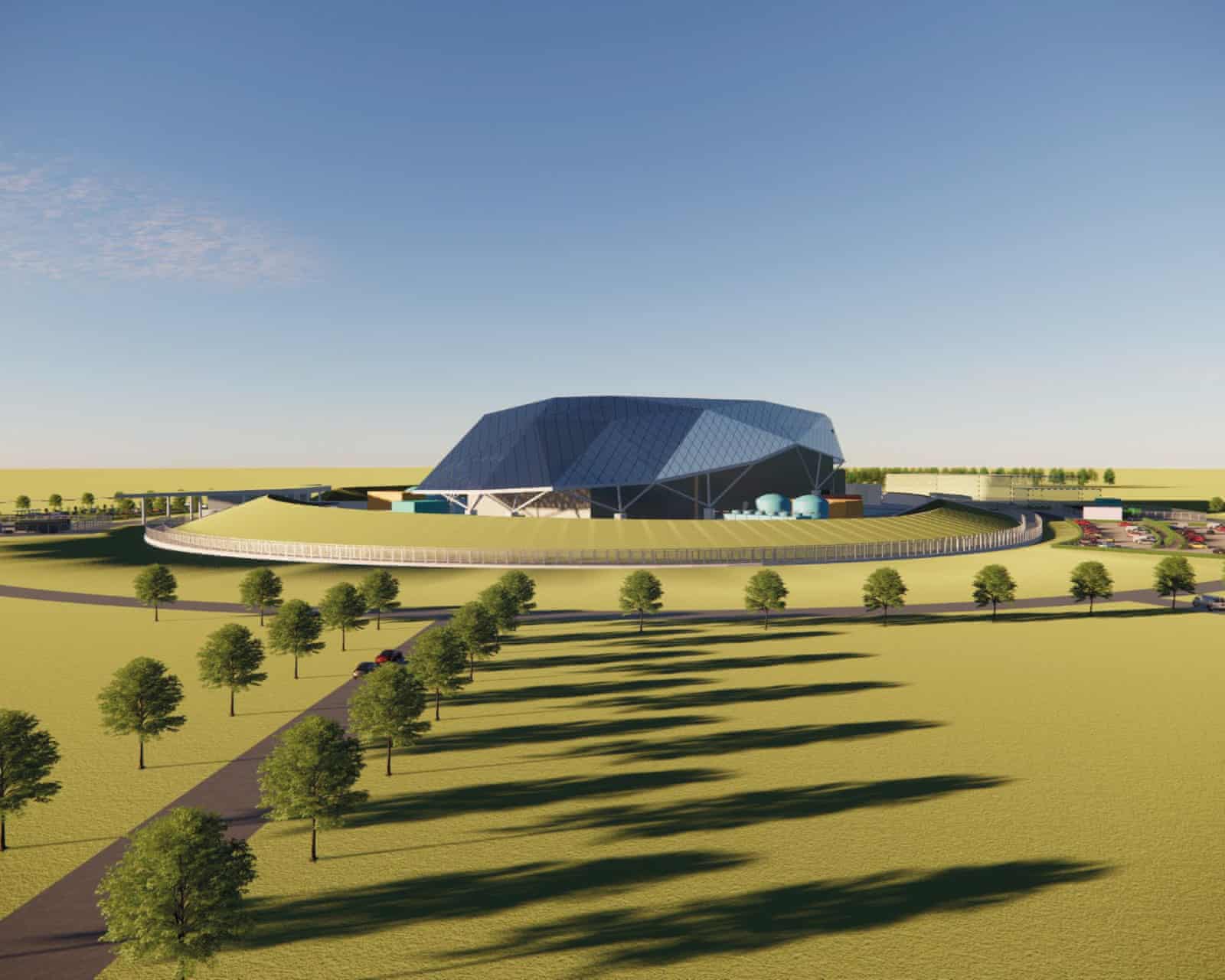
The heart of this joint endeavor is a landmark project in Hartlepool, where the UK government, in collaboration with Centrica and leading American energy partners, has outlined plans to build 12 modular reactors. The development, anticipated to generate approximately 2,500 jobs, will provide a major boost to the regional economy, including both skilled and entry-level opportunities in the engineering and energy sectors.
According to the terms of the agreements announced this week, the proposed reactors will leverage cutting-edge designs from companies like Rolls-Royce SMR and Westinghouse Electric Company. This strategic move underscores the UK’s ambition to revitalize and expand its energy infrastructure while reducing dependency on imported fossil fuels, aligning with global decarbonization goals.
Fast-Tracking Nuclear Safety Approvals
A standout aspect of the UK-US nuclear partnership is the decision to expedite safety and regulatory approvals through mutual recognition of standards and increased collaboration between the UK Office for Nuclear Regulation (ONR) and the US Nuclear Regulatory Commission (NRC). This move is expected to considerably reduce project lead times and ensure both safety and innovation are prioritized.
Experts in nuclear safety and artificial intelligence have pointed out that advanced digital technologies and AI-powered monitoring systems will be integral to the next generation of nuclear sites. AI will help analyze reactor diagnostics, optimize performance, and detect potential anomalies in real-time, further enhancing operational safety and public confidence.
Economic and Environmental Impacts
The modular nuclear reactor initiative forms a cornerstone of the UK’s updated clean energy strategy, which was unveiled earlier this year. As the country seeks secure, locally-generated, low-carbon electricity, SMRs offer key advantages over traditional gigawatt-scale reactors. SMRs are factory-fabricated, cost-effective, and have a smaller physical footprint—making them suitable for a wider array of sites and communities.
The UK currently generates around 16% of its electricity from nuclear power, but most existing plants are due to retire within the next decade. Investing in SMRs is critical not only for maintaining energy security but also for achieving climate targets. Government officials estimate that by 2040, SMRs could supply an additional 20–30% of Britain’s energy demand, with global market projections for SMRs reaching over $150 billion by 2035, according to the International Energy Agency.
Transatlantic Collaboration and Global Leadership
The partnership also has geopolitical and industrial significance. By working closely with the US, the UK stands to benefit from best-in-class technologies, robust supply chains, and shared research expertise. US Secretary of Energy, Jennifer Granholm, praised the agreements, stating, “Transatlantic collaboration in next-generation nuclear is an essential pillar for global energy security and combating climate change.” British Energy Secretary, Ed Miliband, echoed this sentiment, highlighting the UK’s potential to become an international hub for SMR design, manufacturing, and export.
Rolls-Royce has committed to expanding its Derby facility, creating hundreds of specialized roles, while Centrica has announced recruitment drives across northern England. US-based Westinghouse is set to provide reactor cores and digital safety systems, further cementing bilateral trade in the clean tech sector.
Local Community and Workforce Development
The Hartlepool site is expected to serve as a model for future SMR deployments. Local colleges and technical institutes are partnering with Centrica to develop tailored training programs and apprenticeships, addressing the anticipated demand for nuclear engineers, safety specialists, and operations managers. The government’s North East Skills Fund will provide support for STEM outreach to underrepresented groups, ensuring broad access to careers in the energy transition.
Challenges and Future Outlook
Despite the promise of modular reactors, challenges remain. Financing mechanisms are still being negotiated, with a mix of public and private investment expected. Public engagement and transparent communication will be central to winning support, especially in regions with historic skepticism toward nuclear power. Environmental advocates are urging thorough impact studies and calls for robust waste management solutions remain.
Nevertheless, the UK-US SMR agreement is being hailed by industry analysts as one of 2025’s most consequential international clean energy deals. Streamlined regulatory pathways, technology transfer, and workforce investment are expected to accelerate Britain’s progress to a net zero, resilient, and innovation-driven energy system.
Conclusion
As the UK lays the foundation for a new era of modular nuclear generation, the partnership with the US is set to shape not only the national energy landscape but the global trajectory of safe, flexible, and efficient nuclear power. With the first reactors targeted to break ground by 2027 and commercial operation possible by the early 2030s, Britain is positioning itself as a world leader in next-gen clean energy — combining the strengths of Anglo-American innovation, regulatory excellence, and local workforce development.


