
Union Pacific Seeks $85 Billion Merger with Norfolk Southern, Paving Way for First U.S. Transcontinental Railroad
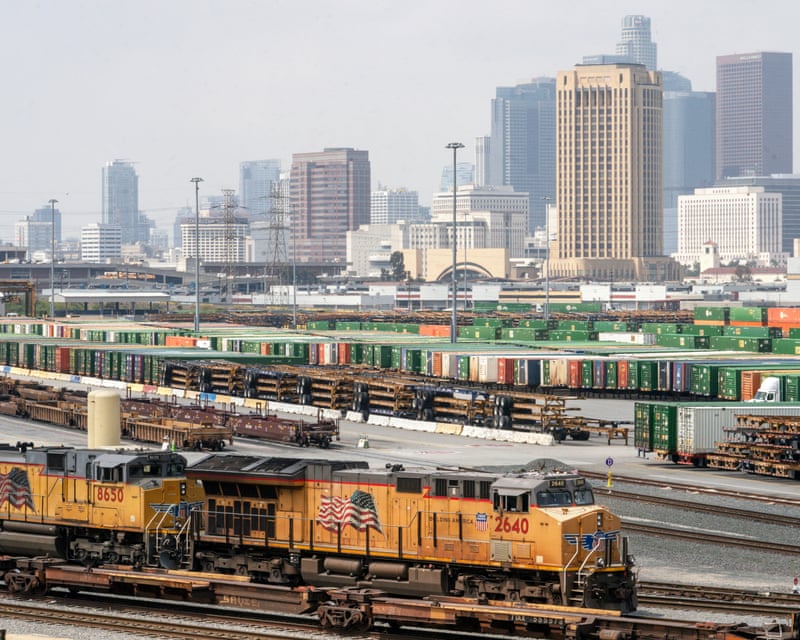
Union Pacific Corporation has formally launched an $85 billion bid to acquire Norfolk Southern Corporation, a landmark deal that, if approved, would create the United States’ first coast-to-coast rail network. The proposed transaction, combining Union Pacific’s western rail dominance with Norfolk Southern’s extensive reach through the eastern U.S., would result in a rail company valued at more than $200 billion, fundamentally reshaping the American freight rail landscape.
Deal Details and Strategic Implications
Announced late July 2025, the move reflects growing pressures for efficiency, expansion, and competitive positioning among North America’s largest rail operators. Under the terms of the offer, Norfolk Southern shareholders would receive a mix of cash—$88.82 per share—for each Norfolk Southern share, along with one share of Union Pacific stock. This values Norfolk Southern at roughly $320 per share, a premium on its recent closing prices, and suggests significant confidence in the merger’s potential for value creation.
Union Pacific’s market response was positive, with shares rising nearly 2% to $231.03, while Norfolk Southern shares fell modestly in anticipation of regulatory headwinds and deal uncertainty.
Industry Impact: A Final Wave of Consolidation?
If completed, the combined company would operate an unparalleled rail network, eliminating the need to hand off shipments in the nation’s interior and promising faster, more reliable routes for bulk commodities such as lumber, plastics, steel, agricultural products, and consumer goods. Industry observers say this could lower costs and improve on-time deliveries for key sectors, benefiting shippers across manufacturing, agriculture, and energy.
The deal could also precipitate a new era of consolidation among the remaining major rail players. BNSF Railway, owned by Warren Buffett’s Berkshire Hathaway, and CSX, the leading competitor in the eastern U.S., would face formidable competitive pressure to consider their own strategic combinations. Canadian National and the recently combined Canadian Pacific Kansas City (CPKC)—which resulted from a $31 billion merger approved in 2023—could also be drawn into the race to maintain parity.
Regulatory Hurdles: Antitrust in the Spotlight
Notwithstanding the strategic appeal, the path to regulatory approval is far from certain. The U.S. Surface Transportation Board (STB), which oversees the railroad industry, maintains rigorous antitrust standards after past consolidations led to major shipment delays and traffic snarls. Notable missteps include Union Pacific’s 1996 merger with Southern Pacific and the 1999 three-way split of Conrail between Norfolk Southern and CSX, both of which triggered network disruptions that reverberated through supply chains for years.
While the STB approved the Canadian Pacific–Kansas City Southern combination in 2023, analysts underscore key differences. That deal involved the two smallest Class I railroads and primarily tied together Canadian, U.S., and Mexican markets, enhancing cross-border trade efficiency. In contrast, the Union Pacific–Norfolk Southern tie-up would fuse two of the largest railroads domestically, potentially reducing network redundancy and competitive choices for shippers.
Potential Concerns:
- Market power and freight rates for critical transportation corridors
- Impairment of competition and service quality for smaller shippers
- Risk of cascading industry-wide mergers resulting in only two or three dominant carriers
- Operational risks in merging complex, already optimized networks
It is expected that the STB will seek robust commitments from the merging parties, such as track access assurances for rival operators, service quality guarantees, and regular reporting of traffic flows. Political scrutiny in Congress and among state-level stakeholders is also anticipated, given the vital role rail plays in supporting U.S. economic and national security interests.
Mega-Deal Dynamics: The Stakes for Investors and Competitors
The potential costs and synergies are significant. Combined, the two railroads serve nearly every major port, manufacturing cluster, and agricultural region in the U.S., with more than 50,000 miles of track. The new entity would also stand to benefit from economies of scale in technology, rolling stock procurement, crew training, and intermodal handling, while providing shippers with single-line service that could reduce handoff times by days.
If approved by regulators, the deal would challenge BNSF, currently the largest U.S. railroad, and CSX to respond. Warren Buffett, whose Berkshire Hathaway holds nearly $350 billion in cash reserves, may see BNSF active in future dealmaking, although Buffett himself has tempered market speculation. In interviews this year, Buffett suggested a careful approach, underscoring that any such merger would require compelling long-term economic rationale—not just reactive scale-building.
Timeline and Approval Process
Union Pacific and Norfolk Southern anticipate submitting their formal application to the STB within six months. Following submission, the review process could extend into early 2027, reflecting the scrutiny such a transformative deal will attract. Recent signals from Washington suggest the Biden administration and Congress are prepared to closely monitor any mega-mergers, especially in sectors vital to infrastructure and supply chains.
Should the deal succeed, it will mark the culmination of a consolidation wave that has shrunk the U.S. rail industry from more than 30 major carriers in the 1980s to just six today. The integration of operations, technology platforms, and workforces will present challenges but also offer the prospect of a more integrated, resilient, and competitive American freight rail network.
What Lies Ahead for the U.S. Rail Industry?
More than just a corporate realignment, the proposed merger is likely to reshape everything from U.S. trade flows and logistics patterns to labor dynamics, capital investment, and environmental planning. Experts will closely watch commitments around workforce retention, infrastructure investment, and competitive safeguards. With global supply chains evolving fast—especially post-pandemic—the race for greater efficiency through consolidation is set against demands for network resilience, flexibility, and public accountability.


