
Voice Actors Push Back as AI Threatens Dubbing Industry
Date: July 30, 2025 | Source: Reuters
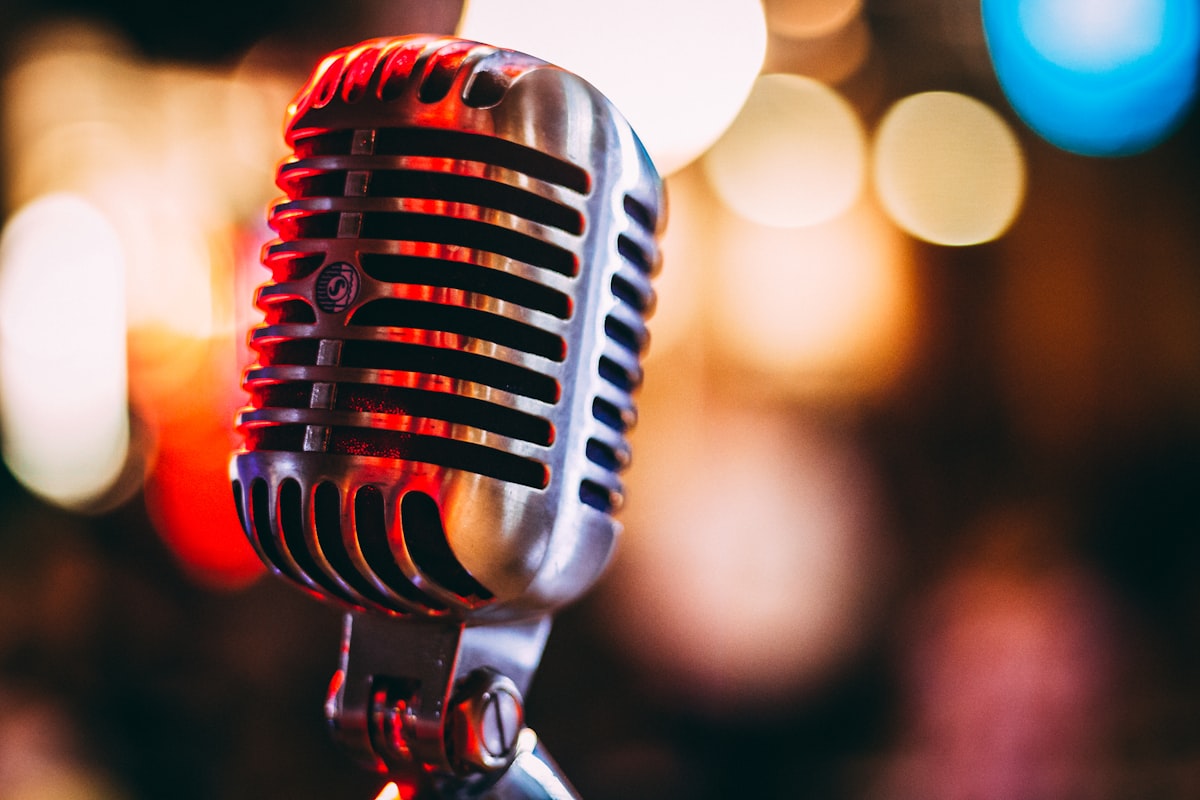
As artificial intelligence (AI) technology continues to advance at breakneck speed, its applications are increasingly encroaching upon creative industries, with the dubbing sector emerging as the latest battleground. Voice actors across Europe and around the world are ringing alarm bells over the proliferation of AI-generated voices, warning that the very essence and artistry of their craft is under threat.
AI-Generated Voices: Sophisticated, Efficient—and Disruptive
Recent developments in generative AI—particularly in natural language processing and voice synthesis—have enabled the creation of deeply realistic and expressive synthetic voices. Companies such as ElevenLabs, Respeecher, and WellSaid Labs are licensing AI-powered systems to media producers eager to lower costs and expedite localization for global audiences. This automation promises to cut expenses and speed up dubbing timelines for movies, TV series, and gaming content.
However, this efficiency comes with serious consequences for thousands of professional voice actors who have traditionally brought authenticity, emotional nuance, and cultural adaptation to localized productions. According to data from the European Association of Voice Actors (EAV), the European dubbing market is valued at over $1.5 billion, supporting tens of thousands of creative jobs. With sophisticated AI models trained on vast voice datasets—sometimes scraped without sufficient consent—industry participants fear a wave of job losses and a deterioration in artistic quality.
European Lobbying for Regulation Intensifies
In response to the rapid deployment of AI voices in the media and entertainment industry, voice actor unions and creative rights organizations have been intensifying their calls for regulatory clarity and oversight from European authorities. One major concern is the unauthorized adaptation or “cloning” of performers’ voices, frequently without fair compensation or explicit consent. Another involves the potential use of actors’ entire back catalogues to generate AI-dubbed versions of new works—raising significant copyright and ethical questions.
The European Union has recently enacted the AI Act, which establishes rules for transparency, data use, and accountability in AI technologies. As implementation begins, associations such as the European Dubbing Council are lobbying for further provisions to specifically protect voice artists, mandate clear consent requirements, and ensure fair remuneration when synthetic voices are used.
Global Trends: Similar Concerns in the U.S. and Asia
The debate over AI in dubbing is not confined to Europe. In the United States, voice actors’ unions such as SAG-AFTRA (Screen Actors Guild – American Federation of Television and Radio Artists) have negotiated for stronger contract protections regarding voice data and synthetic performance rights, especially as Hollywood studios and video game giants explore AI-driven localization. In Asia, widespread use of AI dubbing tools is raising parallel concerns, particularly in the rapidly growing anime, film, and K-drama markets.
Major streaming platforms, including Netflix and Amazon Prime Video, have both increased the share of dubbed and localized content in non-English markets, driving demand for highly scalable voice solutions. While AI offers a technological fix for volume, the receding participation of professional actors could reduce the cultural authenticity and quality that audiences expect.
Industry Pushback: Artistry vs. Automation
Voice actors contend that their performances cannot be entirely replicated by even the most advanced AI, pointing to subtle qualities such as emotion, timing, and improvisation. “While AI can mimic tone and cadence, it lacks the lived experience and interpretative skill that a human brings to each character,” said Katja Westermann, spokesperson for the German Dubbing Artists Guild, in an interview earlier this year.
In response, some technology firms are launching initiatives to ensure ethical data use. For example, Respeecher recently introduced consent management features, while ElevenLabs is piloting a profit-sharing program for contributing artists. Such steps are welcomed by some unions, but industry leaders argue they must become the norm, not the exception.
Copyright, Consent, and the Future of Dubbing
Underlying the debate is a fundamental question: Who owns a performer’s voice in the era of infinitely reproducible AI? Legal experts expect a surge in copyright litigation as actors seek compensation for unauthorized AI-driven use of their performances. Meanwhile, copyright offices in Europe, the United States, and Asia-Pacific are reviewing guidelines to clarify how synthetic voices derived from a performer’s catalogue should be protected.
Increasing public awareness of “deepfake” risks and the potential misuse of AI-synthesized voices—ranging from misinformation to scams—adds urgency to the regulatory push. Some EU proposals call for distinctive labeling of AI-generated dubbing and require that all original artists provide explicit, opt-in consent for voice cloning technologies.
The Road Ahead: Collaboration Over Confrontation?
As generative AI continues to disrupt creative industries, a middle ground may be possible. Several dubbing studios are experimenting with hybrid models that combine AI automation for minor roles and background parts, while reserving complex performances for human actors. Others are investing in training voice professionals to collaborate with AI, using technology to augment rather than replace their work.
Ultimately, the success of this new paradigm will depend on robust regulation, ethical technology development, and fair economic participation for artists. As European regulators and industry leaders debate the fine print of new rules, the outcome could set a precedent for creative sectors worldwide facing the rise of generative AI.
Conclusion: The transformation of the dubbing industry through AI offers clear efficiencies, but raises profound questions about the preservation of creative human work. The unfolding regulatory and industry landscape over the next several years will determine whether voice actors remain central to, or gradually sidelined in, the vibrant global dubbing industry.


