
Warren Buffett’s Surprising Response to His Most Successful Investment Ever Is a Lesson For Every Leader
By Jason Aten | August 17, 2025
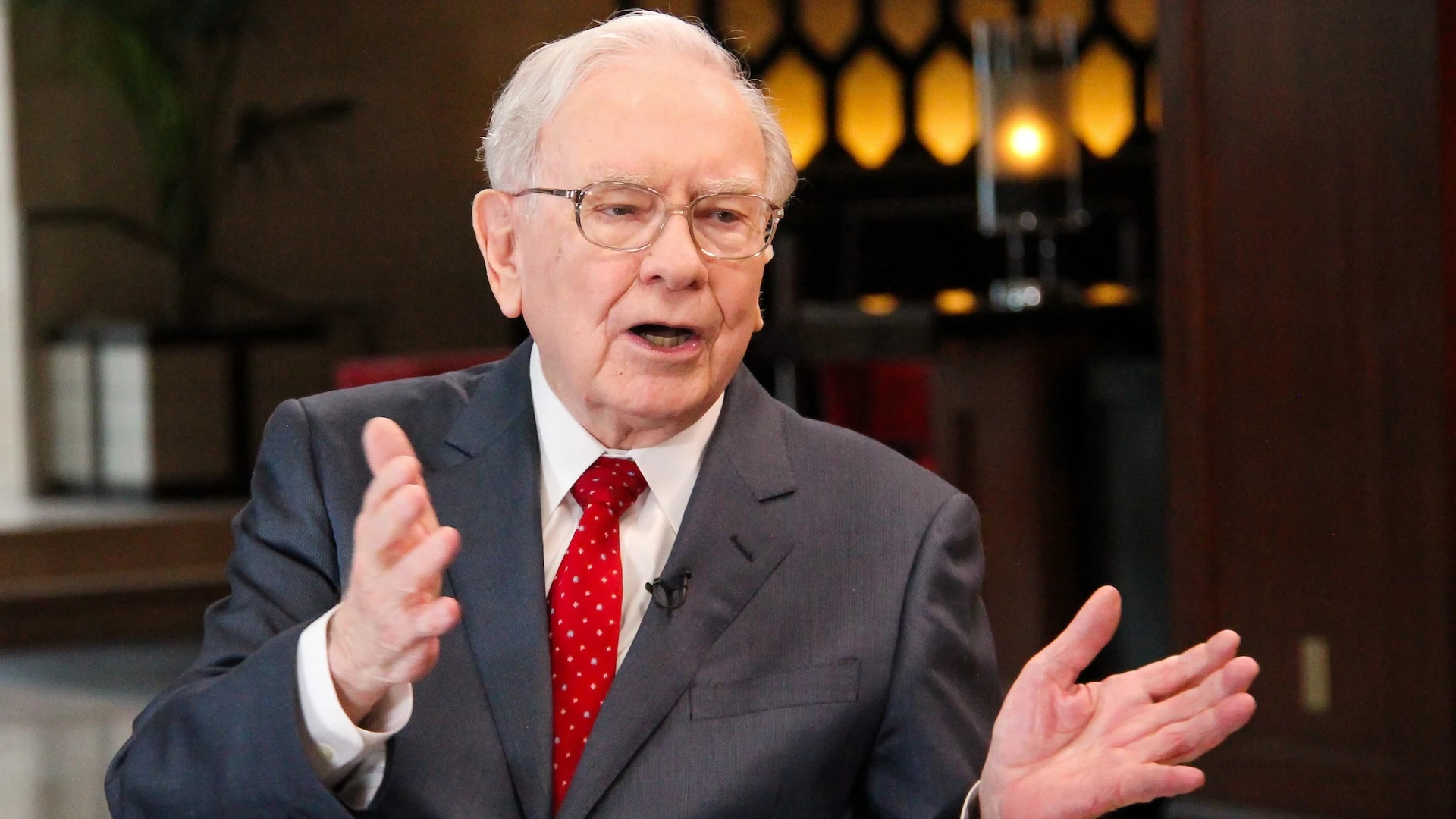
Warren Buffett, chairman and CEO of Berkshire Hathaway, continues to demonstrate disciplined leadership through strategic decisions—even when it comes to his most successful investment.
Berkshire Hathaway Sells $4 Billion in Apple Shares
In its latest quarterly filing, Berkshire Hathaway revealed the sale of approximately 20 million Apple shares in the second quarter of 2025, valued at over $4 billion. Although this represents about 6.7% of Berkshire’s total Apple stake, the holding remains the largest in the conglomerate’s portfolio, accounting for nearly 40% of its total equities. Post-sale, Berkshire still possesses around 280 million Apple shares, highlighting Buffett’s enduring confidence in the technology giant.
This is not an isolated instance. Since 2024, Berkshire Hathaway has quietly trimmed its Apple position, even as the iPhone maker’s market capitalization hovers above $3 trillion, making it the most valuable public company in the world. Despite these sales, Buffett and his management team have repeatedly emphasized their deep admiration for Apple’s business model and CEO, Tim Cook, whom Buffett lauds as a “sensational manager.”
Buffett’s Deep Admiration for Apple—and His Discipline
Buffett’s relationship with Apple defies his historically cautious approach to technology investments. Berkshire began amassing Apple shares in 2016, quickly growing the stake to become a cornerstone of its portfolio. Buffett has called Apple “probably the best business I know in the world,” noting its unrivaled global brand, customer loyalty, and robust ecosystem of services and devices.
“Tim Cook has made Berkshire a lot more than I have made Berkshire,” Buffett quipped during Berkshire’s 2025 annual meeting, drawing laughter and underscoring the immense value Apple has delivered to shareholders.
Yet, for all of his praise, Buffett has not hesitated to reduce the firm’s exposure to Apple. This detachment from sentimentality is rooted in his primary fiduciary responsibility: protecting and growing the company’s capital while minimizing avoidable risks.
Why Sell? The Logic Behind Trimming Apple
The rationale for reducing exposure to Apple—despite its continued dominance—is grounded in prudent risk management and portfolio diversification. Apple’s success meant it had grown to an outsized portion of Berkshire’s equity holdings. “If something goes wrong there, it’ll affect Berkshire more than any other stock,” Buffett has explained in previous commentary.
By trimming the stake, Buffett decreases the risk associated with overconcentration in a single company, even one as reliable as Apple. It’s a principle consistent with his broader philosophy, reflected in long-term holdings like Coca-Cola and American Express, which he has maintained for decades—but for which he’s also adjusted position sizes as needed.
Berkshire’s Expanding Investment Horizon
Buffett isn’t merely moving away from Apple—he’s reallocating Berkshire’s capital into new opportunities. The same quarter saw the conglomerate buy $1.6 billion in UnitedHealth stock, as well as increased stakes in homebuilders like D.R. Horton and Lennar, steelmaker Nucor, Domino’s Pizza, Chevron, and others. This diversification effort comes as Berkshire’s cash reserves reach a record $344 billion—showcasing not just discipline, but readiness to seize future opportunities, including buybacks or acquisitions if markets become turbulent.
Berkshire’s ability to deploy capital in new directions while maintaining substantial exposure to its best performers is a hallmark of Buffett’s consistent, adaptable investment approach.
The Leadership Lesson: Discipline Over Sentiment
Buffett’s decision holds important lessons for CEOs, business leaders, and investors alike. The temptation to double down on past successes can be strong, but leadership requires an ongoing assessment of risk and the humility to rebalance—even at the expense of sentiment. Buffett’s willingness to trim positions, even in his most successful investments, is a testament to his commitment to company-wide stability over emotional loyalty to any single stock.
The paradox of success, as Buffett illustrates, is that it can foster complacency. Leaders must distinguish between what made them successful and what might sustain that success in the future. According to a 2024 McKinsey study, companies that regularly reassess and rebalance their strategies outperform stagnant peers by as much as 30% over a decade.
Looking Ahead: Apple Remains Core, but Not Untouchable
Despite trimming its position, Berkshire remains one of the largest shareholders of Apple, and Buffett continues to express confidence in its long-term prospects. Apple, with record-high cash flows and a strong services business, recently reported quarterly revenues exceeding $90 billion, and continues its aggressive stock buyback program—returning immense value to shareholders like Berkshire.
Yet, as the economic landscape evolves—amid rising interest rates, global technological disruption, and policy shifts—Buffett’s strategy reinforces the need to be nimble, disciplined, and forward-looking. For leaders, the message is clear: the best way to protect past gains is to remain objective and proactive, always preparing for what comes next, even if it means moving away from your most beloved winners.


