
What to Know About New $250 “Integrity Fee” for US Tourist Visas
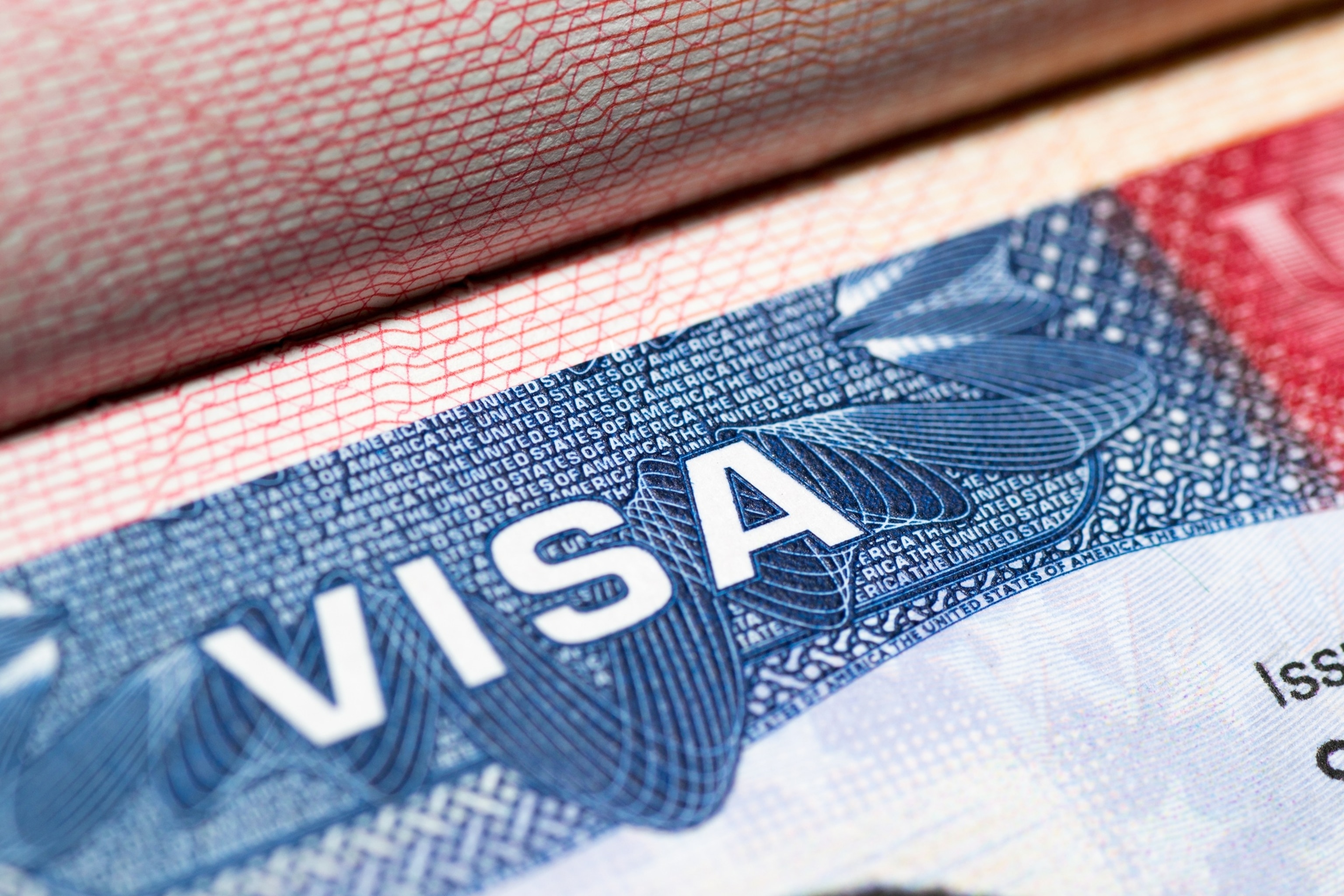
Beginning later this year, foreign visitors hoping to enter the United States on a tourist visa will face a significant new cost: a $250 “visa integrity fee.” Announced by the U.S. Department of State in July 2025, the policy is officially intended to offset increased administrative and security screening costs associated with processing B-1/B-2 (visitor for business or pleasure) visa applications. However, the move is already generating both concern and confusion within the travel industry and among would-be visitors around the world.
How the New Fee Works
According to the State Department, the $250 integrity fee will be levied on most non-immigrant tourist visa applicants, typically in addition to existing MRV application fees, which currently stand at $185. The new charge, set to take effect in September 2025 barring legal or legislative obstacles, will apply for each applicant, regardless of age or country of origin, unless subject to official waivers or exemptions. This means that a typical family of four could face a total visa-related bill of $1,740 plus additional costs, before even purchasing travel.
The stated purpose is to strengthen vetting, support technology upgrades, and fund enforcement measures to crack down on visa overstays, fraud, and abuse. The Department of State says the funding is necessary as U.S. consular sections worldwide confront record numbers of applications and renewed pressures to balance security with boosting post-pandemic travel levels.
Potential Impact on Tourism and Global Events
The new integrity fee arrives at a critical moment for U.S. tourism. The nation is poised to host major global events in the next several years, including the 2026 FIFA World Cup and the 2028 Summer Olympics in Los Angeles, which are expected to draw millions of foreign visitors. The United States is also seeking to restore inbound tourism numbers after the COVID-19 pandemic caused severe declines; the National Travel and Tourism Office (NTTO) projects that international arrivals may only return to 2019 levels by 2026.
Travel industry advocates—including the U.S. Travel Association and the American Society of Travel Advisors—have warned that the new fee could have a chilling effect on inbound travel, particularly from price-sensitive markets across Latin America, Africa, and Southeast Asia. In 2023, the U.S. welcomed about 67 million international visitors, down from a peak of nearly 80 million in 2019. Industry observers note the U.S. is already among the most expensive destinations for travelers requiring visas, which can involve not only fees, but trips to distant consulates and lengthy waits for appointments.
“Each additional expense—and now a $250 integrity fee—risks deterring some families, students, and business professionals from choosing the U.S., especially when competing destinations are making it more affordable and easier to visit,” said Geoff Freeman, President and CEO of the U.S. Travel Association, in a recent statement.
Reasons Behind the New Policy
U.S. officials have pointed to persistent problems surrounding visa overstays and identity fraud as the key logic behind the additional cost. According to U.S. Customs and Border Protection’s Fiscal Year 2024 Entry/Exit Overstay Report, approximately 684,000 people with expired non-immigrant visas were present in the U.S. at the end of the reporting period—a figure policymakers say demonstrates insufficient deterrence and increased costs for law enforcement.
The Department of State anticipates that money collected through the integrity fee will fund biometric system upgrades, consular interview enhancements (including video verification and multi-factor authentication), additional fraud personnel, and expanded digital infrastructure to speed up application processing and identification. Officials also claim that part of the proceeds will support visa waiver modernization and secure travel programs that benefit frequent travelers and business visitors.
Who Will Be Affected?
The fee will apply to most applicants for U.S. visitor visas, including those attending leisure, family, or short-term business trips. Notably, it does not apply to individuals from Visa Waiver Program (VWP) countries, who travel under the Electronic System for Travel Authorization (ESTA). Citizens of more than 40 mostly European and developed Asian nations will remain eligible to travel visa-free for tourism or business for up to 90 days.
However, for travelers from high-growth tourism markets such as Brazil, India, China, Nigeria, and much of Latin America—where U.S. visa requirements remain in force—the fee could pose a significant financial barrier. The World Tourism Organization and World Travel & Tourism Council have both identified simplified visa processes and reduced costs as leading drivers of international travel growth.
Industry Reaction and Next Steps
While some voices in Congress back the move as essential for national security, leading hospitality and tourism organizations have called for reconsideration, especially as the U.S. faces heightened competition for global tourists from Europe, Asia, and the Middle East. Some airlines and destination marketing organizations fear reduced visitor spending, which in 2024 generated more than $214 billion in export income and 7.6 million jobs, according to the U.S. Commerce Department.
The Department of State states that it will review public comments received in the Federal Register during a 60-day window prior to the rule taking effect, leaving open the possibility of flexibility or adjustments to the program. Travel advisors urge all potential visitors to track updates through official consular websites and begin the application process early, as both processing times and new fees could complicate travel plans—especially ahead of major events like the World Cup.
Tips for Travelers
- Check your country’s U.S. visa requirements as early as possible, as fees and documentation change regularly.
- Plan for longer appointment lead times and higher total costs, especially for group or family travel.
- Monitor updates from official sources such as travel.state.gov for the latest fee schedules and possible exemptions.
- Consult with travel agents or immigration professionals if you have complex travel scenarios or need clarification.
As the effective date approaches, the international travel community will be watching closely to measure how the new “integrity fee” shapes the U.S. tourism landscape—and whether it delivers the promised security benefits without slowing the pace of global visitor flows.


