
India’s Ixigo Raises $146 Million from Prosus to Push AI-Led Growth
By Peden Doma Bhutia | October 10, 2025
Major Cash Infusion Fuels Tech Ambitions
Indian online travel platform Ixigo has raised a substantial $146 million funding round led by Dutch investment giant Prosus, marking one of the largest private investments in India’s digital travel sector this year. The new funds will empower Ixigo to accelerate its development of artificial intelligence features, enabling it to meet evolving traveler needs and anticipate future industry trends. The capital raise is a testament to investors’ growing conviction in software-driven disruption within the travel space, even as consumer tastes and expectations rapidly evolve in the world’s most populous country.
With this round, Ixigo joins the ranks of well-funded Indian tech companies pursuing ambitious digital and AI strategies, following in the footsteps of competitors such as MakeMyTrip and Yatra, both of which have made recent investments in technology and marketing expansion. Prosus is joined in this round by other prominent backers including Info Edge Ventures and Elevation Capital, all seeking to tap into India’s massive and growing base of digital-first travelers.
AI: The Next Battleground in Online Travel
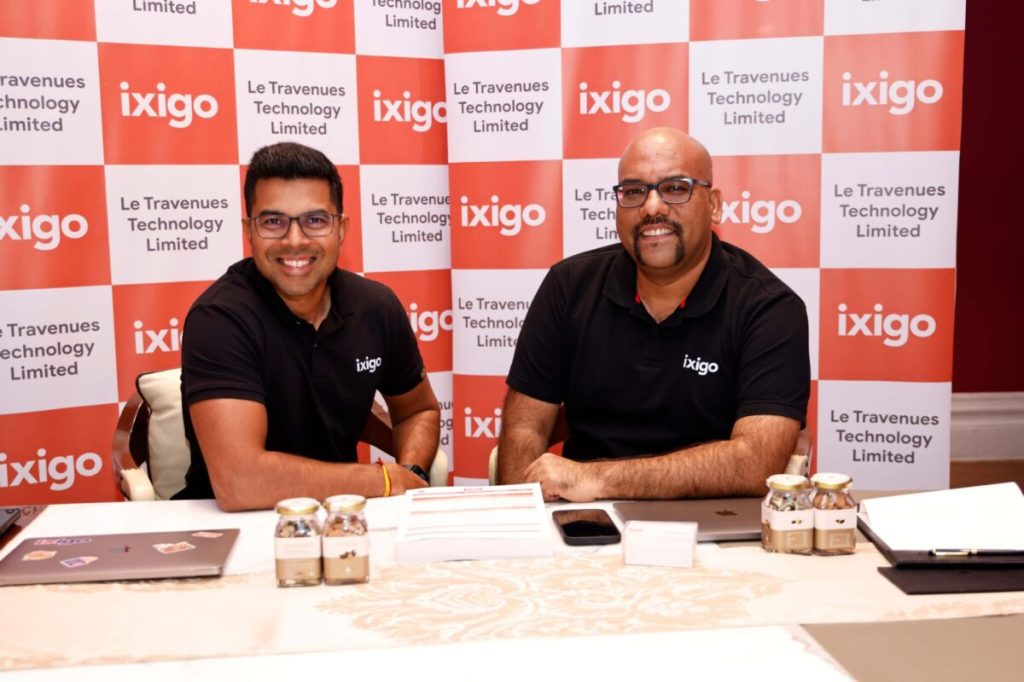
Ixigo’s founders, Aloke Bajpai (Chairman, MD, and Group CEO) and Rajnish Kumar (Group Co-CEO), are betting that artificial intelligence will dramatically reshape online travel by making search, booking, support, and personalization “as easy as talking to a friend.” According to Bajpai, “AI-led platforms will turn apps into genuine personal travel assistants, guiding, advising and supporting users across every part of their journey.”
Already, Ixigo leverages machine learning and data analytics to power its multi-modal search, fare prediction, and alternative route recommendations for trains, flights, and buses. In 2024, Ixigo introduced AI-powered chatbots for real-time support and recently started offering voice-enabled booking for certain routes—a move that has resonated especially in tier-2 and tier-3 Indian cities, where literacy and language support are key factors for mass adoption.
A Booming Market—and Intensifying Competition
The Indian online travel sector is expected to surge to nearly $50 billion by 2028, fuelled by rising internet penetration, expanding middle class, and a renewed appetite for domestic and international travel following the pandemic. Ixigo claims over 80 million monthly active users, making it one of India’s most downloaded travel apps. The company has become especially popular with value-conscious travelers looking for affordable flights, trains, and buses, and is distinct in how it bundles multiple travel modes into one unified experience.
However, competition remains fierce. Industry leader MakeMyTrip has doubled down on innovation with dynamic packaging, while EaseMyTrip and global giants like Booking.com and Expedia are also ramping up India presence. Ixigo’s war chest signals its intent to not just defend its turf, but potentially leapfrog rivals by capitalizing on AI’s transformative potential.
IPO Hopes and Profitability Prospects
Ixigo’s raise could also revive buzz around its long-anticipated initial public offering (IPO). The company filed for an IPO in 2021 but deferred plans amid market volatility and regulatory uncertainty. With sustained profit growth—Ixigo reported net profits of ₹23 crore (approx. $2.75 million) for the fiscal year ended March 2024—and a bullish funding environment, industry sources see renewed momentum for a potential stock market debut in 2025 or 2026.
The company’s focus on profitability is notable in an industry often overshadowed by cash-burning expansion. Recent cost discipline and monetization of both B2C and B2B channels have made Ixigo an outlier among Indian tech startups. This newly acquired funding will likely be directed both towards continued AI R&D and inorganic growth opportunities, such as strategic acquisitions of smaller travel tech players.
How Will AI Shape the Indian Traveler’s Experience?
Ixigo’s roadmap includes rolling out smarter trip planners, hyper-personalized itinerary generation, predictive disruption warnings, and AI concierges capable of answering travel queries in multiple regional languages. The company has also teased partnerships with airlines, hotels, and train operators to enable “end-to-end” trip management solutions via API integrations and smart contracts.
India’s massive linguistic and cultural diversity makes the challenge both immense and unique: Ixigo plans to localize AI features for Hindi, Bengali, Tamil, Telugu, and several other Indian languages, aiming for inclusivity. This could help bridge the digital divide and bring high-tech tools to rural and semi-urban regions, where the next wave of Indian travelers will come from.
Global Implications and the Future of AI in Travel
The Prosus investment in Ixigo is also a microcosm of the larger global rush into AI-powered travel: worldwide, digital travel booking is forecast to reach $1.2 trillion by 2030 according to Phocuswright, with AI poised to drive significant gains in customer satisfaction, conversion rates, and loyalty. Travel industry giants such as Airbnb and Expedia are investing hundreds of millions in AI solutions to streamline search and support, automate rebooking during disruptions, and deliver next-generation recommendations.
Ixigo’s approach is closely watched by rivals and investors seeking a template for mass-market AI rollouts in emerging economies. Its journey will help define how tech-savvy, budget-focused travelers in India—and potentially other developing markets—interact with digital platforms in the years ahead.


