
U.S. Issues Travel Warning as Chikungunya Virus Spreads Rapidly in Southern China
By CBS News, August 2025
CDC Raises Alarm Over Chikungunya Surge
The U.S. Centers for Disease Control and Prevention (CDC) has issued a Level 2 “Practice Enhanced Precautions” travel advisory for travelers to China, following a surge in cases of the chikungunya virus in Guangdong Province. The notice comes in response to a sharp spike in infections, with more than 7,000 cases reported recently in the cities of Foshan, Dongguan, and surrounding areas near Hong Kong.
The rapid spread is attributed to heavy rainfall, unprecedented flooding, and favorable conditions for mosquito breeding across southern China throughout July and early August. Health officials warn that travelers to the region, especially during the peak summer travel season, face increased exposure risks.
Understanding Chikungunya: Symptoms and Risks
Chikungunya is a mosquito-borne viral disease that was first identified in Africa in the 1950s. The virus is primarily transmitted to humans by Aedes mosquitoes, the same species responsible for spreading dengue and Zika viruses. Following infection, symptoms typically appear within three to seven days and may include:
- Sudden high fever
- Debilitating joint and muscle pain
- Headaches
- Fatigue and rash
- Nausea
Most people recover within a week, but joint pain can linger for months or even years, severely impacting quality of life. While chikungunya rarely leads to death, serious complications can occur in certain high-risk populations. These include:
- Newborns infected during or soon after birth
- Older adults (65+ years)
- Individuals with chronic medical conditions (e.g., heart disease, diabetes)
- Pregnant women (risk of transmission to fetus)
The World Health Organization (WHO) notes that chikungunya symptoms often mimic those of dengue and Zika, making misdiagnosis common and complicating outbreak management.
Precautions for International Travelers
In light of the current outbreak, the CDC urges all travelers to Guangdong and adjacent provinces to adopt strict mosquito-bite prevention measures:
- Apply EPA-registered insect repellent containing DEET, picaridin, or oil of lemon eucalyptus
- Wear long-sleeved shirts and long pants, especially during peak mosquito biting times (dawn and dusk)
- Choose accommodations with air conditioning and window/door screens
- Eliminate standing water from containers, flower pots, and outdoor surfaces where mosquitoes may breed
- Consider receiving a chikungunya vaccine if available and recommended by a healthcare provider
Medical experts also recommend that pregnant women, older adults, and those with chronic health conditions consult their physician before traveling to affected regions or consider postponing non-essential visits.
Outbreak Response: Local and Global Efforts
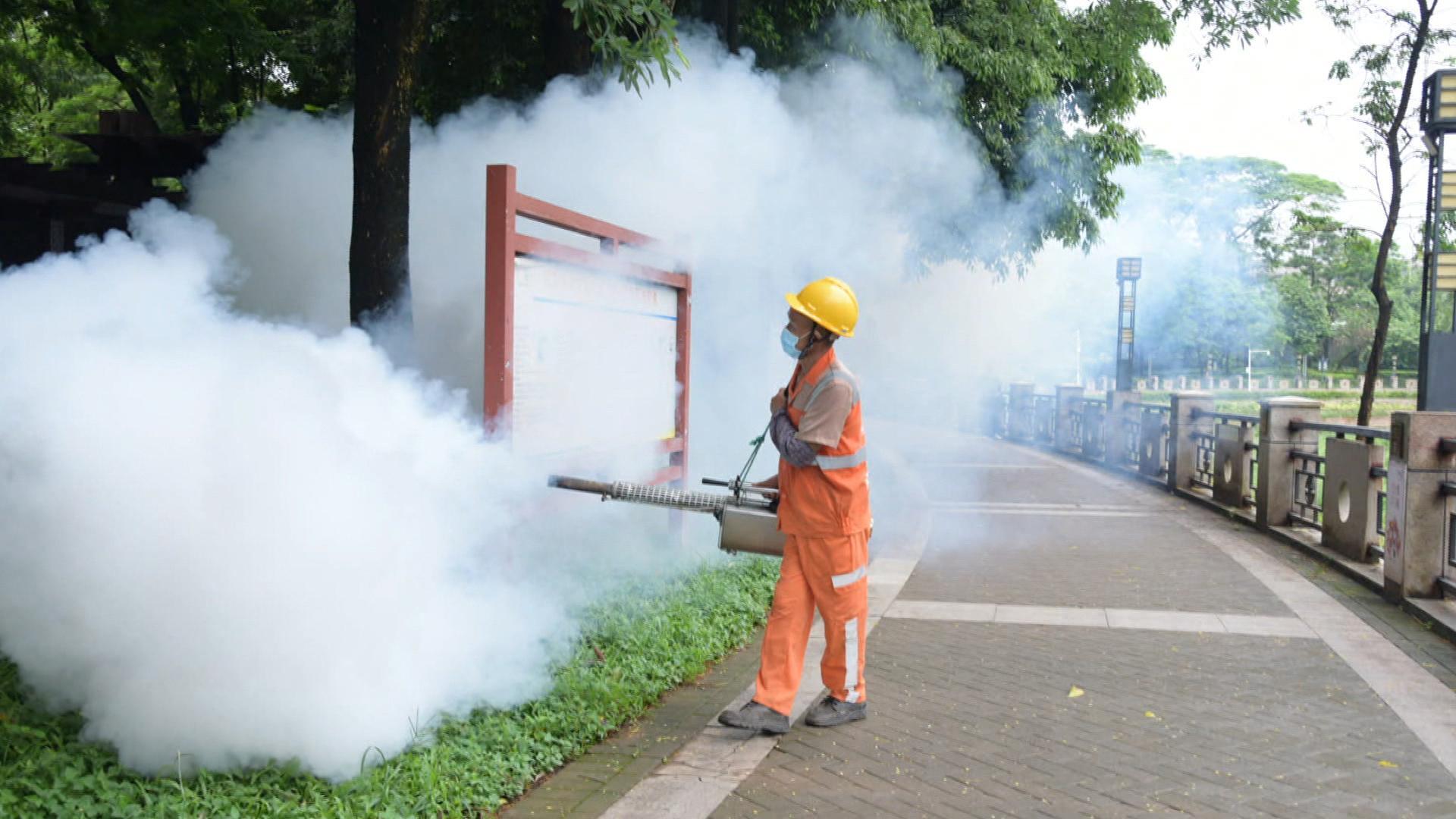
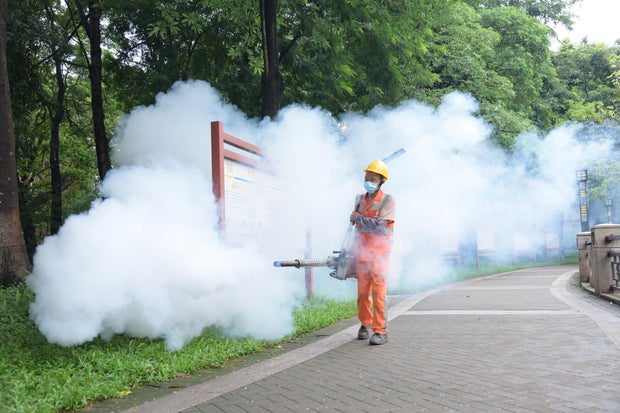
Chinese health authorities have implemented sweeping anti-mosquito campaigns throughout Southern China in response to the outbreak. These measures include mass disinfection, intensive mosquito control programs, heightened surveillance, and potential fines for failing to eliminate standing water.
Drawing upon lessons learned from previous disease outbreaks like SARS (2003) and COVID-19, Chinese doctors have enforced isolation protocols, mandating that infected patients remain hospitalized for at least seven days to contain transmission.
Internationally, the CDC continues to monitor and report chikungunya activity worldwide, with travel alerts currently in place for countries such as Bolivia, Kenya, Madagascar, and Sri Lanka. According to the Pan American Health Organization (PAHO), cases of chikungunya have quadrupled globally in the past decade, likely driven by climate change, increased urbanization, and the expansion of Aedes mosquito habitats.
Vaccine Availability and Treatment
There is currently no specific antiviral treatment for chikungunya. Supportive care, such as rest, hydration, and pain relievers, is recommended. However, in late 2023, the world’s first chikungunya vaccine—BCHIKV—developed by Valneva, was approved for use in the United States and Europe. The CDC recommends vaccination for individuals at increased risk of severe disease and for those traveling to affected regions where the vaccine is locally available.
Impact on Travel and Business
With international travel rebounding following the easing of pandemic restrictions, the chikungunya outbreak in southern China is a timely reminder of the persistent risks posed by vector-borne diseases. The event also raises concerns for businesses with personnel or facilities in the region, highlighting the need for up-to-date travel health planning and emergency protocols.
Travelers are advised to monitor updates from the CDC, WHO, and China’s National Health Commission for the latest advisories. Airlines, hotels, and tour operators may introduce special policies or cancellation waivers for travelers affected by the outbreak.
Looking Ahead
While Chinese officials describe the situation as “preventable, treatable, and controllable,” the outbreak underscores the growing challenges of managing infectious diseases in a changing global climate. Enhanced international cooperation, timely communication, and public health preparedness remain crucial in curbing the spread of mosquito-borne illnesses.
For now, personal vigilance and community action remain the best defenses for those traveling in or living near outbreak zones.


