
Letitia James Accuses Donald Trump of ‘Weaponizing’ US Justice System After Indictment
Date: October 10, 2025
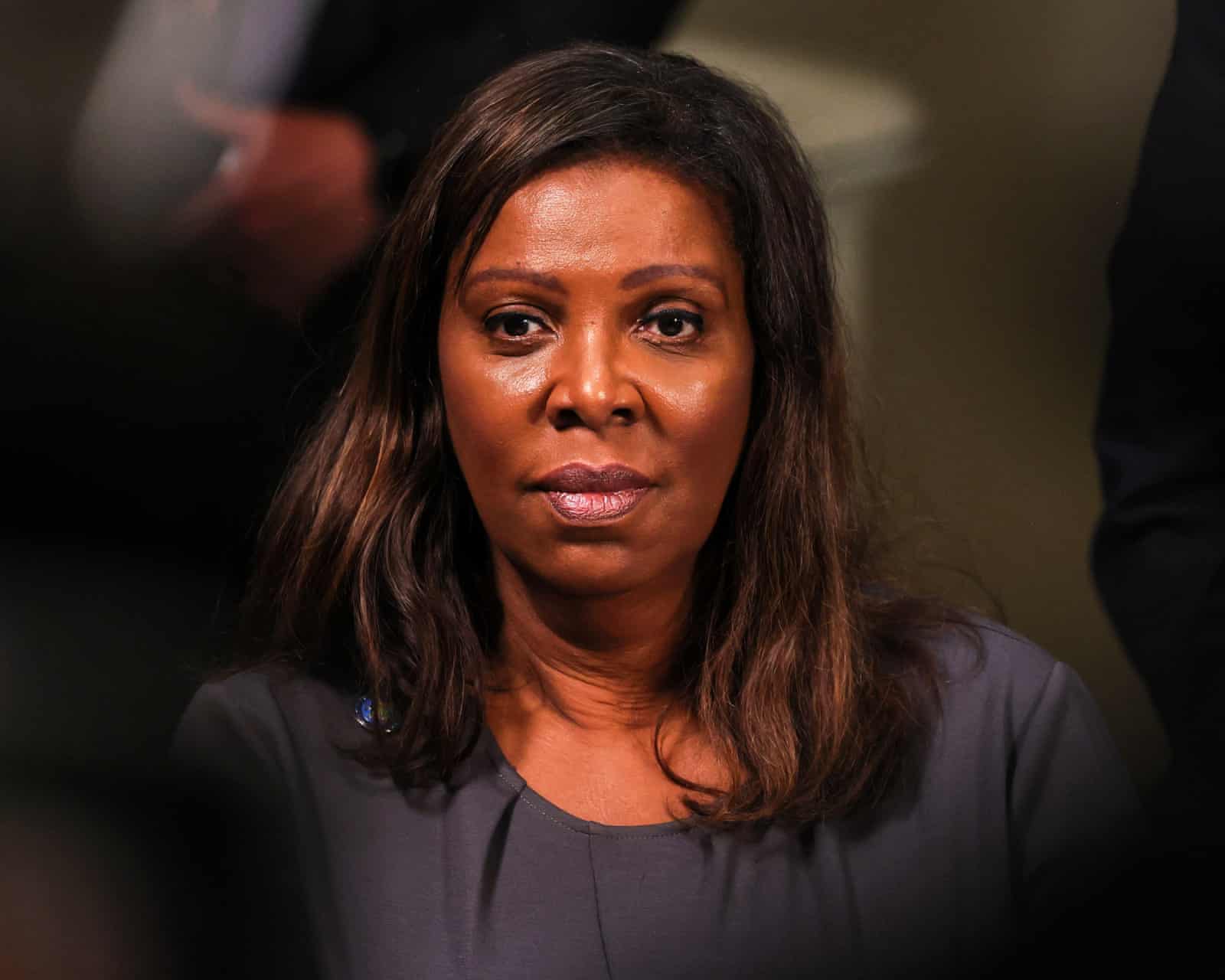
Federal Grand Jury Indicts Letitia James
In a dramatic escalation of the already tense political climate in the United States, New York Attorney General Letitia James was indicted by a federal grand jury on charges of bank fraud. According to sources familiar with the case, Lindsey Halligan, the U.S. attorney for the Eastern District of Virginia, personally presented the case to the grand jury—a move considered highly unorthodox for a federal prosecutor.
The indictment comes on the heels of James’s successful 2023 civil fraud lawsuit against former President Donald Trump and his business empire—a case that initially resulted in a $500 million judgment (later overturned on appeal). Many political observers interpret the criminal charges as direct retaliation for her legal pursuit of Trump, casting a long shadow over the independence of prosecutorial decision-making in Washington, D.C.
Letitia James Denounces ‘Political Retribution’
Responding swiftly and forcefully, James released a video statement on Thursday, denouncing the indictment as a continuation of what she described as President Trump’s “desperate weaponization” of the U.S. justice system. She directly accused Trump of manipulating federal law enforcement for personal and political gain, saying, “These charges are baseless, and the president’s own public statements make clear that his only goal is political retribution at any cost. The president’s actions are a grave violation of our constitutional order and have drawn sharp criticism from members of both parties.”
The news has triggered bipartisan outcry, with several Senate Democrats—most notably Senate Democratic Leader Chuck Schumer—labeling the charges “outrageous” and an abuse of prosecutorial powers. Schumer accused Trump of turning the Department of Justice into “personal attack dogs against their political enemies.” Representative Adam Schiff called the episode “exceedingly dangerous” and vowed that those targeted by the administration “will not be intimidated … We will stand up to this president.”
The Political and Legal Context
The events unfold against the backdrop of increasing politicization of the American justice system. Since Trump’s re-election in 2024, his administration has moved aggressively to install loyalists in key Justice Department posts. The appointment of Lindsey Halligan—reportedly due to Trump’s frustration with the slow pace of probes into his rivals—raises further questions about the independence of federal prosecutors. Halligan, in a public statement, maintained that “no one is above the law,” and insisted that the facts and legal standards for prosecution were clear.
This latest development is part of a larger national debate over executive authority, judicial independence, and the future of American democracy. Legal experts warn that the precedent of charging state officials whose duties cross paths with White House interests puts longstanding checks and balances at risk. Former federal prosecutor Joyce Vance commented, “This is the first time in modern U.S. history we’ve seen direct, criminal retaliation against a sitting state attorney general, which will have repercussions throughout all levels of government.”
Broader Implications and Parallel Legal Disputes
The indictment of Letitia James is only one piece of a rapidly shifting legal landscape in 2025. Across the country, federal courts are contending with constitutionally consequential lawsuits. In Illinois, a federal judge issued a temporary restraining order blocking the deployment of National Guard troops to Chicago, ruling that there was no credible evidence to justify military action there. Meanwhile, a similar case in San Francisco saw appellate judges appear poised to allow Trump’s controversial deployment of Oregon’s National Guard for crowd control in Portland. These disputes highlight the delicate balance between executive power and judicial oversight in the current environment.
At the same time, internal Department of Justice priorities have dramatically shifted: data released this week shows that nearly half of FBI agents in major field offices have been reassigned to immigration enforcement. This sweeping change has sparked fears of compromised public safety and under-resourced responses to organized crime, cyber threats, and terrorism. Civil rights organizations and former officials warn that the politicization of law enforcement assets could erode the FBI’s longstanding reputation for independence and effectiveness.
Reactions Across the Political Spectrum
The indictment has evoked strong responses from both sides of the aisle. While the White House insisted that the legal process was impartial and necessary, critics argue that the timing and context paint a picture of overt political interference.
Polling conducted by the Pew Research Center in summer 2025 reveals a sharp partisan divide: 78% of Democratic voters believe the charges against James are politically motivated, while 62% of Republican voters say they trust the administration to apply justice without bias. Independent analysts caution that trust in U.S. judicial institutions is at its lowest point in decades, with only 41% of Americans expressing confidence in the impartiality of the Justice Department—down from 67% a decade ago.
International observers, including the European Union and United Nations Human Rights Council, have also voiced concerns about the use of criminal prosecutions as political weapons. In a joint statement, EU foreign affairs chief Josep Borrell called on the U.S. to “reaffirm its commitment to judicial independence and transparent legal processes.”
What Comes Next?
The legal fate of Letitia James now rests with the courts. She is expected to appear in federal court in Virginia later this month, with significant media attention anticipated both domestically and abroad. Experts anticipate a fierce legal contest that could drag on for months, if not years, setting potentially far-reaching precedents about executive authority, states’ rights, and the boundaries of lawful prosecution.
Meanwhile, the politicization of the justice system stands as a central theme in the lead-up to the 2026 midterm elections. Calls have grown louder for congressional investigations and the appointment of special counsels to review recent prosecutorial decisions. For Letitia James—and the wider American public—the outcome of this case may shape not only the legacy of the current White House, but also the fundamental contours of American democracy for years to come.


