
Trump Threatens Federal Takeover of U.S. Cities, Raising Legal and Political Stakes
By Jenna Benchetrit
CBC News — Published: July 16, 2025
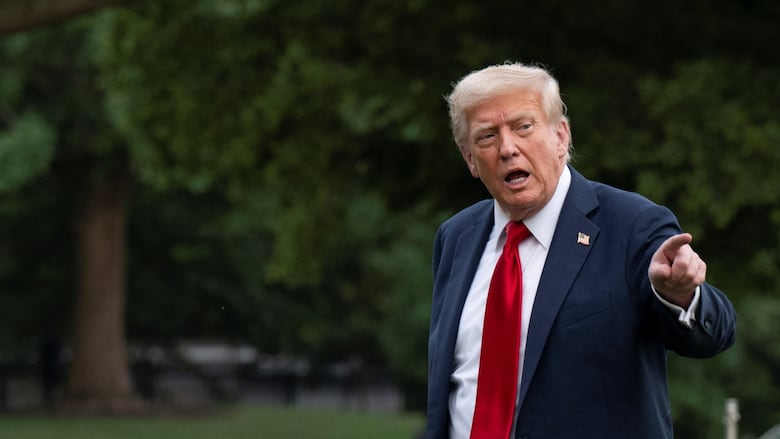
In recent weeks, U.S. President Donald Trump has intensified his ongoing feud with Democratic strongholds like New York City and Washington, D.C., suggesting he might leverage the powers of the presidency to impose federal control over their governance. The implications of these statements have set off a firestorm of debate among legal experts, city officials, and political observers, raising urgent questions about the limits of presidential power, federalism, and the American constitutional system.
The Roots of Federal-City Conflict
President Trump’s remarks came amid a high-profile campaign to crack down on undocumented immigration and rising concerns—often disputed by local officials—about violent crime rates in major urban centers. In a cabinet meeting earlier this month, Trump stated, “We’re thinking about doing it, to be honest with you. We want a capital that’s run flawlessly,” referencing the possibility of direct federal oversight or management of Washington, D.C.
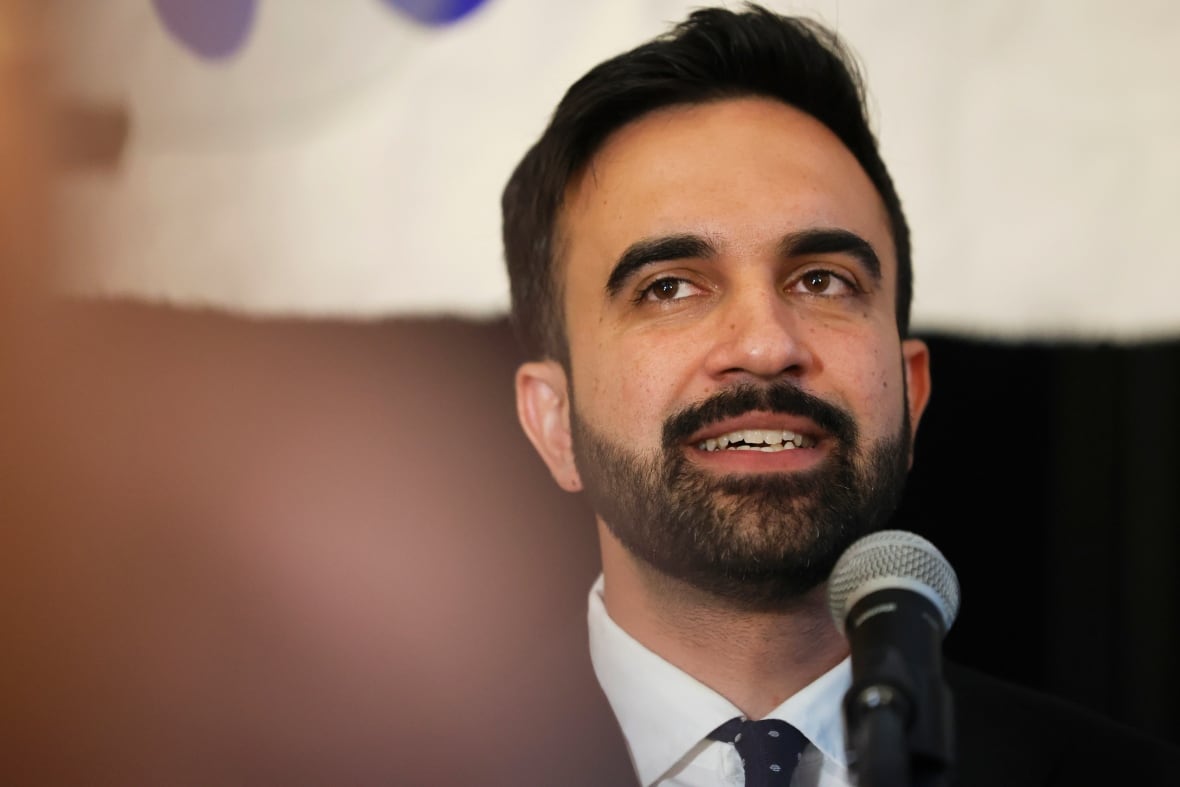
His warnings have also targeted New York City, specifically referencing mayoral candidate Zohran Mamdani, a progressive Democrat whom Trump called a “disaster” for the city. “Maybe we’re going to have to straighten it out from Washington,” Trump said at a political event, referencing his intention to intervene if the city’s leadership does not align with his priorities.
Constitutional Limits: What Can the President Actually Do?
Despite political posturing, significant legal and constitutional constraints limit the federal government’s authority over municipal and state governments. According to David Schleicher, professor at Yale Law School, “The Supreme Court has, for decades, made it clear that the federal government cannot commandeer state or local governments.” This is enshrined in the 10th Amendment, which reserves powers not delegated to the federal government to the states or the people.
Therefore, while the president can deploy federal agencies to enforce federal laws, the removal or replacement of a city’s mayor or direct management of city administration lies far beyond presidential reach. “If what Trump means is, remove the mayor and replace him with Rudy Giuliani or someone else, that is not within his authority,” Schleicher clarified.
Direct versus Indirect Federal Pressure
Although a legal takeover is out of reach, the president wields other means to influence city governance. During his first term, Trump threatened to withhold federal funding from ‘sanctuary cities’ and deployed federal law enforcement officers in response to protests. In the current fiscal year, New York City expects $7.4 billion USD in federal funding, giving the White House potential economic leverage—though courts have repeatedly pushed back against using funding as a political weapon.
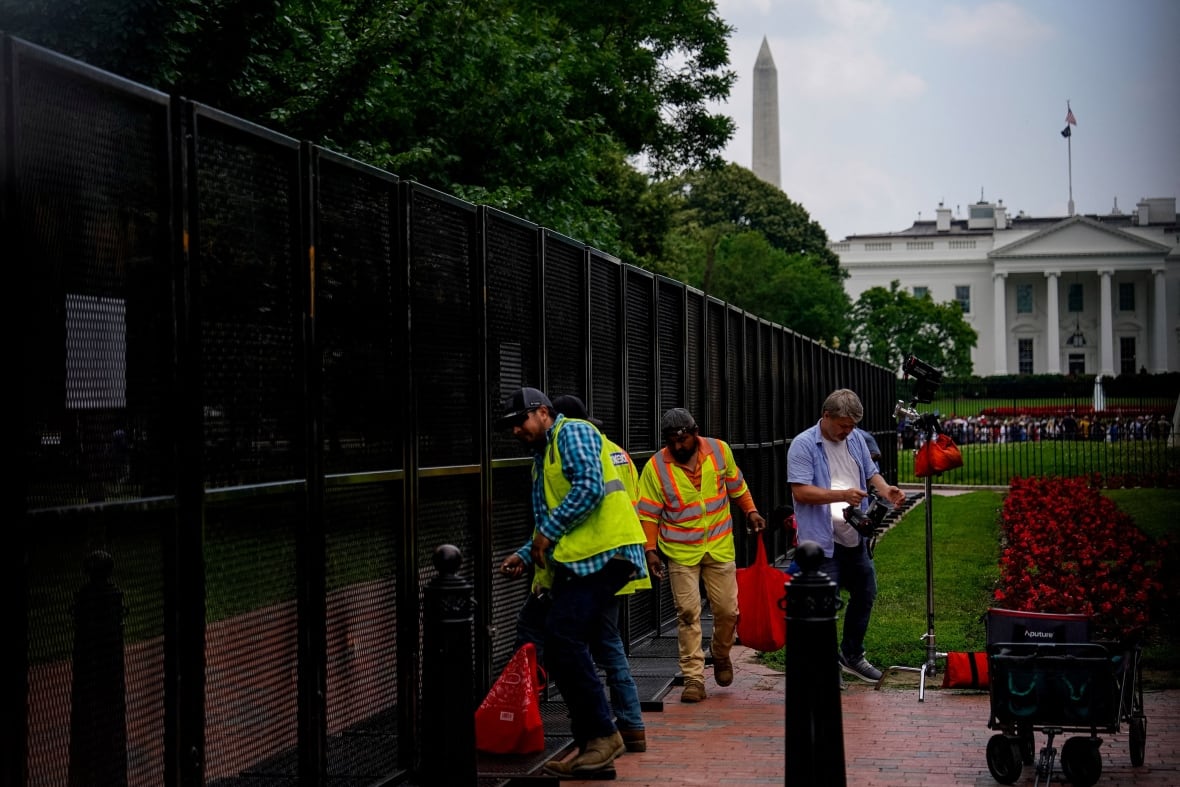
Philip Wallach, senior fellow at the conservative American Enterprise Institute, noted: “The federal government can, and has, sent law enforcement or other agencies to cities under many pretexts—public safety being a chief one.”
Washington, D.C.: A Special Case
Unlike cities located in U.S. states, Washington, D.C.’s unique constitutional status as a federal district gives the White House and Congress considerable sway. The Home Rule Act of 1973 granted D.C. limited self-government, but Congress retains oversight over the city’s budget and legislative process, and the president appoints key officials, including district judges.
Vanessa Batters-Thompson, executive director of the D.C. Appleseed Center for Law and Justice, explained, “D.C. residents do not enjoy the same protections as those in states. The city has historically been subject to federal interventions, including financial control boards and even direct management by Congress.”
The Leverage of Federal Funds and Agencies
For both New York and D.C., federal grants and partnerships play a crucial role in municipal budgets. Legal precedent, however, restricts the federal government from making unrelated federal funding contingent on unrelated political demands. Still, the threat alone can have a chilling effect on local decision-making. In 2024 and 2025, New York has faced pressure in areas from housing grants to law enforcement assistance, with the administration’s stance often hinging on broader immigration and policing policies.
Additionally, federal agencies—such as Immigration and Customs Enforcement (ICE) and the National Guard—remain tools that presidents have used to intervene in local matters, especially in the name of national security or civil unrest. The legality of such interventions, especially when they escalate into sustained presence or policy direction, has repeatedly sparked legal battles across U.S. courts.
Political Motivations: The Trump Strategy
Beneath the legal and procedural considerations is a broader political strategy. Targeting urban areas with progressive leadership—often at odds with federal policy—not only mobilizes Trump’s conservative base but frames the 2025 political battleground as a conflict pitting “law and order” against what he characterizes as mismanagement by Democratic officials.
Domingo Morel, professor at New York University, noted, “This is not the first era where Republicans have clashed with urban Democrats, but Trump’s threats mark an escalation, shifting the fight from state capitals to the White House.” The action-reaction dynamic is expected to intensify as New York’s mayoral election—featuring Mamdani—and federal immigration enforcement remain in the headlines.
Broader Implications for Federalism
Legal experts and civil rights activists warn that such confrontations test the balance of American federalism. While few anticipate a literal federal takeover of a city like New York, repeated threats and experiments with fiscal or law enforcement pressure risk undermining norms of local governance and democratic accountability.
For D.C., the conversation is even more urgent. With congressional gridlock, the city’s lack of voting representation—an ongoing source of activism—and historical precedents of federal control, any aggressive action by the White House would reopen old wounds and amplify calls for statehood.
Looking Forward
As the 2026 federal budget looms and immigration debates dominate the national stage, municipal leaders across the U.S. brace for heightened tensions with federal authorities. “This is the high-wire act of American democracy,” said Batters-Thompson. “If we stray too far from underlying constitutional protections, local autonomy everywhere is at risk.”
While President Trump’s statements may be more about political theater than imminent coups, city governments, legal scholars, and activists will be watching closely to see just how far the administration is willing—and able—to go.
About the Author

Jenna Benchetrit is a senior business writer for CBC News covering economic and political issues in Canada and the U.S.


