
Trump’s Reciprocal Tariffs Could Be Struck Down as Soon as This Month — and the Administration Is Warning of Economic Apocalypse
By Jason Ma | August 16, 2025
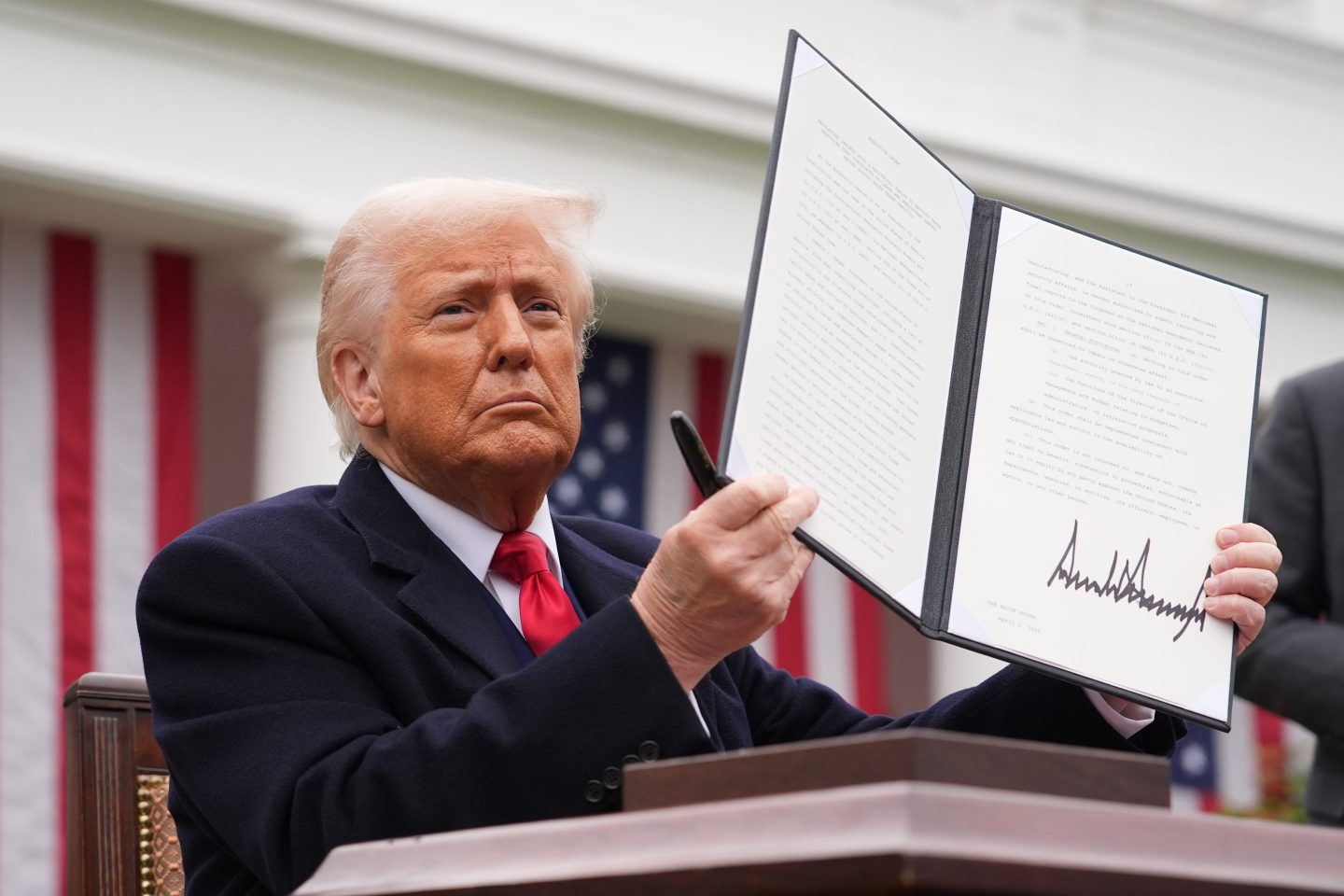
A high-stakes legal battle in the U.S. Court of Appeals could soon upend the Trump administration’s sweeping use of reciprocal tariffs, a move that White House officials warn would have dire consequences for the American economy. At the heart of the dispute is President Trump’s aggressive use of executive powers under the International Emergency Economic Powers Act (IEEPA) to impose hundreds of billions of dollars in tariffs on goods from China, Japan, India, and other major trade partners.
The Legal Challenge: Limits on Presidential Tariff Powers
Earlier this summer, a coalition of importers and multinational corporations launched a legal challenge against the White House, arguing that the IEEPA was never intended to authorize across-the-board tariff increases on imported goods under the premise of “reciprocity.” The plaintiffs contend that Trump’s recent tariffs — which targeted over $250 billion in annual imports — exceed the legal limits of presidential emergency powers, and constitute an unconstitutional delegation of Congressional authority over trade.
The stakes are enormous. The Trump administration has deployed tariffs not only as a trade negotiation tool but also to influence global supply chains and domestic economic priorities. The tariffs, which have been imposed in waves since 2025, include duties as high as 60% on select categories of goods from strategic rivals as well as traditional allies. Tariff revenue for fiscal year 2025 is projected to reach a record $130 billion, up from $88 billion just two years ago, according to U.S. Treasury data.
Economic Risks: White House Warns of “Ruinous Consequences”
In court filings and public remarks, administration officials argue that striking down the president’s authority to set reciprocal tariffs would undermine the United States’ bargaining position in ongoing trade disputes with China, the European Union, and a host of Asian nations. A Justice Department brief warned of an “economic apocalypse,” suggesting that rescinding these powers could:
- Destabilize U.S. markets: Stock market volatility could surge as companies and investors try to assess the new trade landscape.
- Disrupt supply chains: Many manufacturers have adapted logistics, sourcing, and production decisions based on the current tariff regime.
- Weaken job growth: Domestic industries protected by tariffs could shed jobs or face bankruptcy if tariffs are suddenly removed.
“In short, the economic consequences would be ruinous, instead of unprecedented success,” the filing states, echoing President Trump’s “America Wealthy Again” mantra.
Industry and Global Response
Major business lobbies such as the U.S. Chamber of Commerce and the National Association of Manufacturers have taken a mixed stance. While some firms benefit from tariff protections, others — particularly in retail, automotive, and technology — face higher input costs, depressed profit margins, and unpredictable sourcing challenges. The Retail Industry Leaders Association warned that without a clear resolution, “uncertainty will persist for American businesses and consumers alike.”
International reaction has also been swift. China’s Ministry of Commerce called the tariffs “unjustified and unlawful,” vowing retaliation if U.S. policy continues. Recent months have seen tit-for-tat measures involving critical components, rare earth exports, and, most recently, agricultural commodities. The global trading system, already under strain from post-pandemic disruptions and rising geopolitical rivalries, faces renewed tests of stability.
The Politics Behind the Policy
With the 2026 midterm elections looming, tariffs have become a centerpiece of President Trump’s economic message. The White House has claimed that reciprocal tariffs are essential to correcting chronic trade deficits, reviving U.S. manufacturing, and protecting national security. Critics, including many Congressional Democrats and moderate Republicans, argue that the tariffs have backfired — raising consumer prices and fueling inflation, without substantially narrowing the deficit.
This political tension is playing out in Congress, where lawmakers are working on bipartisan bills to clarify — or curtail — presidential authority over trade. Several leading senators have called for a “return to Congressional oversight of tariff policy,” hoping to avoid abrupt policy swings with every change in administration.
What’s at Stake for the U.S. Economy?
At least $2 trillion in annual U.S. imports are directly impacted by these reciprocal tariffs or threatened duties, according to the Peterson Institute for International Economics. In key sectors including electronics, machinery, steel, and agriculture, price increases have cascaded through supply chains, contributing to a consumer inflation rate that has hovered near 4% for much of 2025 despite Federal Reserve interventions.
Some U.S. sectors have benefited — notably steel and aluminum, which have seen job gains and investment infusions since 2022 as a result of sustained tariff protection. But for every winner, there are losers. U.S. exporters, especially in the heartland, have faced retaliatory tariffs from China and other markets, with soybean and pork exports down 16% since last year, according to USDA data.
Wall Street has responded with caution. JPMorgan Chase, in a recent investor note, downgraded the U.S. manufacturing outlook for late 2025, citing “growing legal and political uncertainty” around the tariff regime. The S&P 500 has seen increased volatility, with industrial and multinational stocks under particular pressure.
What Happens Next?
The Court of Appeals decision could come as soon as the end of August. Legal experts predict a complex outcome: the court may rule that the IEEPA does not grant open-ended tariff authority, but could allow for some targeted use in bona fide emergencies. Regardless of the outcome, the Supreme Court is widely expected to have the final say, given the issue’s constitutional significance and economic stakes.
For American businesses and consumers, the next few weeks could bring the most significant shake-up of U.S. trade policy in a generation. With inflation pressures lingering, global growth slowing, and geopolitical tensions high, the resolution of this legal contest is likely to reverberate well beyond American shores.


